Is Italy Really Too Hot for a Summer Destination Wedding?
Is Italy Really Too Hot for a Summer Destination Wedding?
Getting married in Italy in July/August
One of the most common concerns we hear from couples planning a destination wedding in Italy is the weather.
Many couples are afraid that July and August will be too hot, so they choose months like April, early May, late October, or even November. After photographing more than 1,000 weddings across Tuscany, Umbria, and other parts of Italy, we often see the opposite problem: cold evenings, rain, and outdoor plans moving indoors.
We believe that social media has recently created an exaggerated fear of summer temperatures in Italy. While hot days do happen, this narrative often fails to reflect the reality of destination weddings in Tuscany and Central Italy.
As local photographers, our role is to share what we see firsthand. After photographing more than 1,000 weddings, we have found that weather uncertainty, rain, and cool evenings are often a greater concern than summer heat. Our goal is simply to help couples make informed decisions based on real experience rather than online trends.
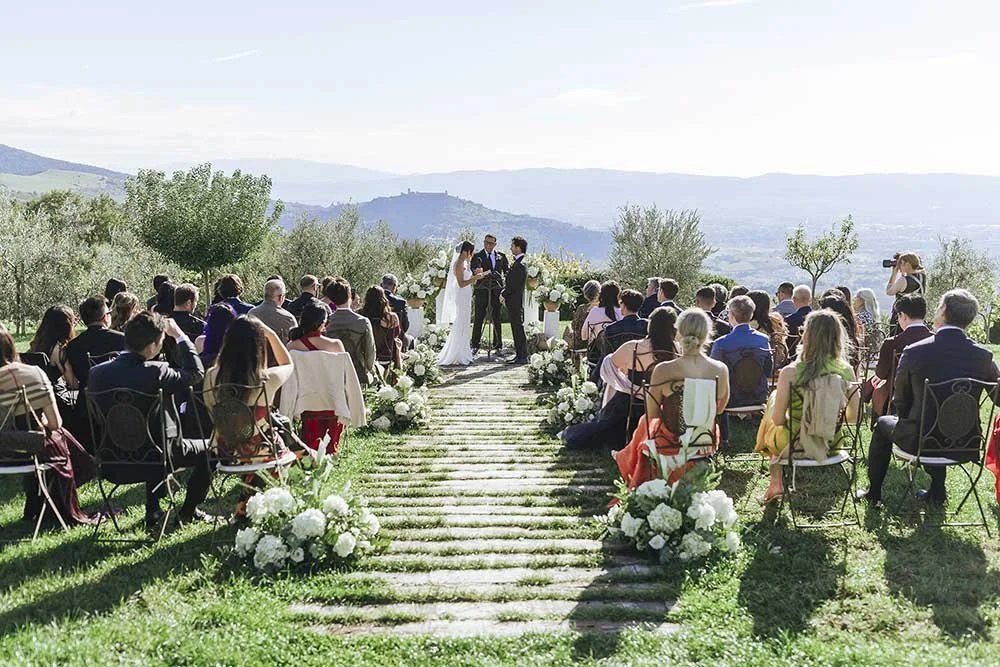
July weddings in Umbria
No shade? no early afternoon ceremonies!
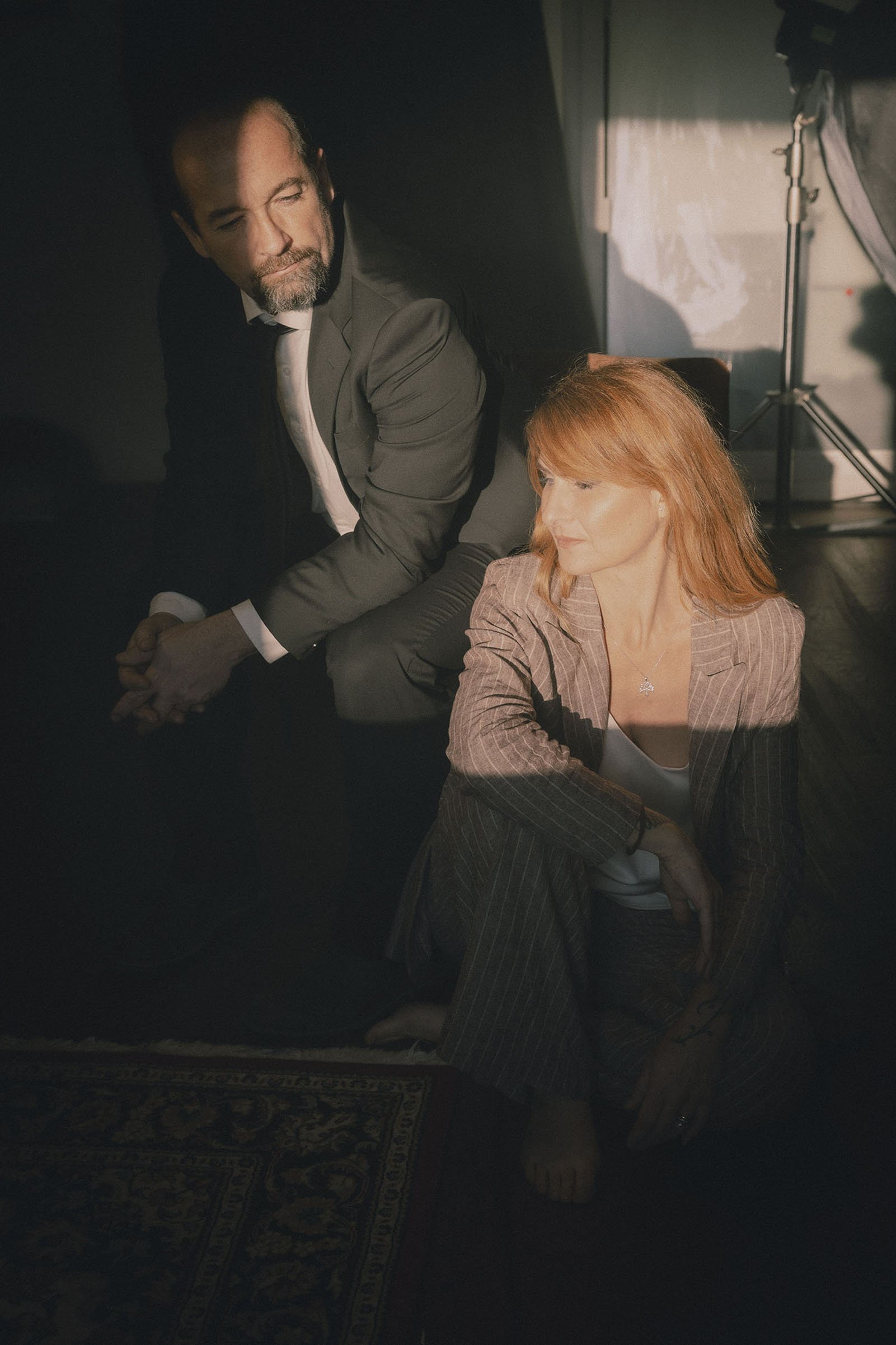
Maurizio and Serena, Rellini art studio
What We Have Seen After 1,000+ Weddings
Every time we have photographed weddings in Tuscany and Umbria during the summer, we noticed that the heat is rarely the real issue.
The biggest mistake is not choosing July or August. The biggest mistake is planning the ceremony too early in the day.
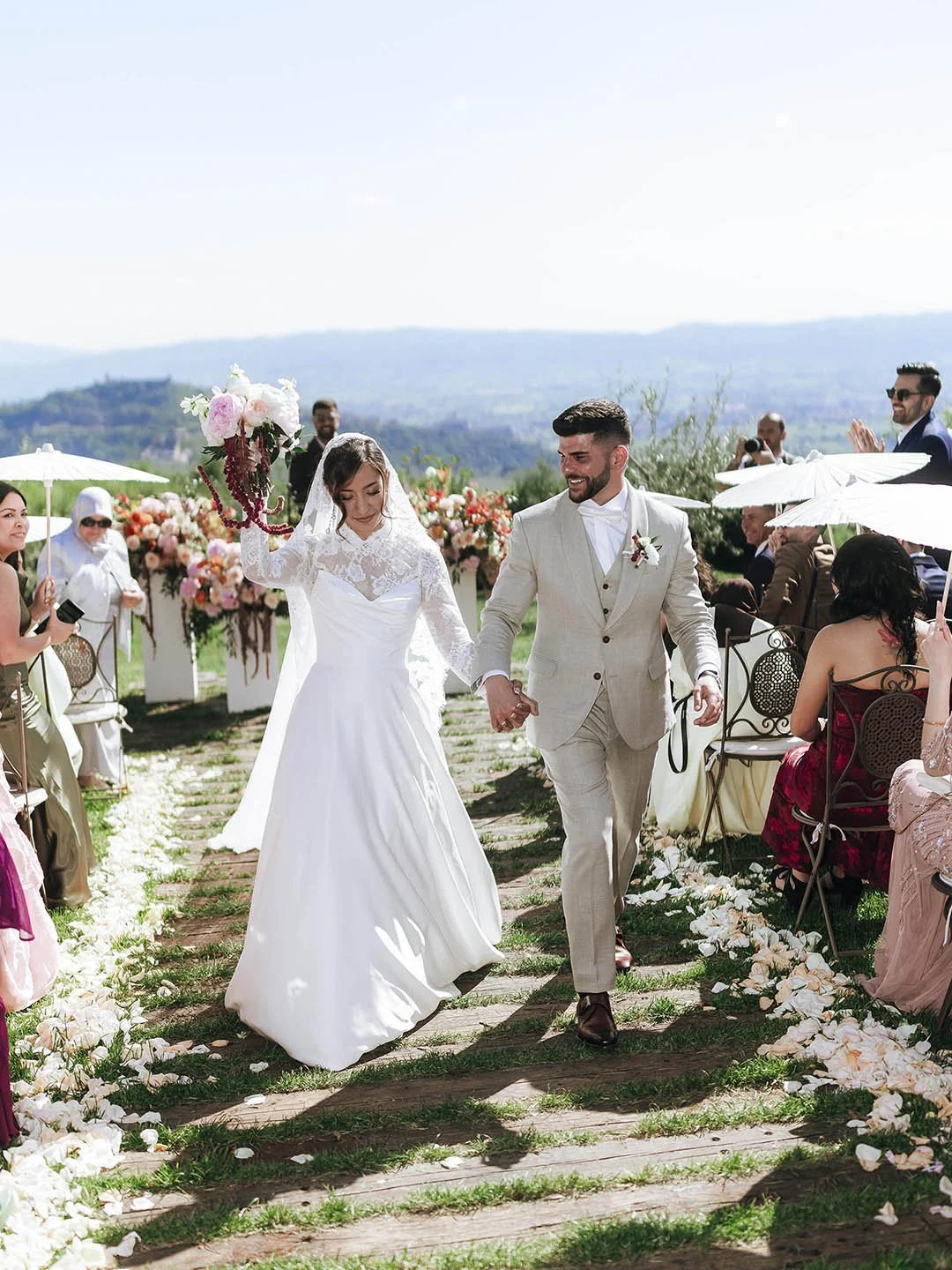
A ceremony at 2 PM in May can feel much hotter and less comfortable than a ceremony at 6 PM in July.
Most destination weddings in Italy are designed around the best part of the day:
Ceremony in the late afternoon
Aperitivo at sunset
Dinner after sunset
By the time guests sit down for dinner, temperatures are usually very pleasant.
Summer Temperatures Are Not Extreme
Average summer temperatures in Tuscany, Umbria, and the Amalfi Coast are generally around 29–31°C (84–88°F).
Many of our couples come from places where summer temperatures are even higher:
Texas
Florida
Arizona
Georgia
South Carolina
Compared to these areas, central Italy is often no hotter, especially during the late afternoon and evening when weddings actually take place.
Why Many Couples Regret Avoiding Summer
One thing we notice every year is that couples rarely complain about summer temperatures.
Instead, they are happy that they were able to enjoy:
Outdoor ceremonies
Sunset aperitivos
Long dinners under the stars
Garden receptions
Vineyard celebrations
The complaints we hear more often come from weddings held in colder or rainier months, when outdoor plans become difficult or impossible.
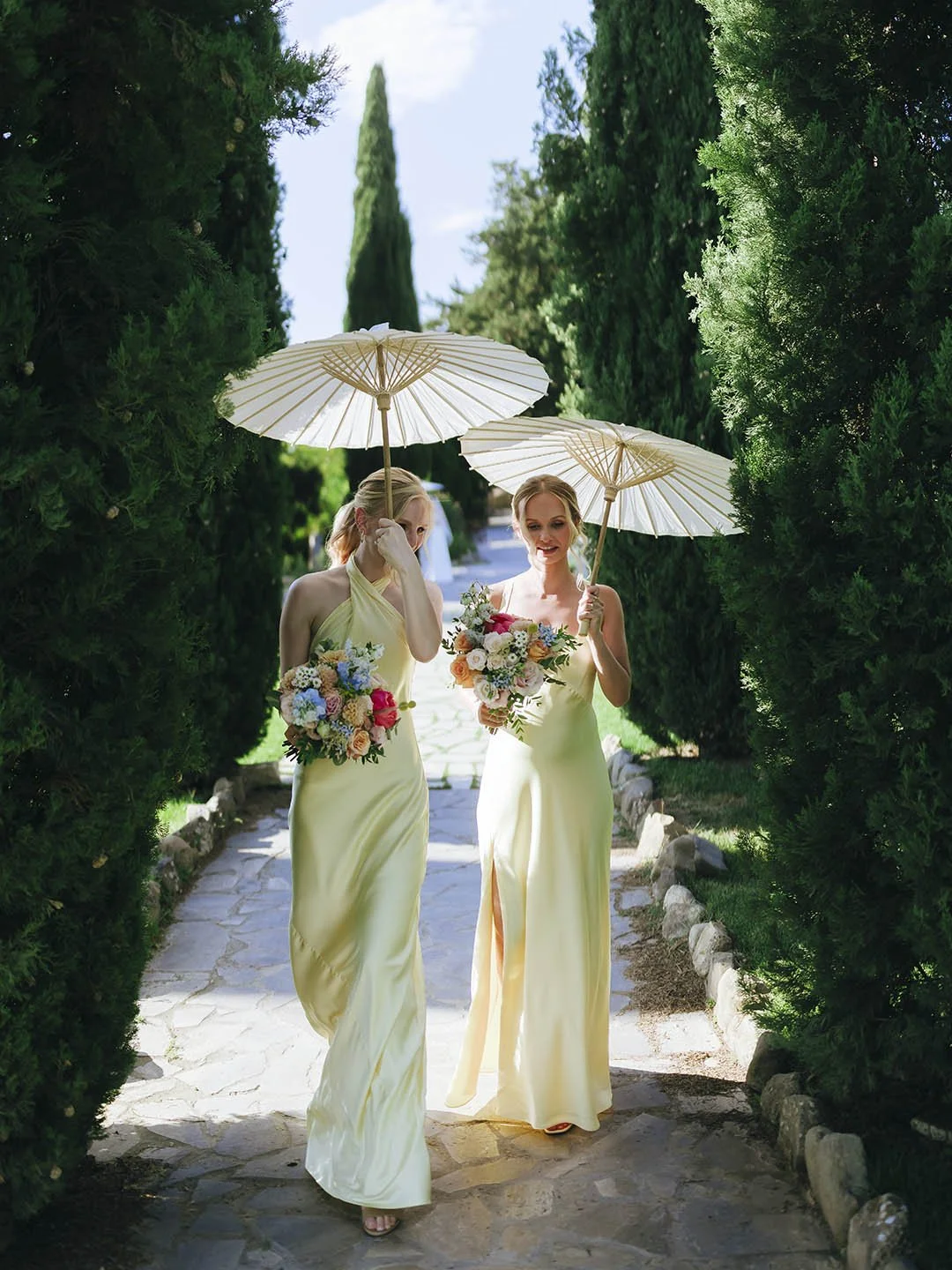
The Importance of Timing
When couples ask us about the best month for a destination wedding in Italy, our answer is always the same:
The timeline matters more than the month.
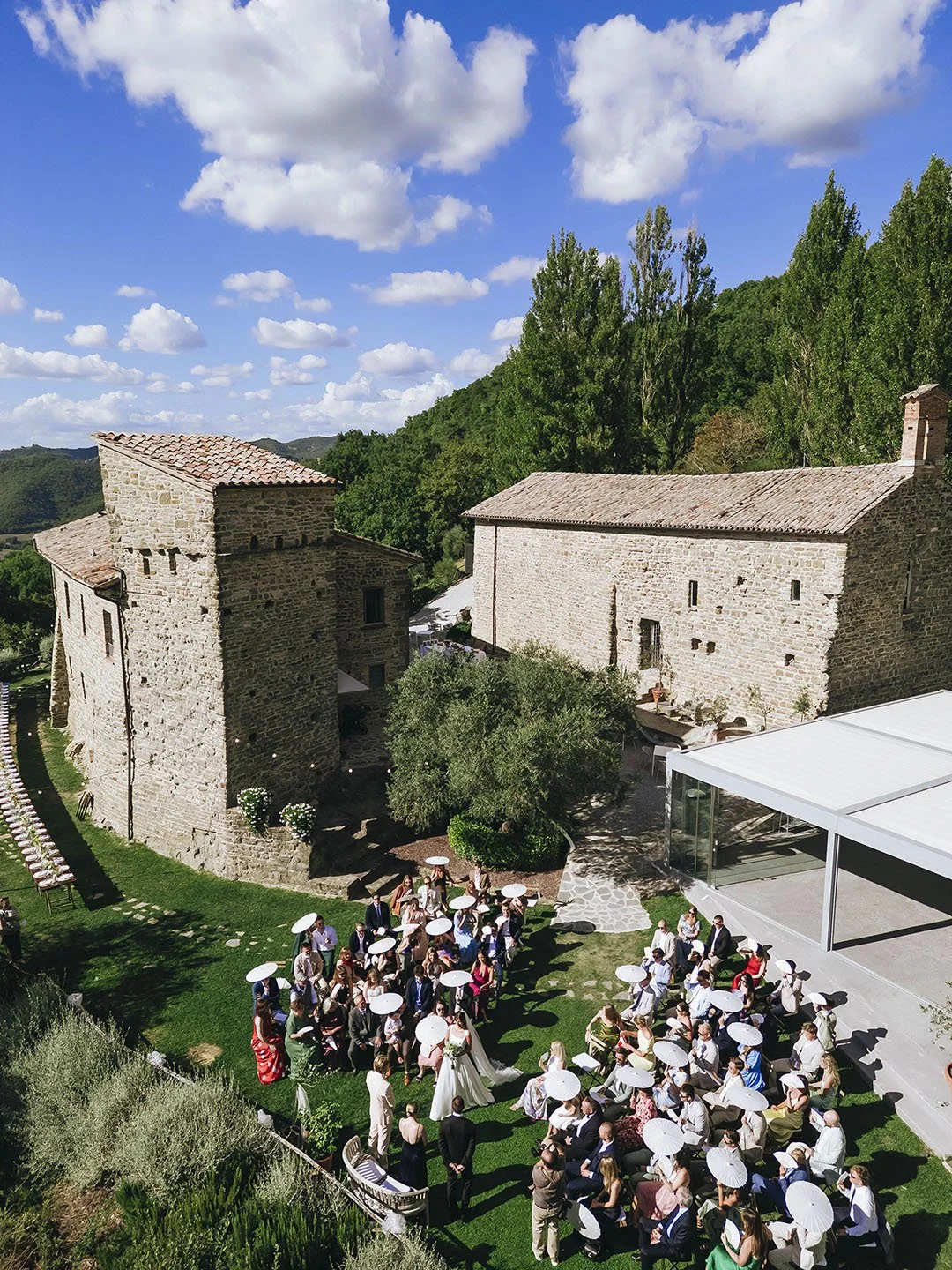
A well-planned wedding in July or August, with a ceremony starting around 5:30 PM or 6:00 PM, is usually much more comfortable than many people imagine.
As wedding photographers, we have spent years documenting celebrations in Tuscany and Umbria, and some of the most beautiful outdoor weddings we have ever photographed happened during the peak of summer.
Our Advice
“We have seen many couples in tears because a wet day ruined their dinner al fresco, we never saw a bride in tears because it was too sunshine and hot”
Don't choose your wedding date based only on the fear of heat. Think about the complete experience you want for your guests.
If your dream is an outdoor ceremony, sunset cocktails, dinner under the stars, and a celebration surrounded by vineyards and olive groves, summer in central Italy remains one of the most reliable and enjoyable times of the year for a destination wedding.
The Hidden Risk of Spring and Autumn Weddings in Italy
One thing we have noticed after photographing hundreds of weddings in Tuscany and Umbria is that couples often worry much more about heat than they do about rain.
In reality, the weddings that most often require a backup plan are usually those held in March, April, or October.
The challenge is not necessarily that these months are cold. The challenge is that the weather is much less predictable. We've seen beautiful sunny afternoons turn into chilly evenings, forcing guests to wear jackets during dinner, and we've seen outdoor plans moved indoors because of rain.
When planning a destination wedding, it's important to remember that dinner usually starts around sunset and continues for several hours. Even if the afternoon feels pleasant, temperatures can drop quickly once the sun goes down.
By contrast, summer weddings tend to offer warmer evenings, more stable weather, and a much better chance of enjoying everything that makes an Italian wedding special: sunset cocktails, long outdoor dinners, and celebrations under the stars.
From our experience, couples rarely tell us they wish it had been cooler. Much more often, they tell us how happy they were that they could spend the entire evening outdoors.
Plan Your Wedding Around Sunset, Not Around the Clock
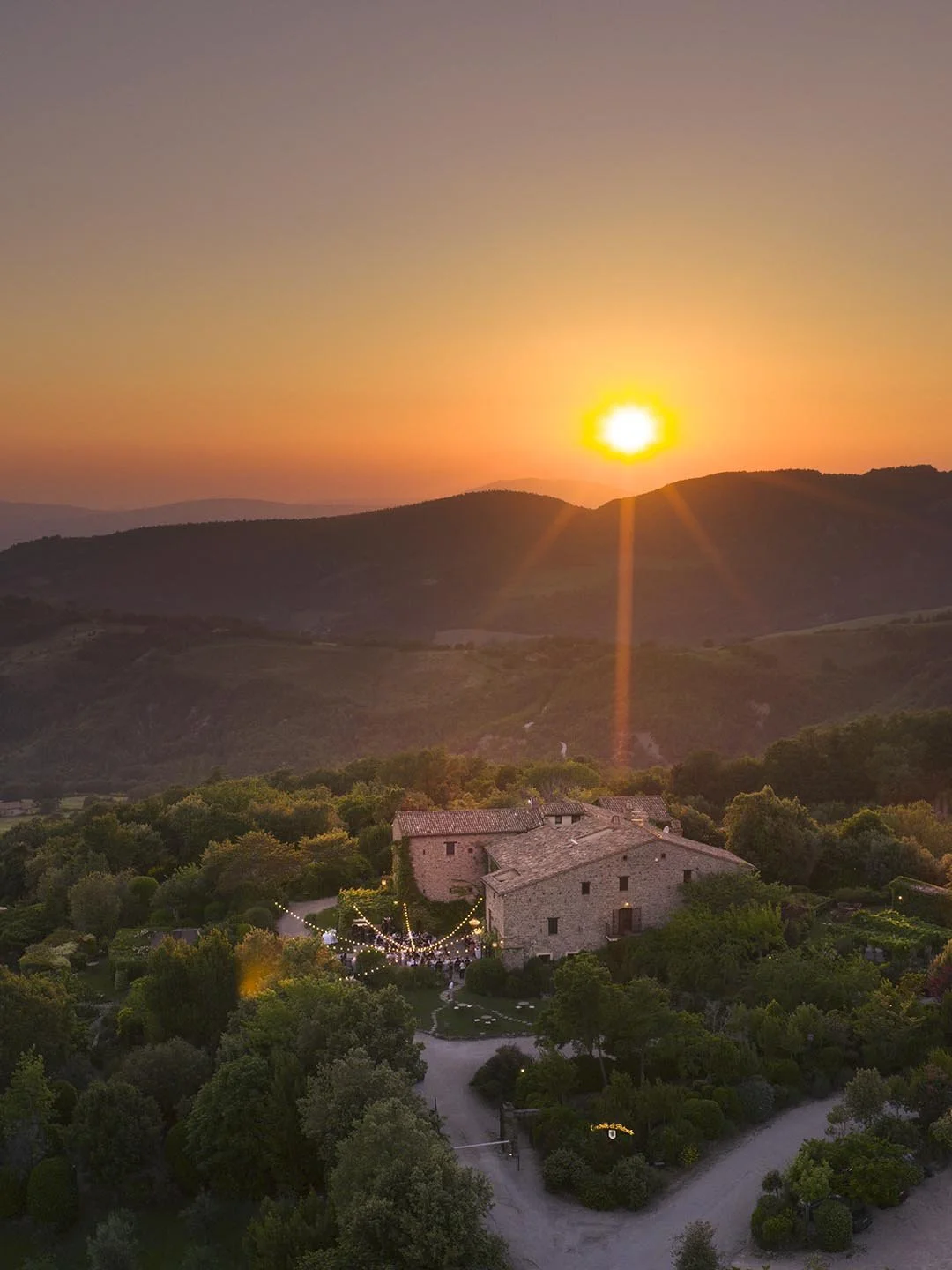
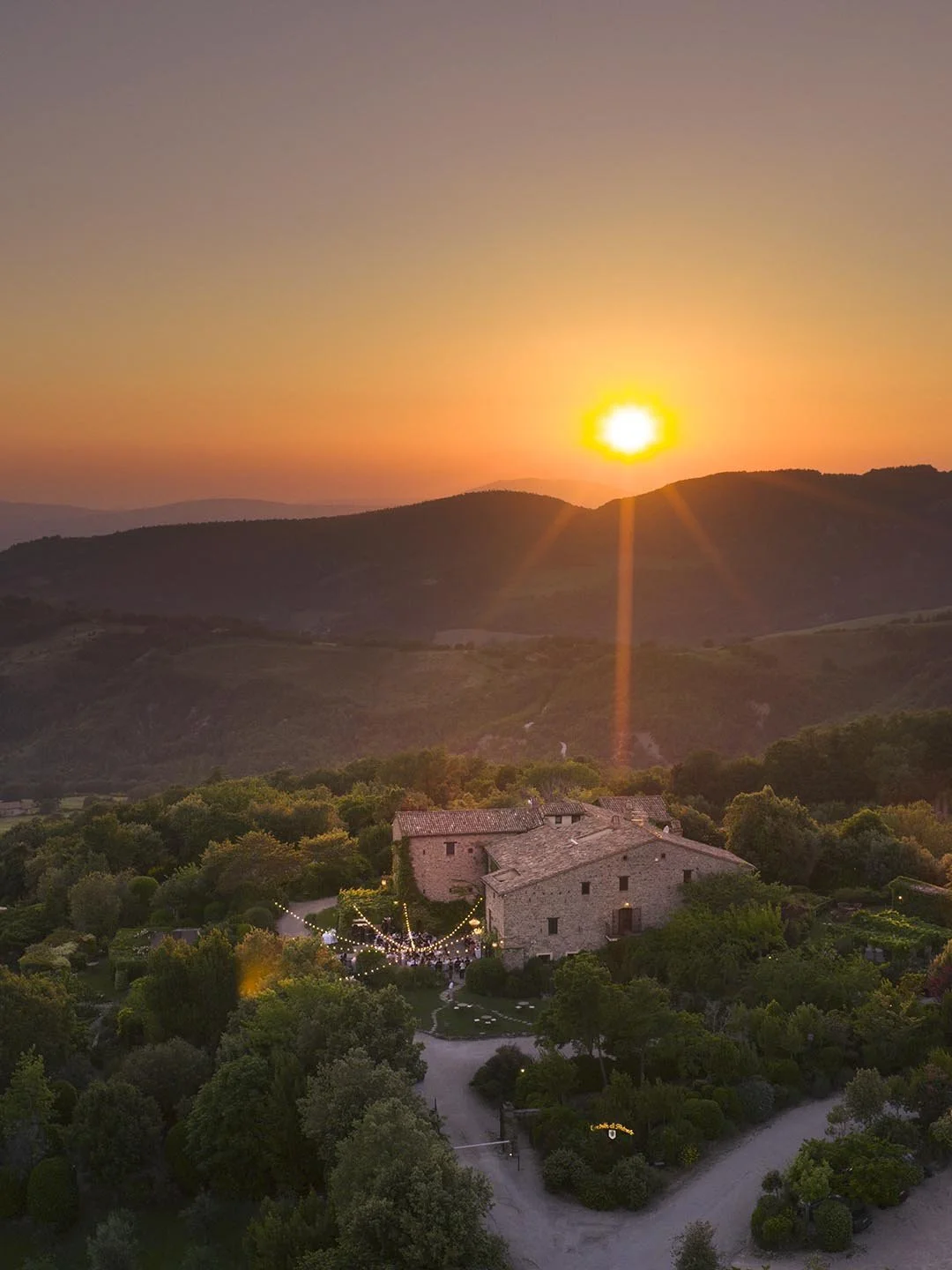
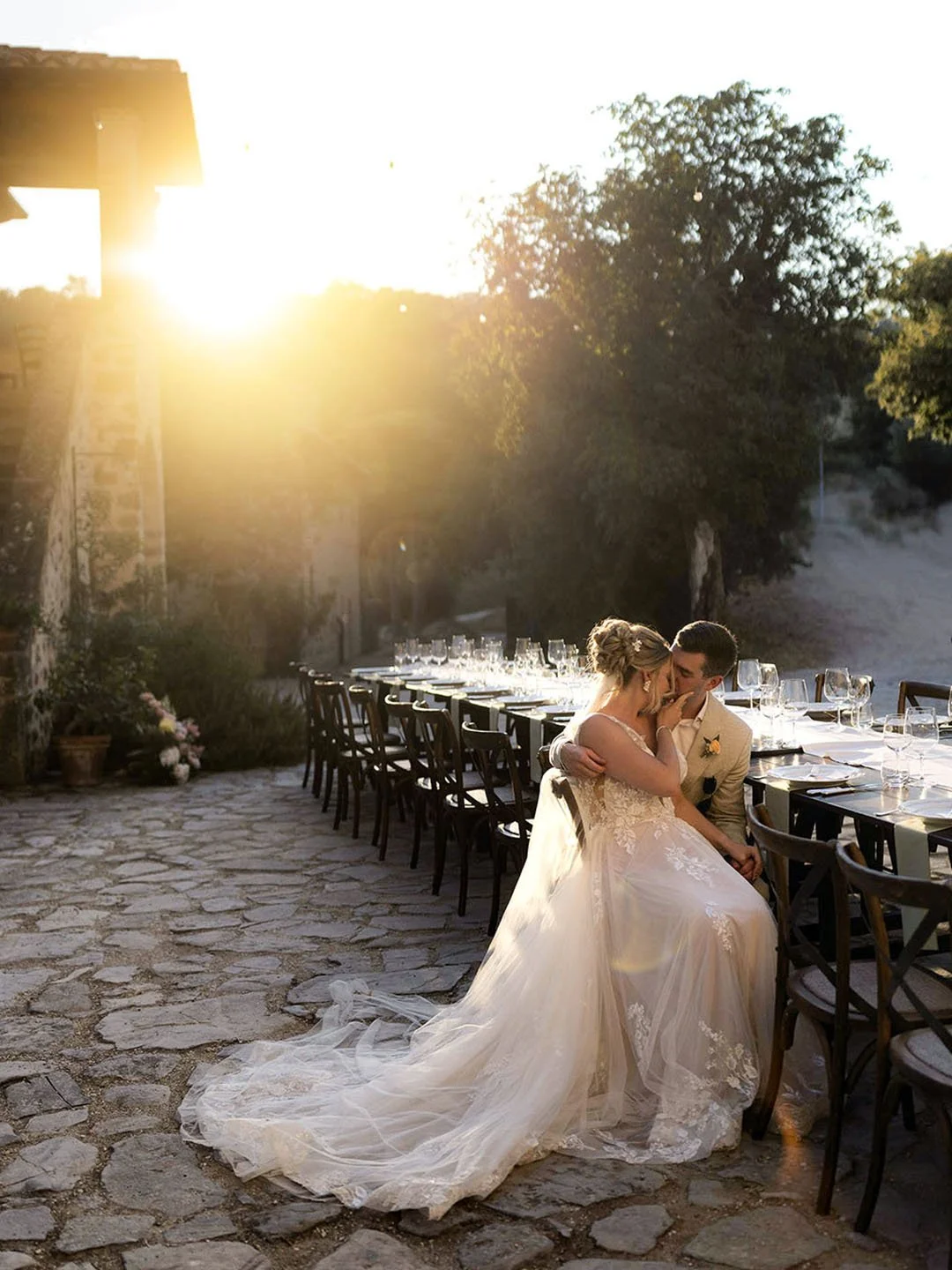
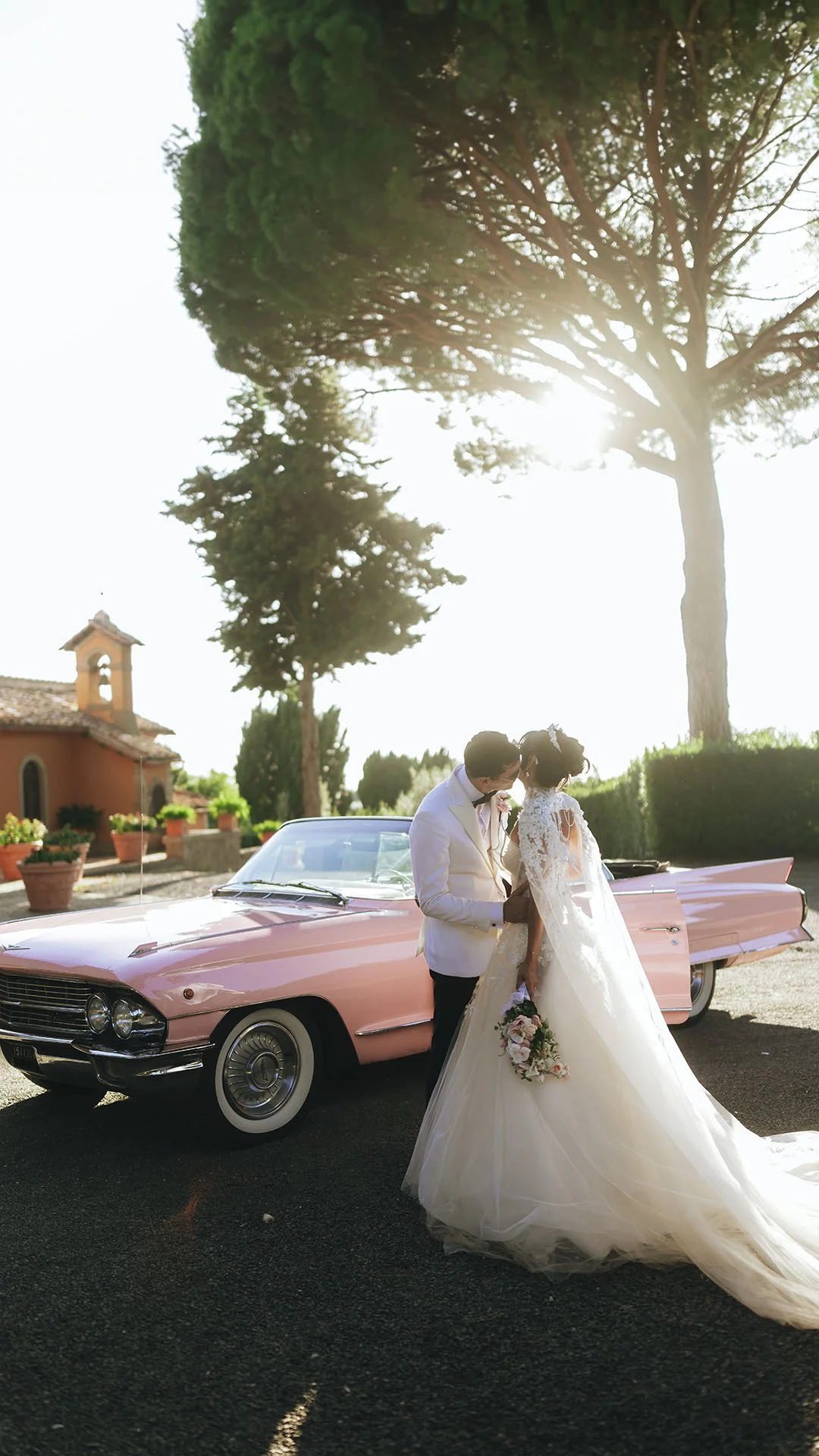
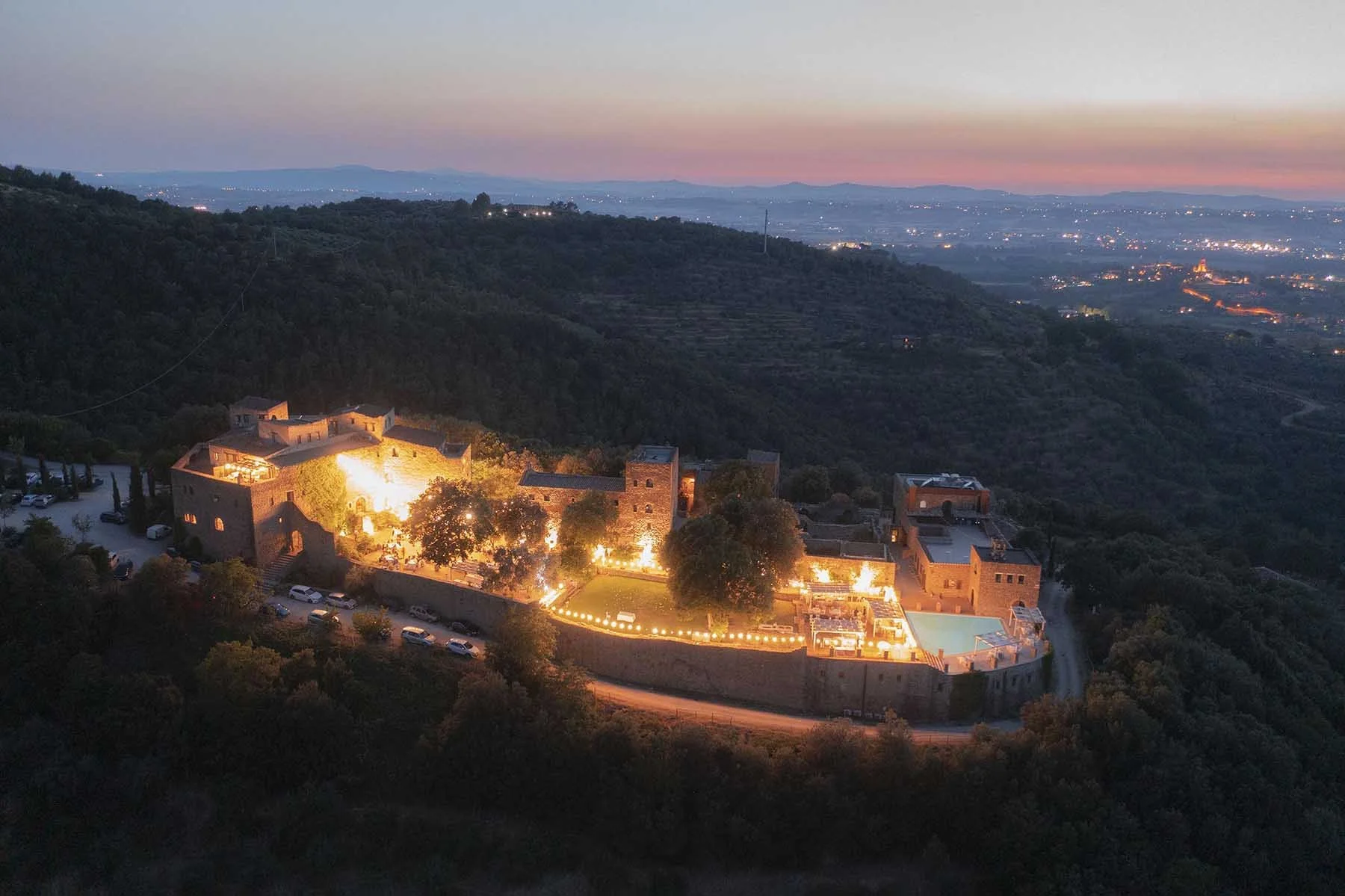
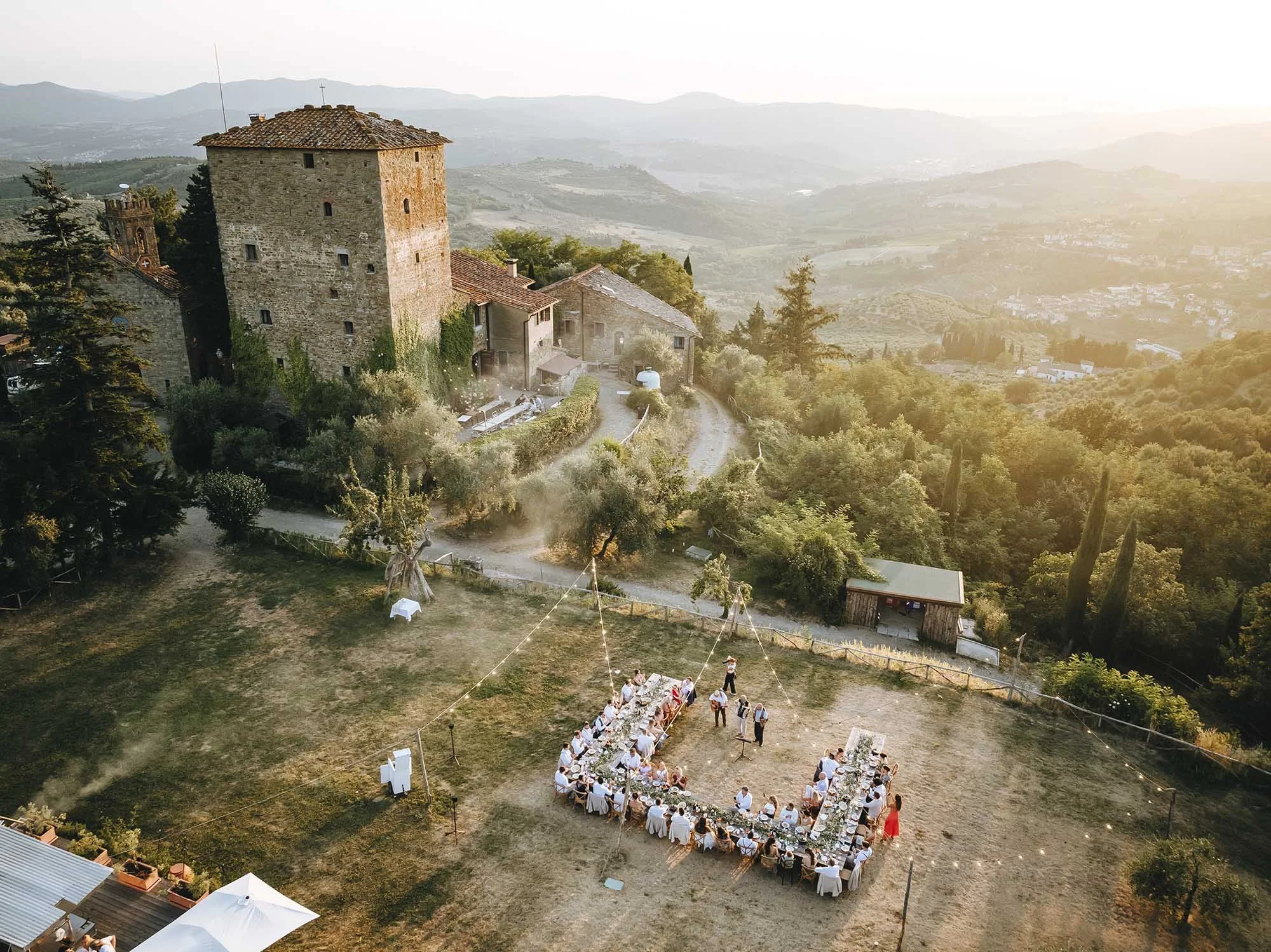
Sunset at Castello di Petrata
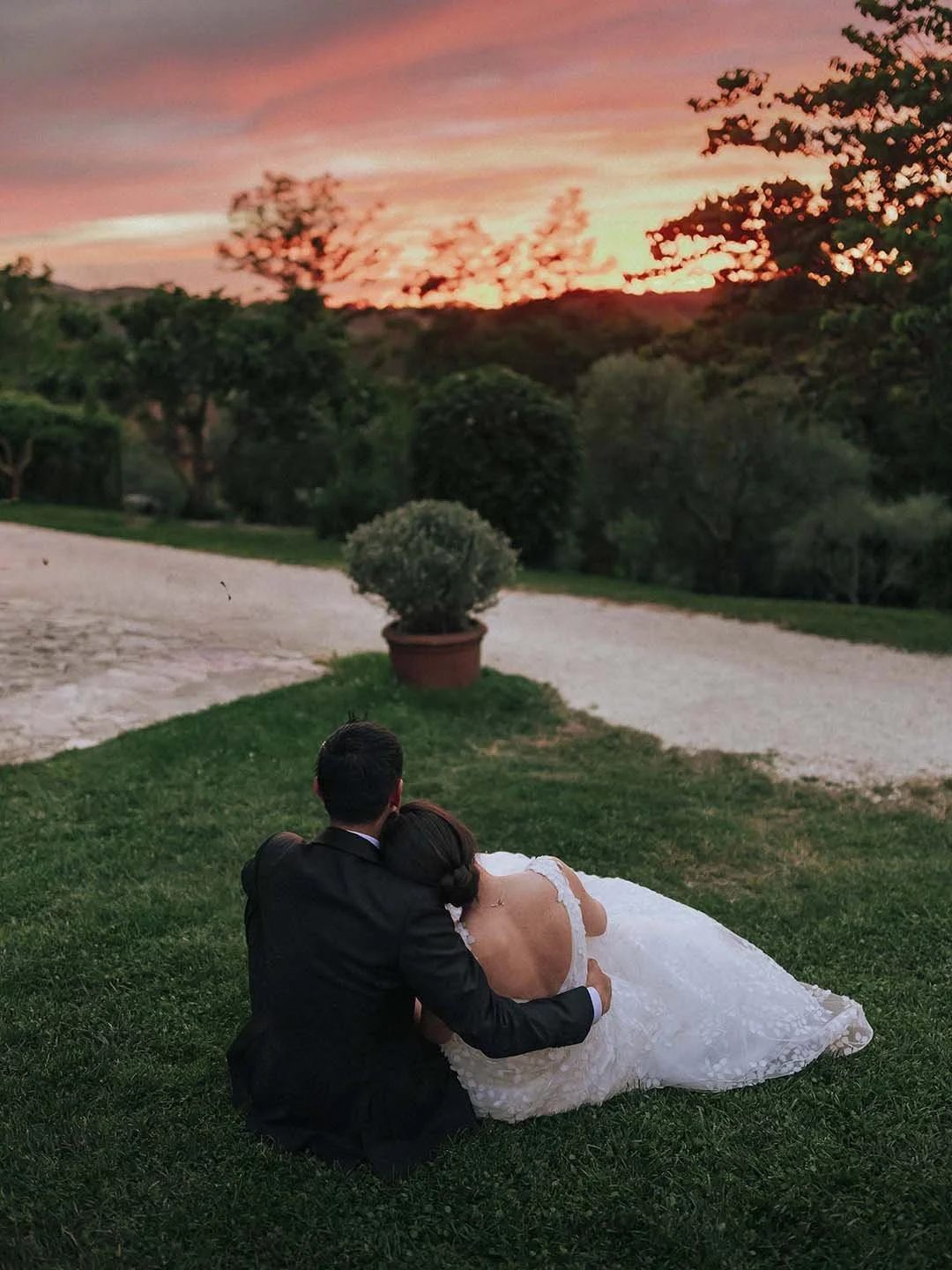
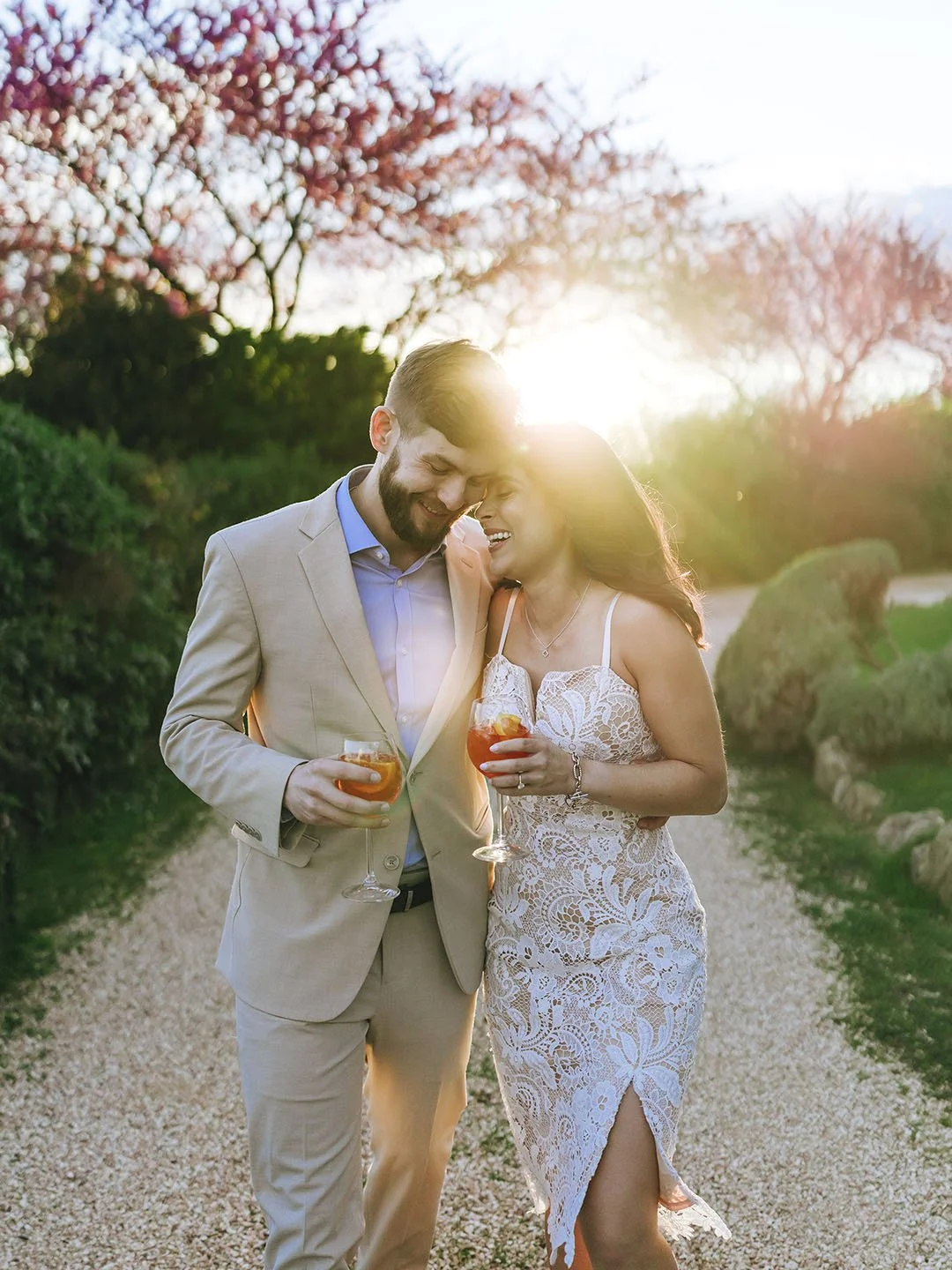
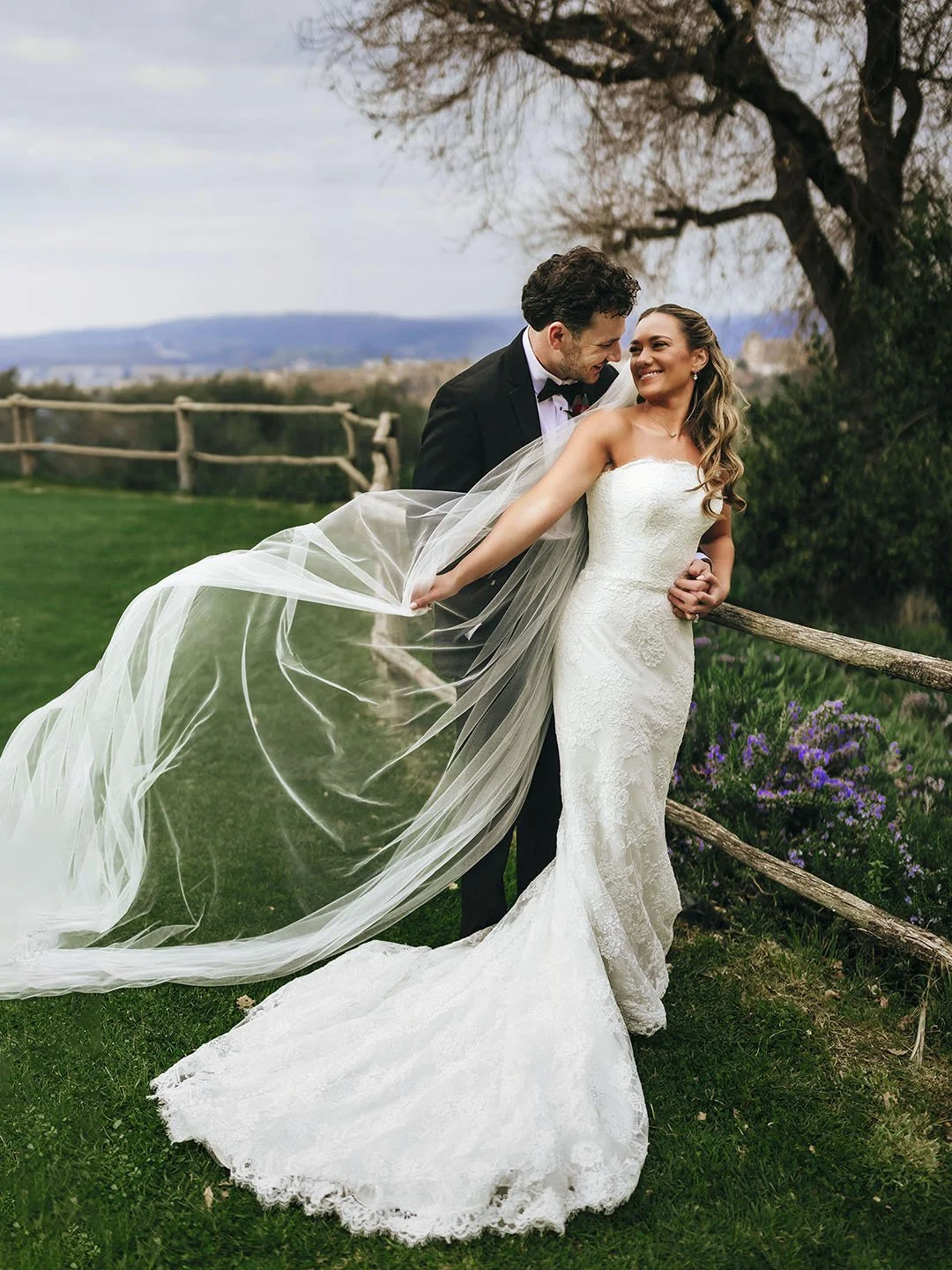
Bride and groom enjoying the sunset at Borgo Castello Panicaglia
One piece of advice we give almost every couple is this: start planning your wedding timeline from sunset.
In Italy, sunset is not simply a beautiful moment for photographs. It is the time when life slows down, people gather together, and dinner begins. The best destination weddings we have photographed were all built around this rhythm.
We usually recommend working backwards from dinner time. First, identify the sunset hour. Then allow around 1.5 to 2 hours for cocktails and mingling before dinner. Before that comes the ceremony, and earlier in the day the getting ready.
This approach naturally places the ceremony during the most comfortable hours of the day, avoids the strongest heat, and allows guests to enjoy the most beautiful light Italy has to offer.
We understand that some venues have strict curfews and that many couples want to maximize their time on the dance floor. But if you choose Italy for your destination wedding, our suggestion is to embrace the Italian way of celebrating.
Italian weddings are not built around rushing from one event to the next. They are built around conversation, long aperitivos, incredible food, outdoor dinners, and enjoying the atmosphere together. The dancing will still happen, but the moments your guests will remember most are often those shared around a table at sunset, with a glass of wine in hand and the countryside glowing around them.
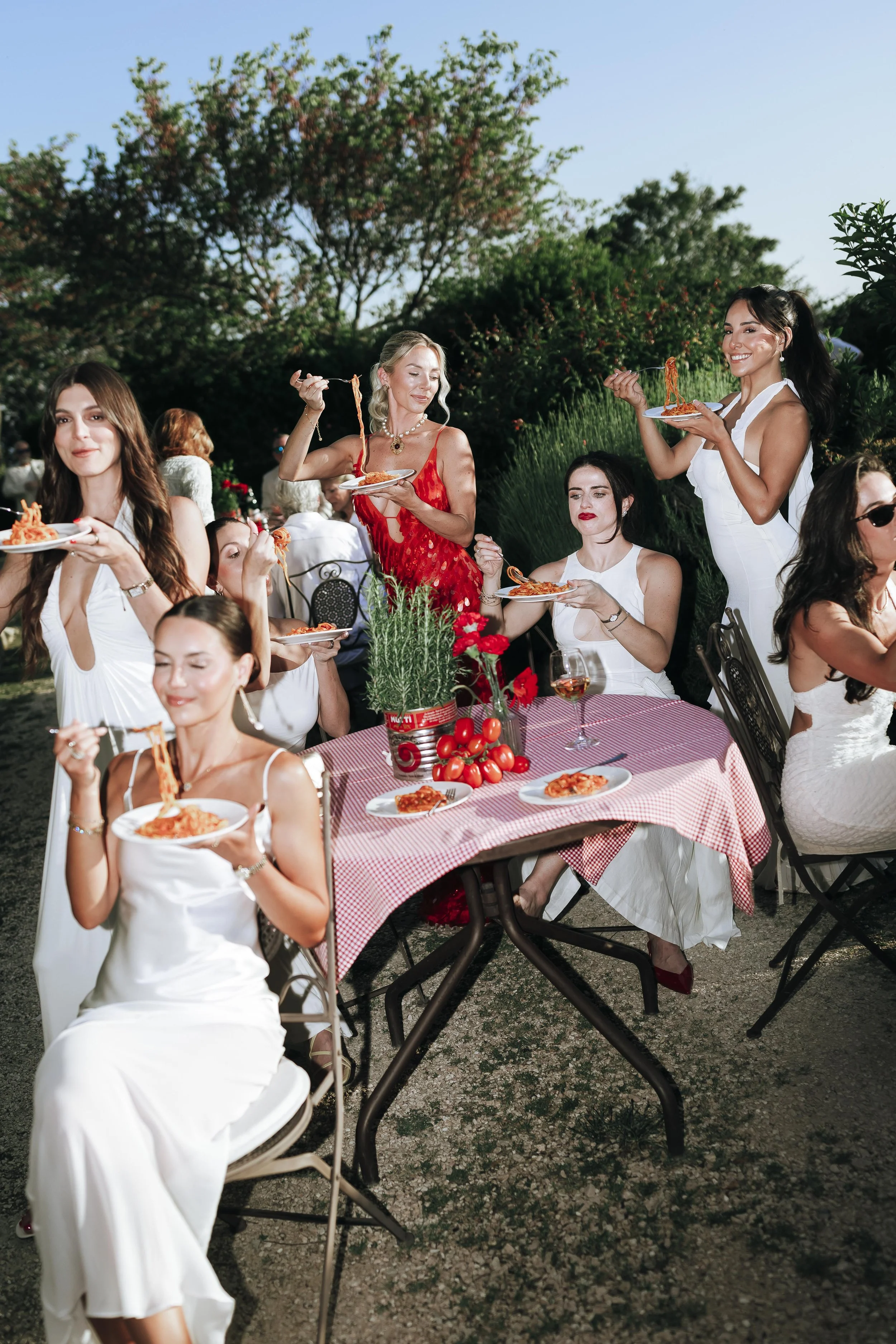
Is It Worth Having a Welcome Party for Your Destination Wedding in Italy?
Is It Worth Having a Welcome Party for Your Destination Wedding in Italy?
Why More Couples Are Turning Their Italian Destination Wedding Into a Multi-Day Celebration
One of the most common questions couples ask when planning a destination wedding in Italy is whether they should organize a welcome party before the wedding day.
After photographing more than 1,000 destination weddings and documenting 70–80 weddings every year across Tuscany, Umbria, Lake Como, and the Amalfi Coast, we can confidently say that welcome parties have become an important part of the destination wedding experience.
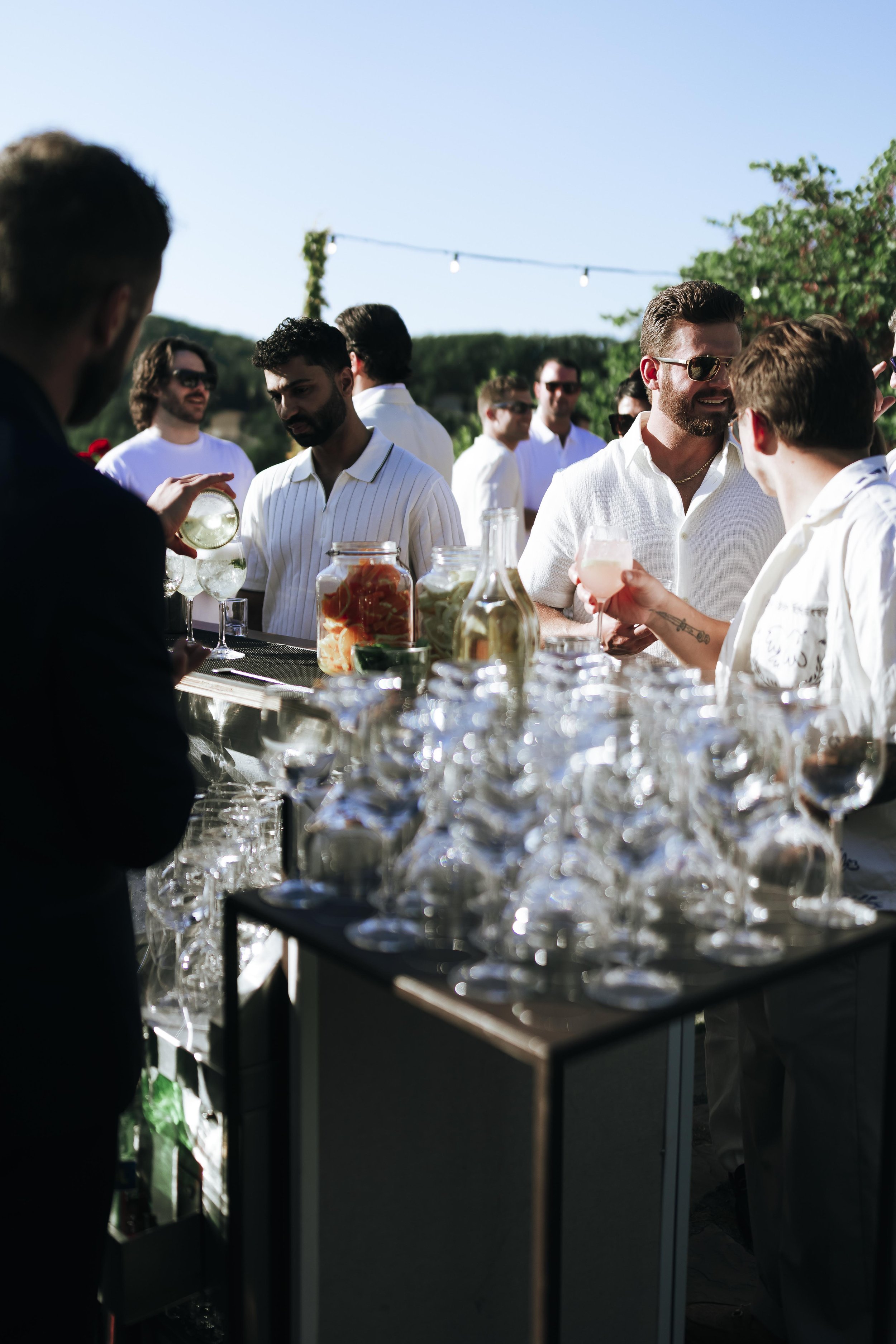
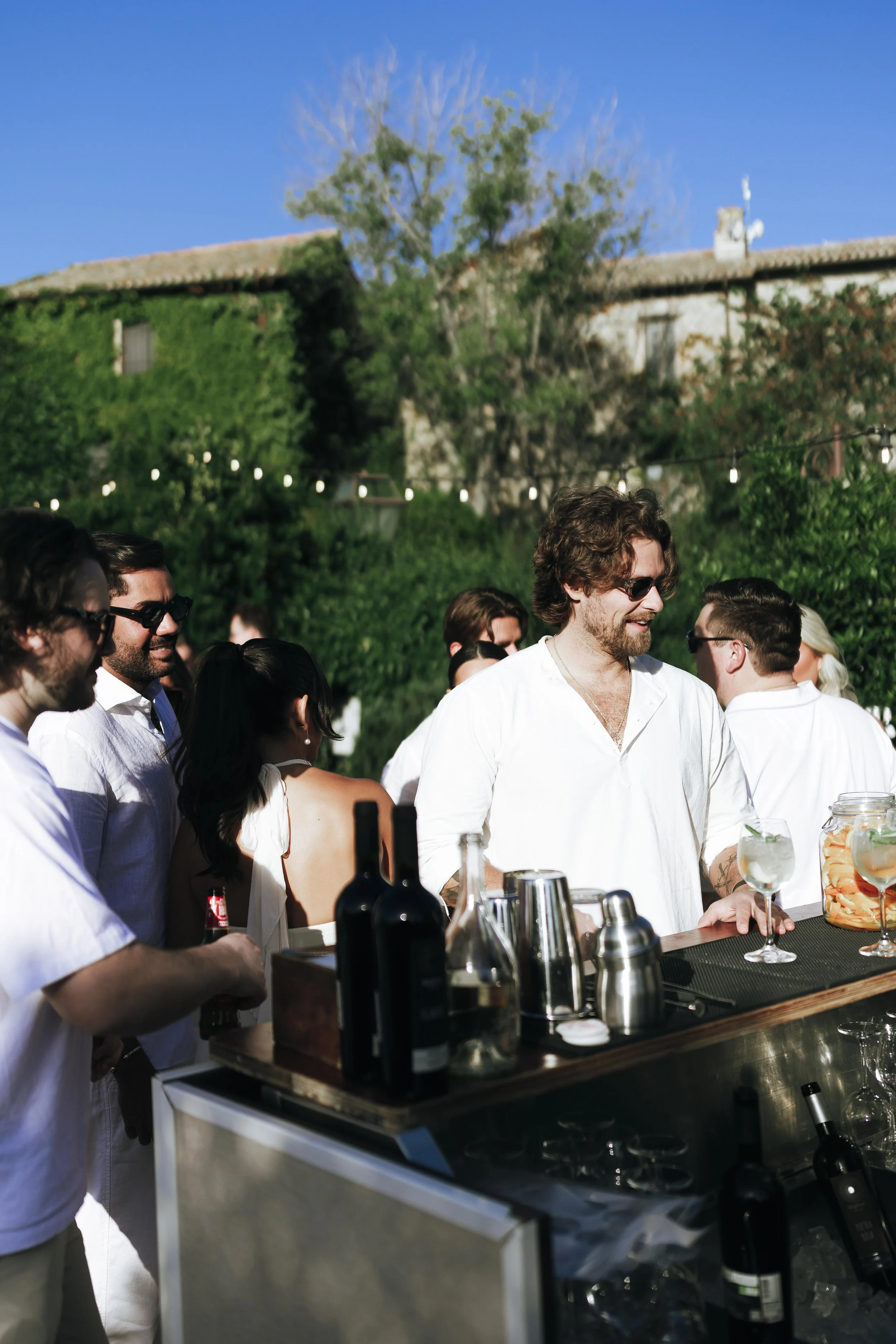
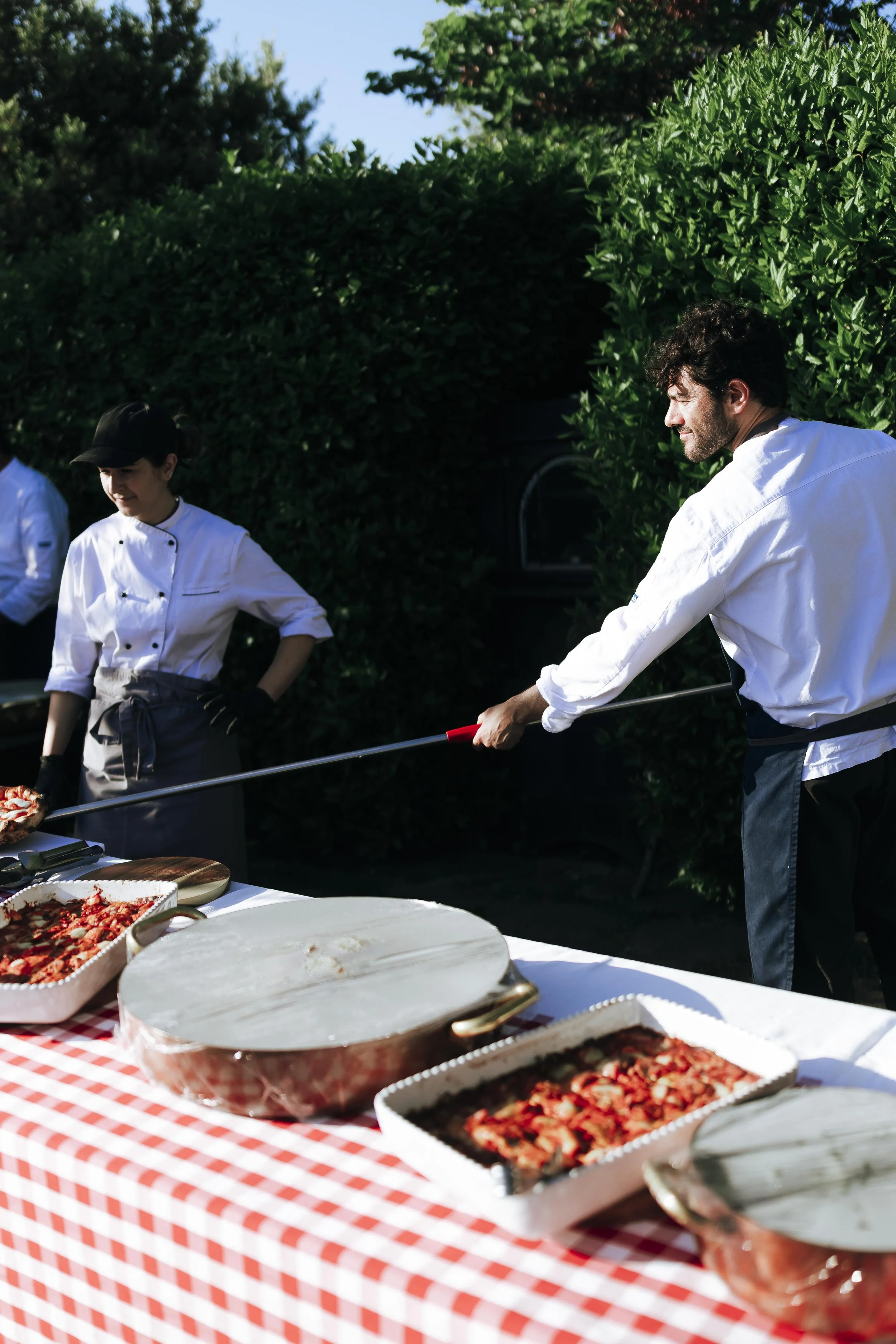
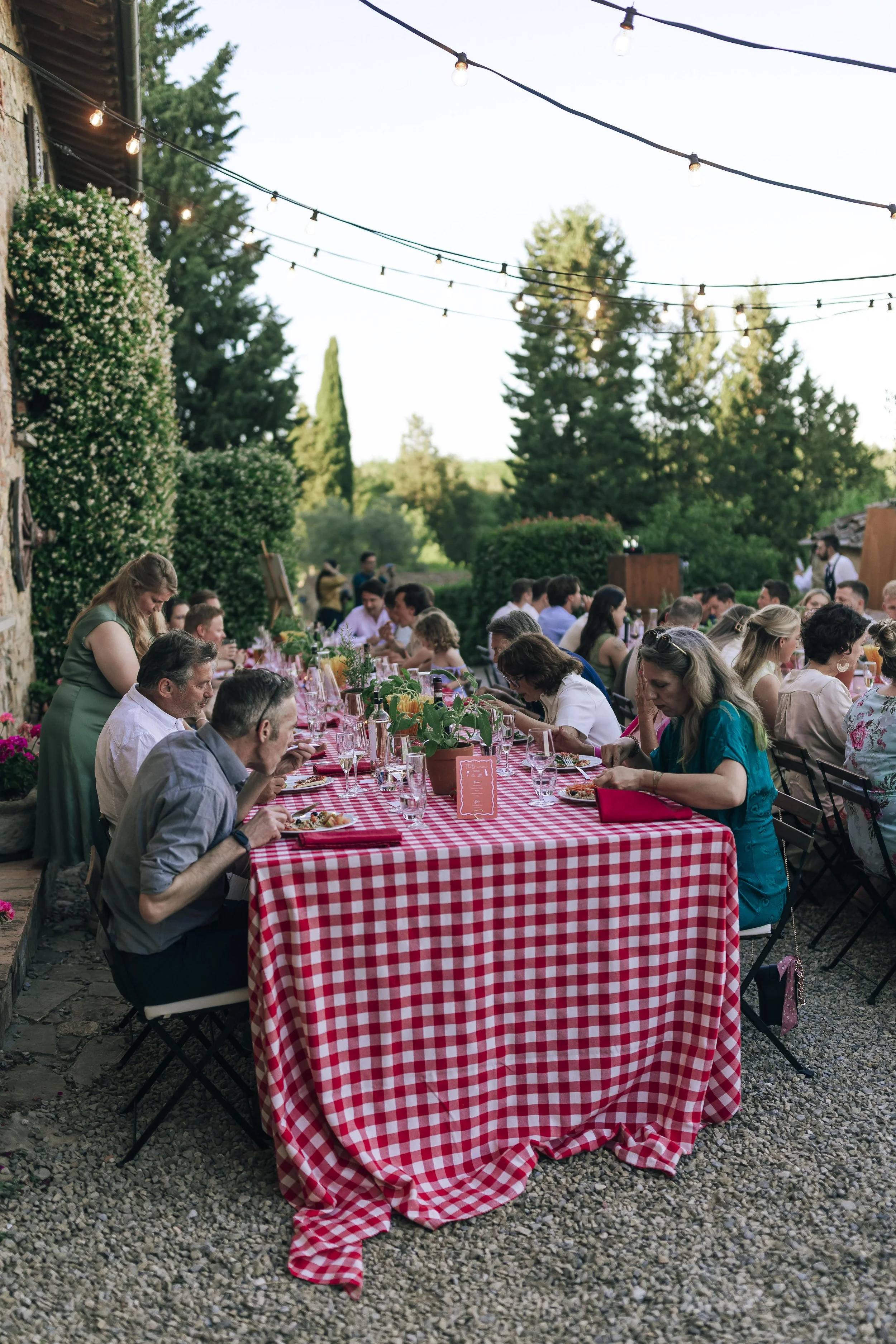
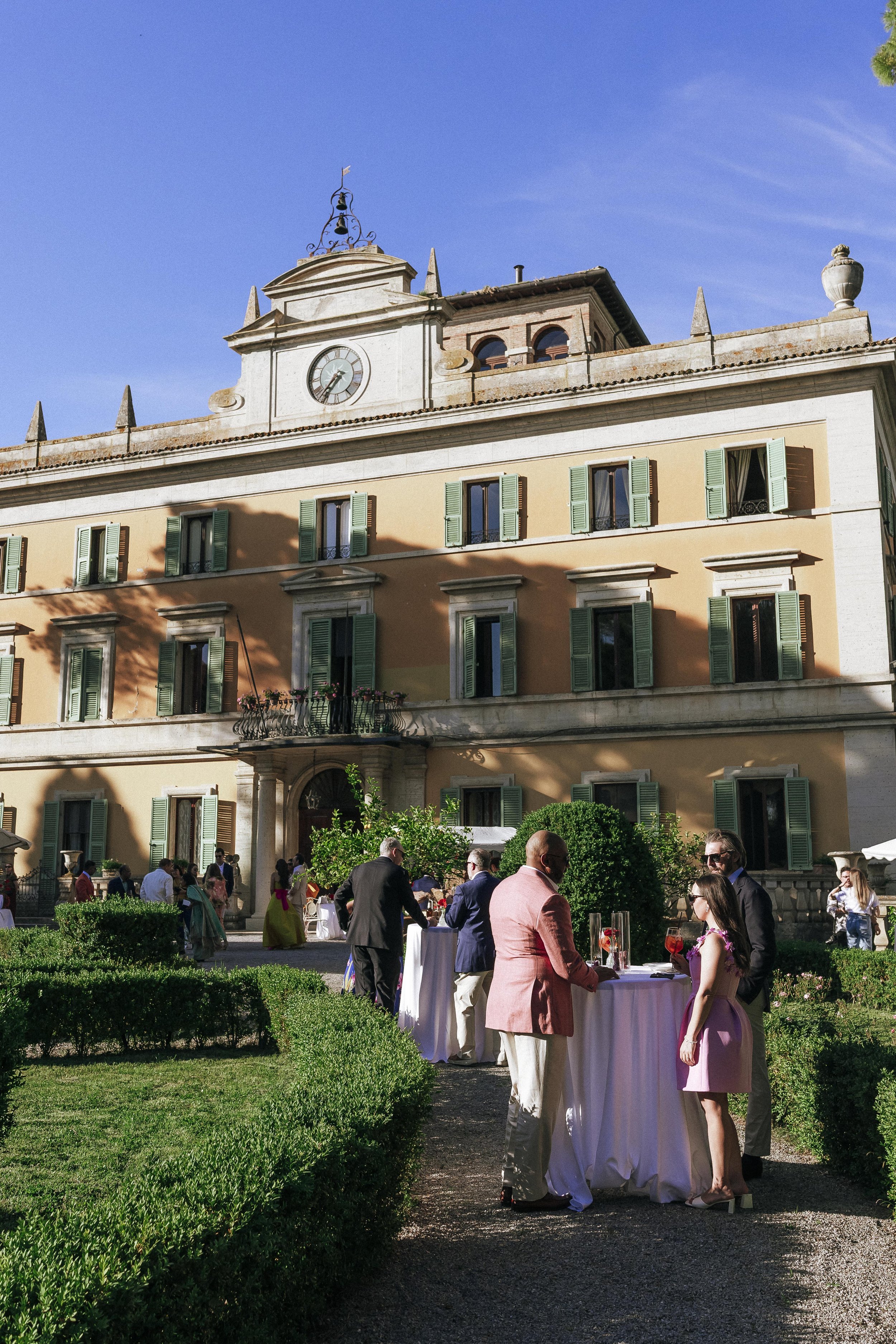
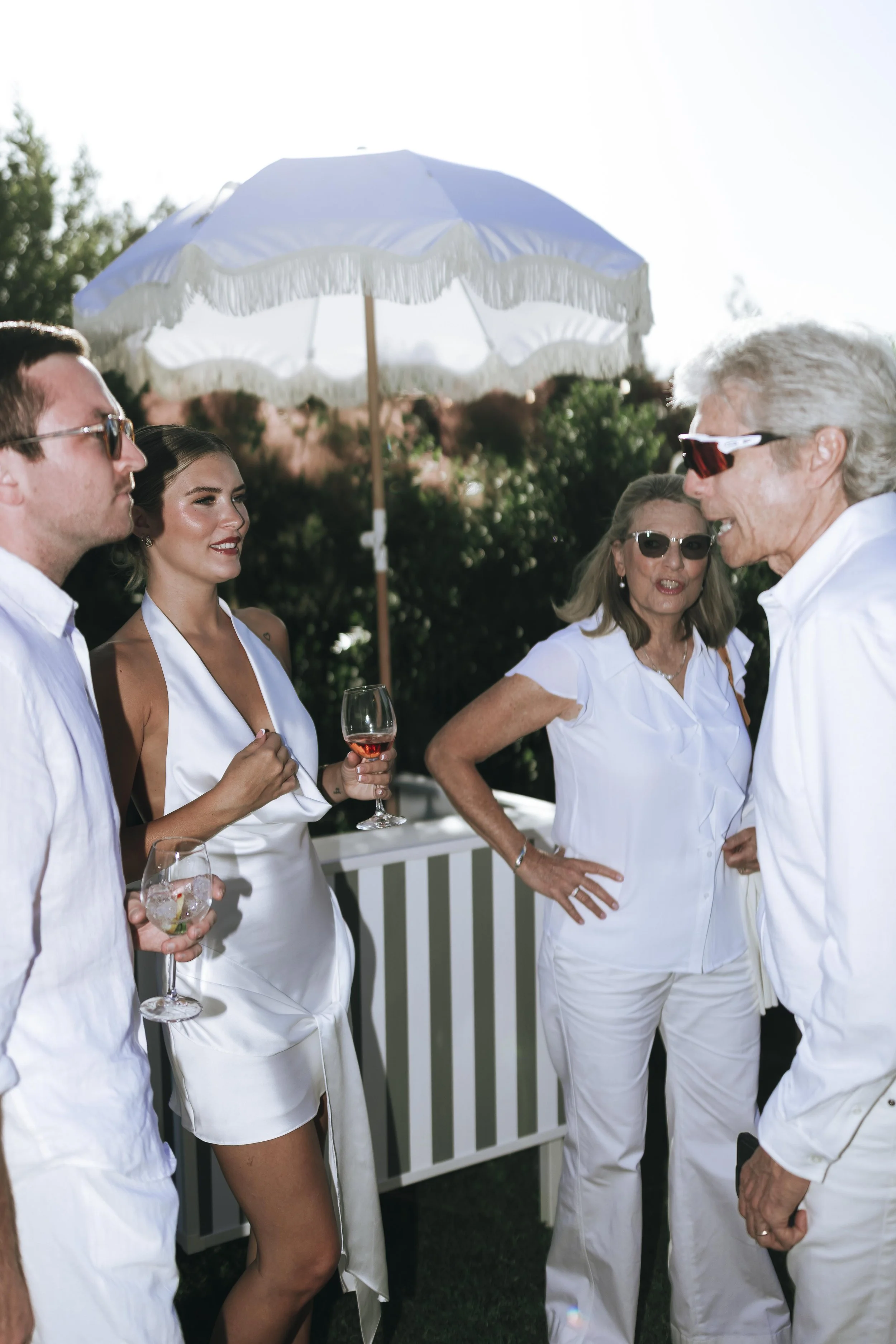
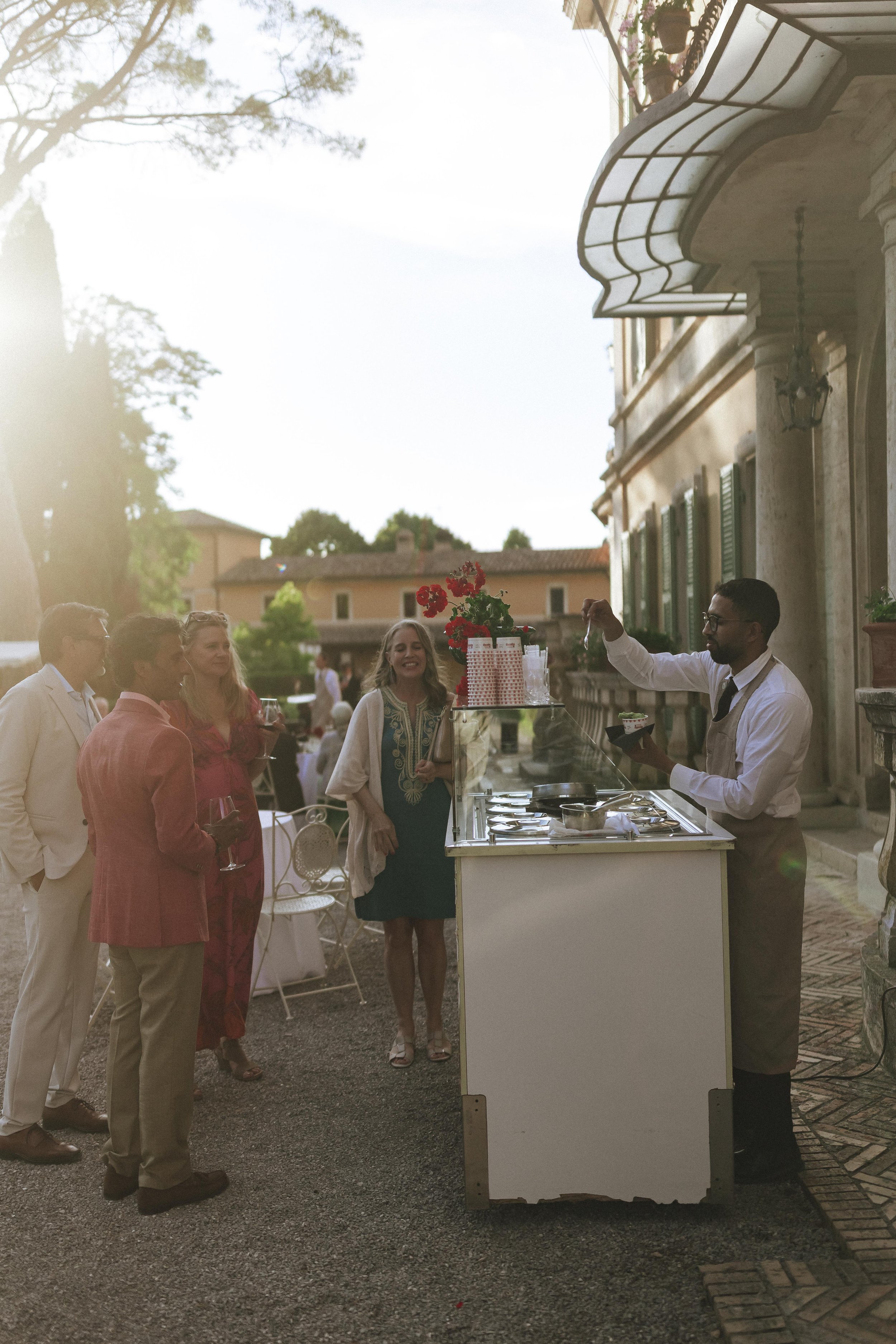
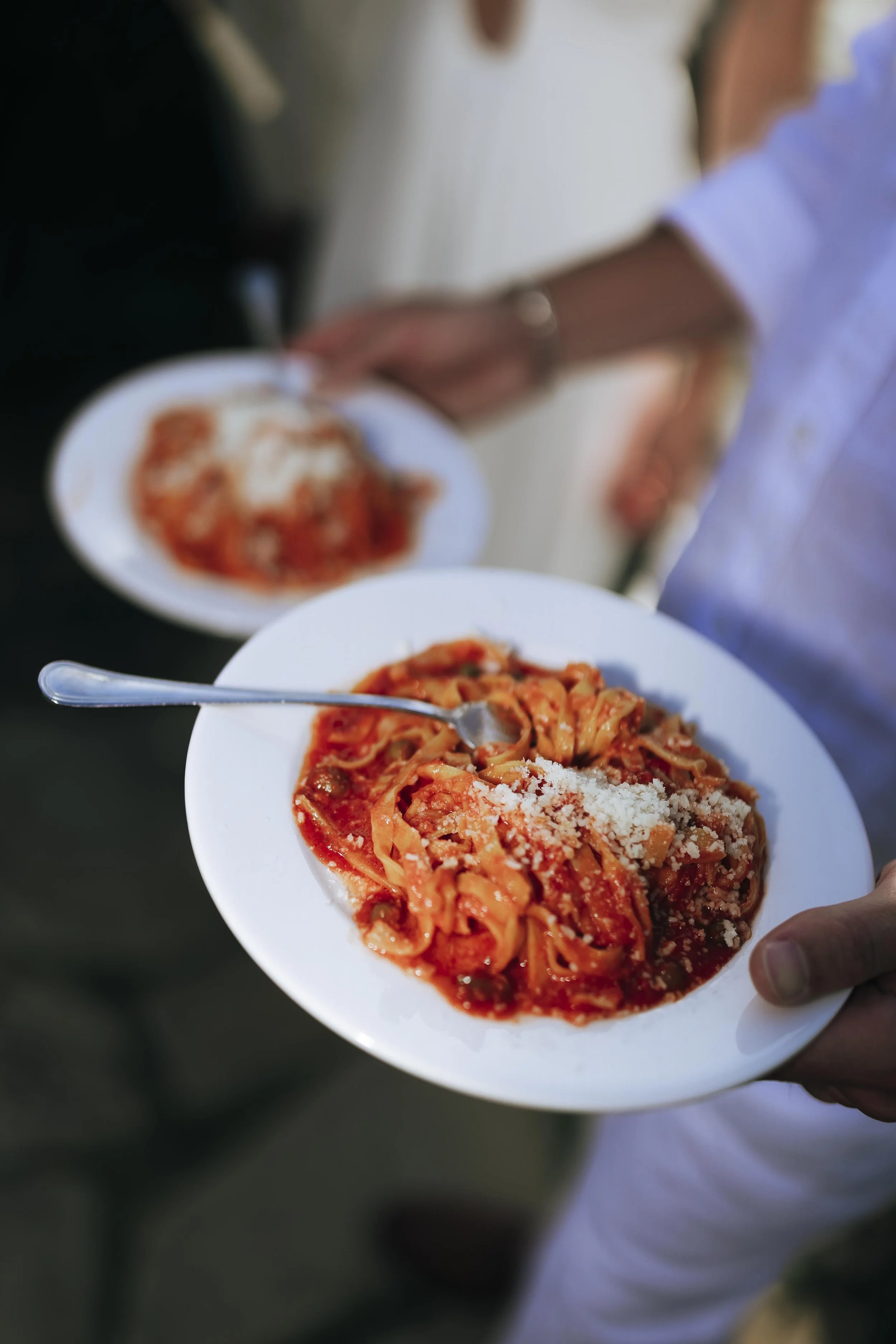
How Common Are Welcome Parties at Destination Weddings in Italy?
Based on our experience, welcome parties are increasingly popular, especially among international couples.
In the past year:
60% of our destination weddings included a welcome party
20% included a third day of events, such as a pool party, farewell brunch, Vespa tour, pizza party, wine tasting, or boat excursion
The numbers vary depending on the region:
Tuscany and Umbria: approximately 60% of weddings include a welcome party
Lake Como: approximately 20%
Amalfi Coast: approximately 10%
The difference is often related to logistics and budgets. In Tuscany and Umbria, many couples stay together in villas and country estates for several days, making multi-day celebrations easier to organize.
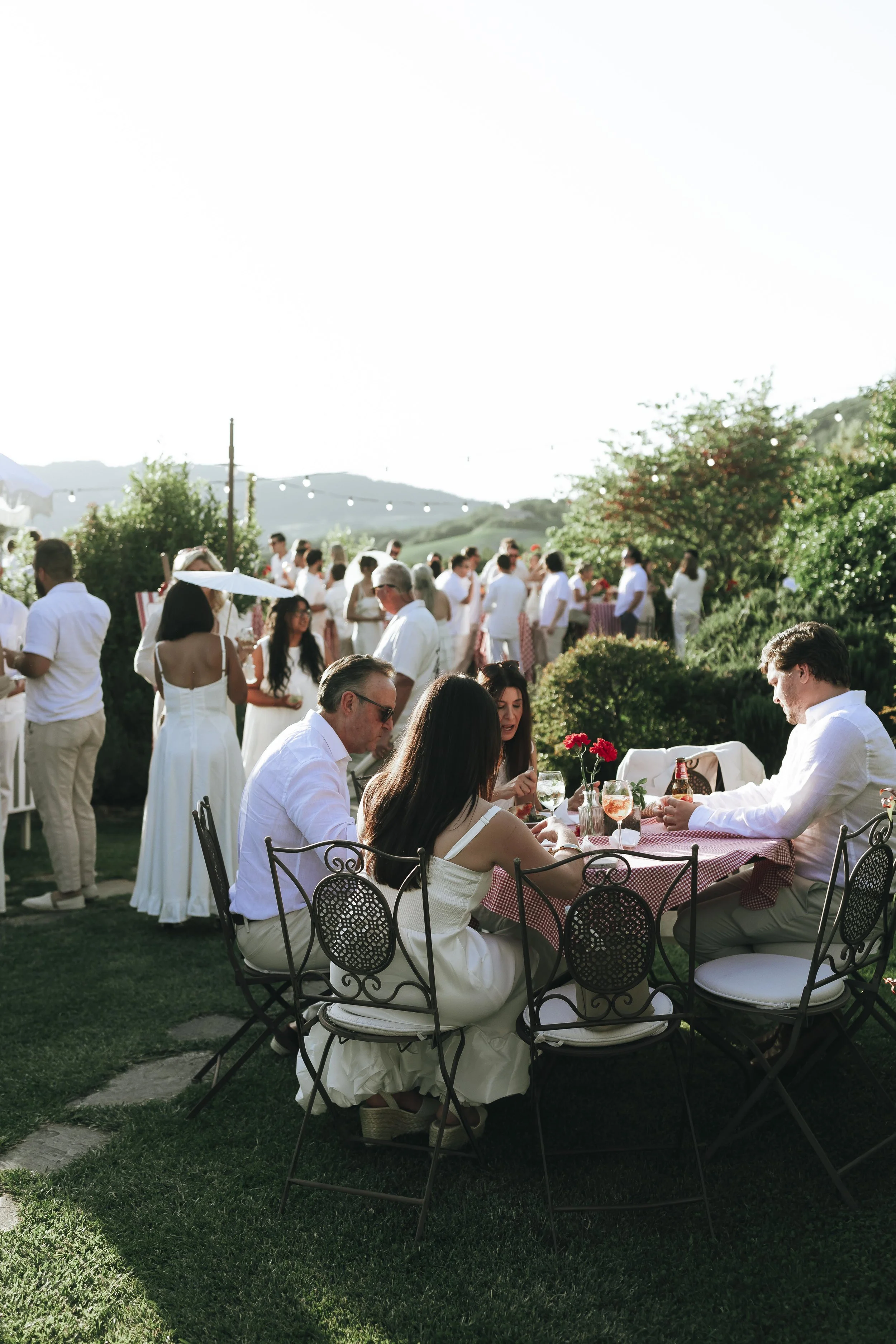
Why Do Couples Organize a Welcome Party?
The answer is simple: a destination wedding is much more than a single day.
Guests often travel thousands of miles to attend. Many have never met before, while others have not seen each other in years. A welcome party creates a relaxed environment where everyone can connect before the wedding day.
Some of the main reasons couples choose to host a welcome event include:
Guests Get to Know Each Other
A destination wedding often brings together family and friends from different countries, cities, and social circles.
Meeting the night before helps break the ice and creates a much more relaxed atmosphere during the wedding itself.
A welcome dinner, pizza party, wine tasting, or casual gathering allows everyone to settle in, relax, and begin enjoying the experience immediately.
Destination Weddings Are Often Multi-Day Experiences
Unlike local weddings, destination weddings usually involve several days together.
Guests are dedicating significant time and money to attend, and couples often feel responsible for creating memorable experiences throughout the stay.
While accommodation is frequently paid for by guests themselves, meals, activities, and hosted events are often organized by the couple.
For many families and groups of friends, the welcome party becomes one of the most memorable parts of the entire wedding weekend.
Is It Worth Hiring a Photographer for the Welcome Party?
In our opinion, absolutely.
In fact, many couples are surprised by how important these photographs become over time.
How Many Couples Include Photography Coverage?
Among our destination wedding clients:
Around 70% of couples from the United States choose to include photography coverage for the welcome party.
Around 40% of couples from the United Kingdom and the rest of Europe add welcome party coverage.
The trend is clear: couples increasingly see their wedding as a multi-day story rather than a single-day event.
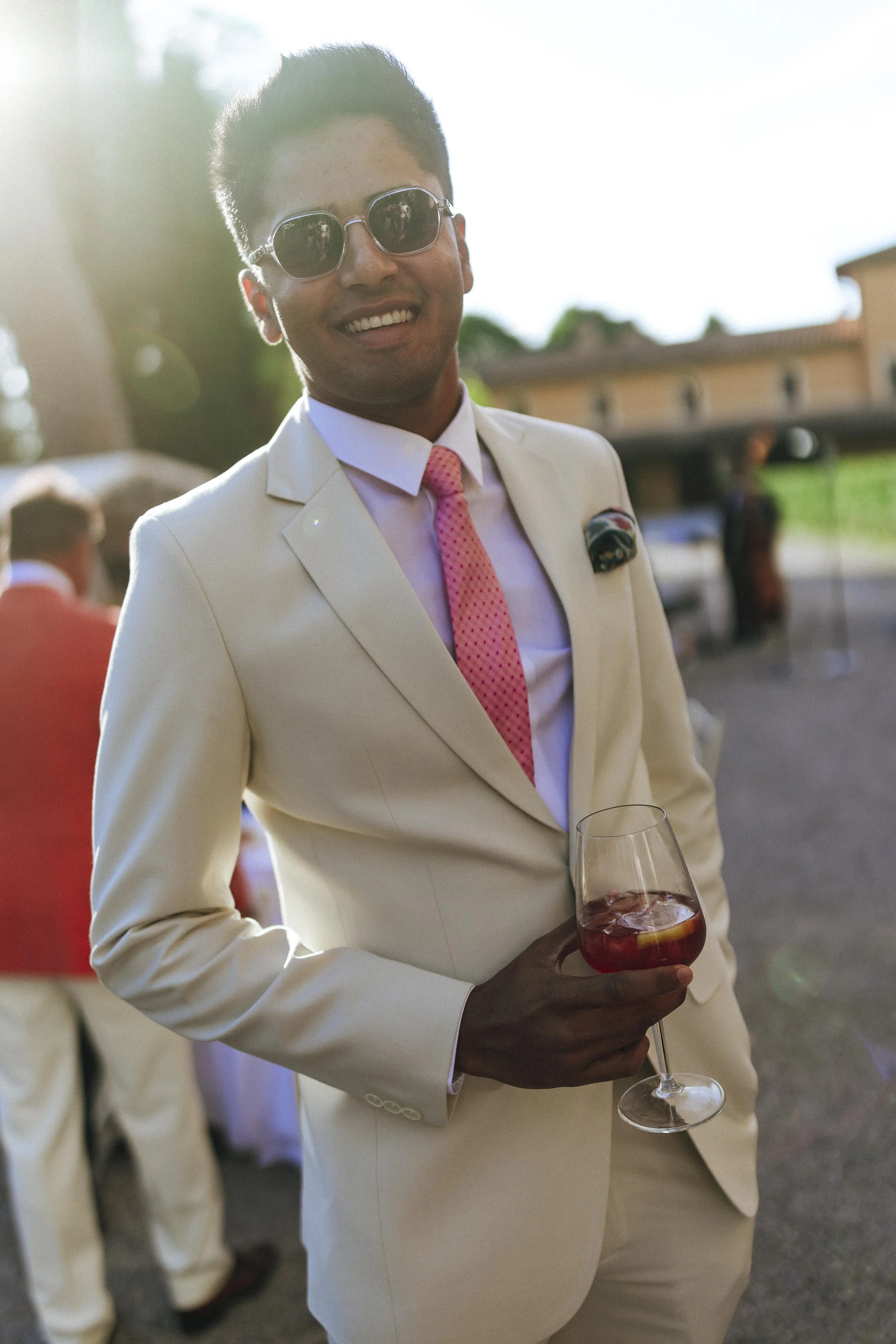
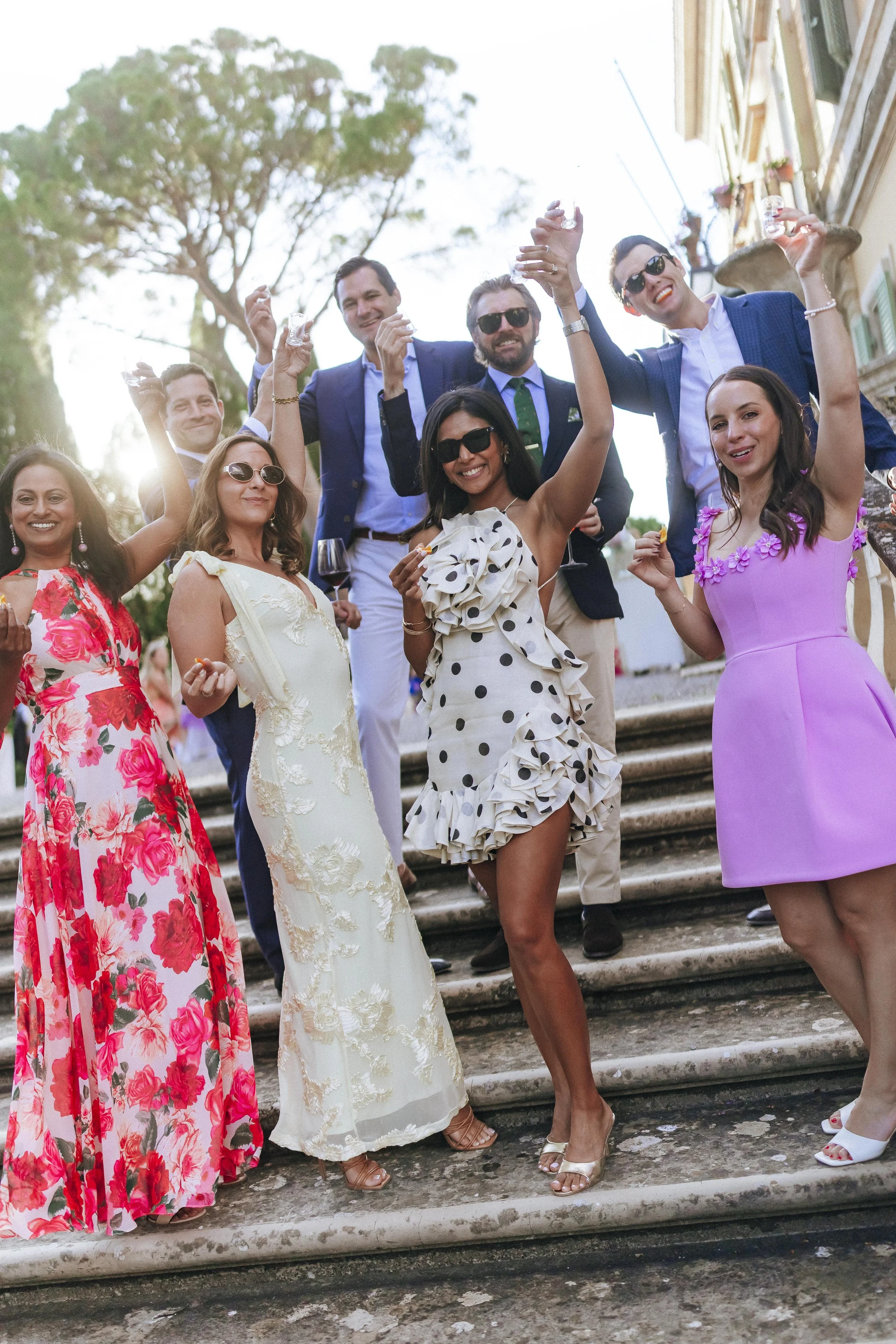
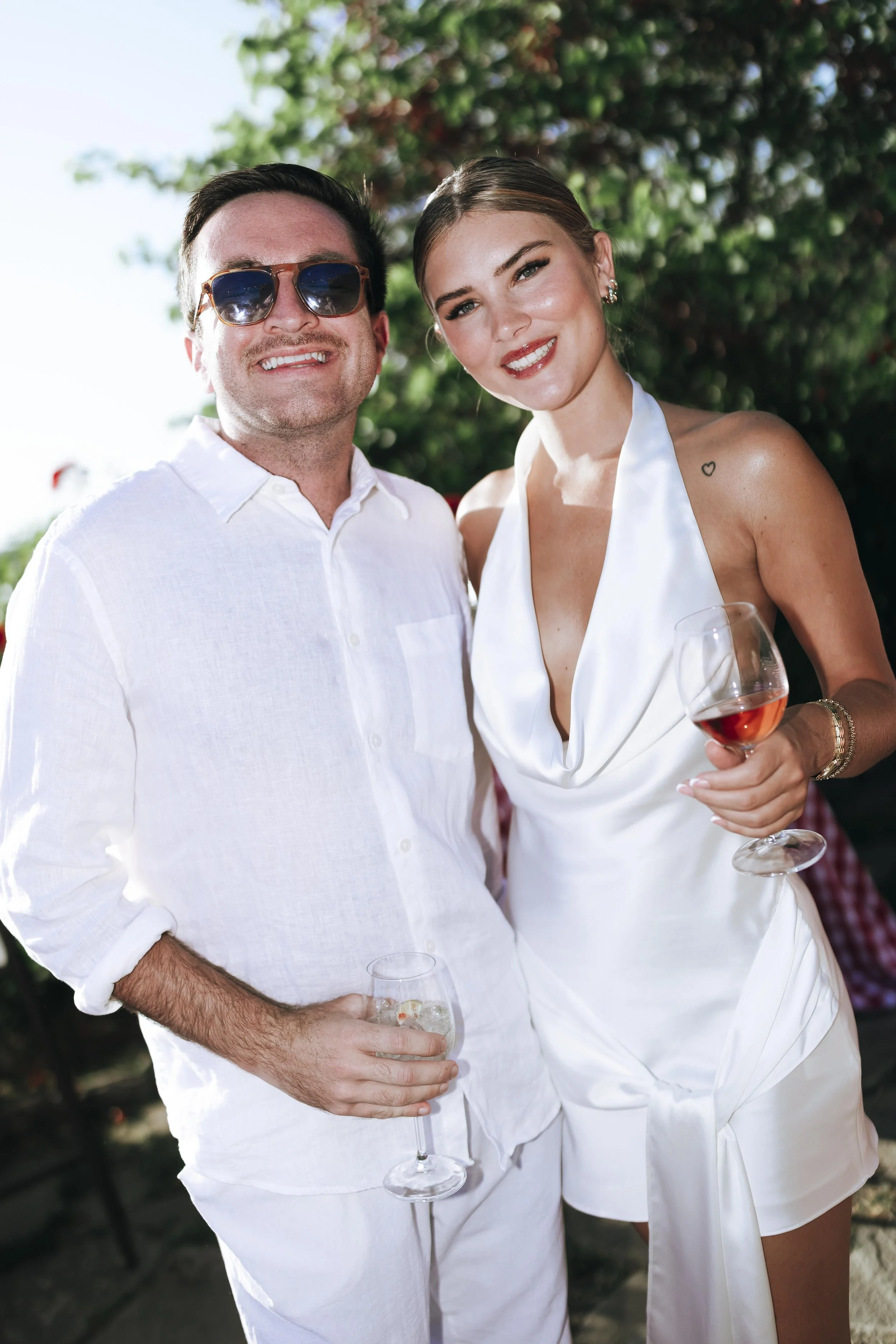
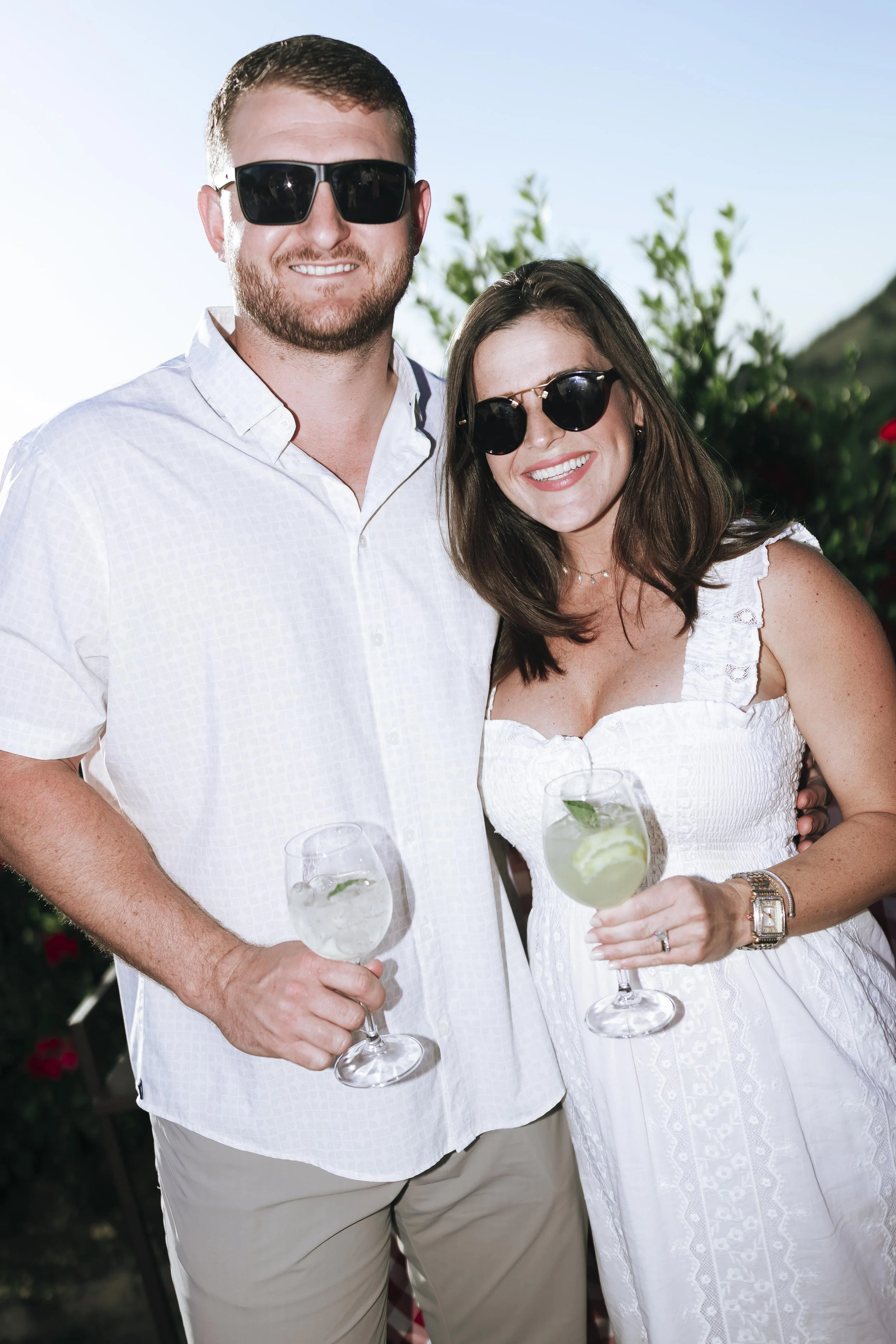


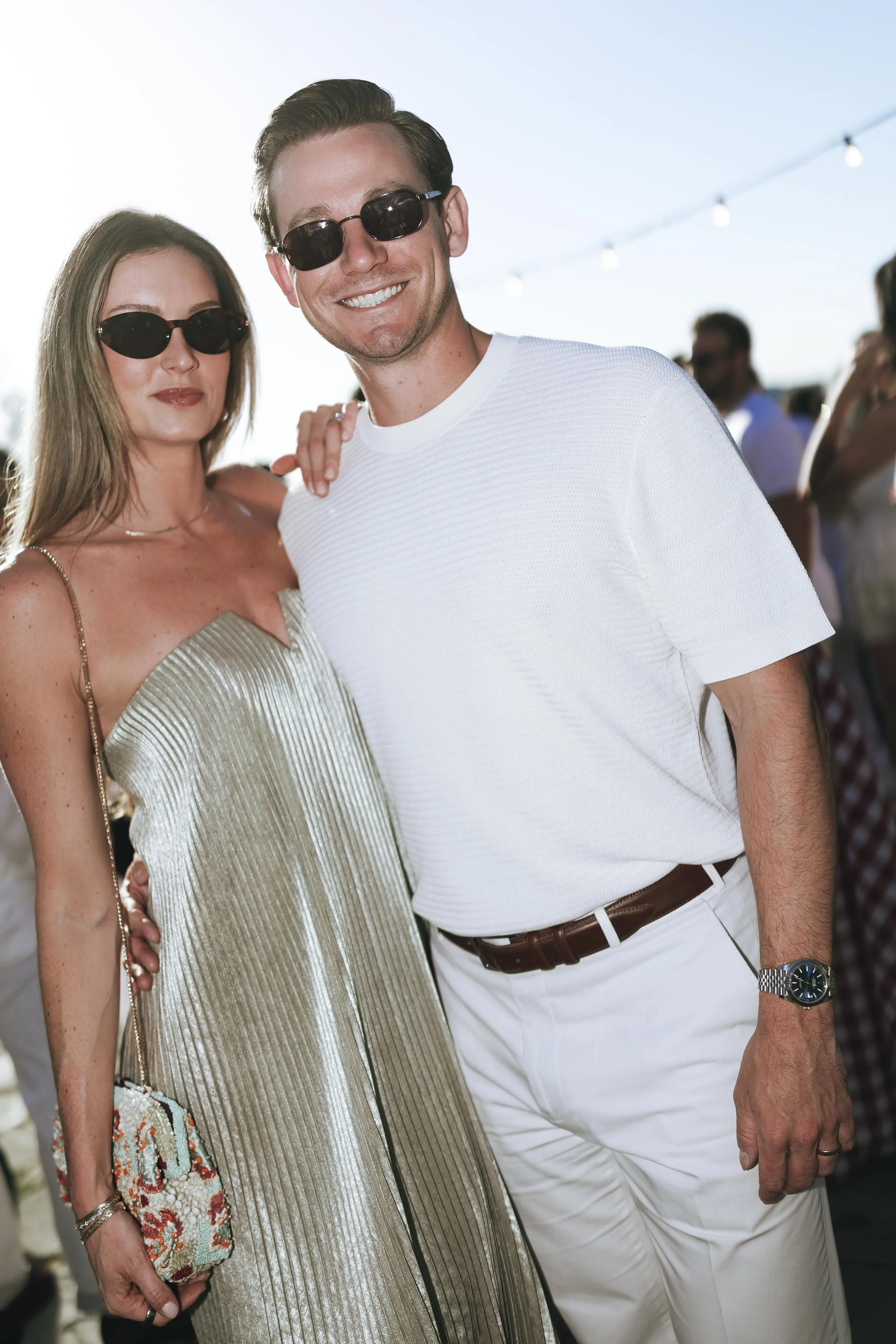
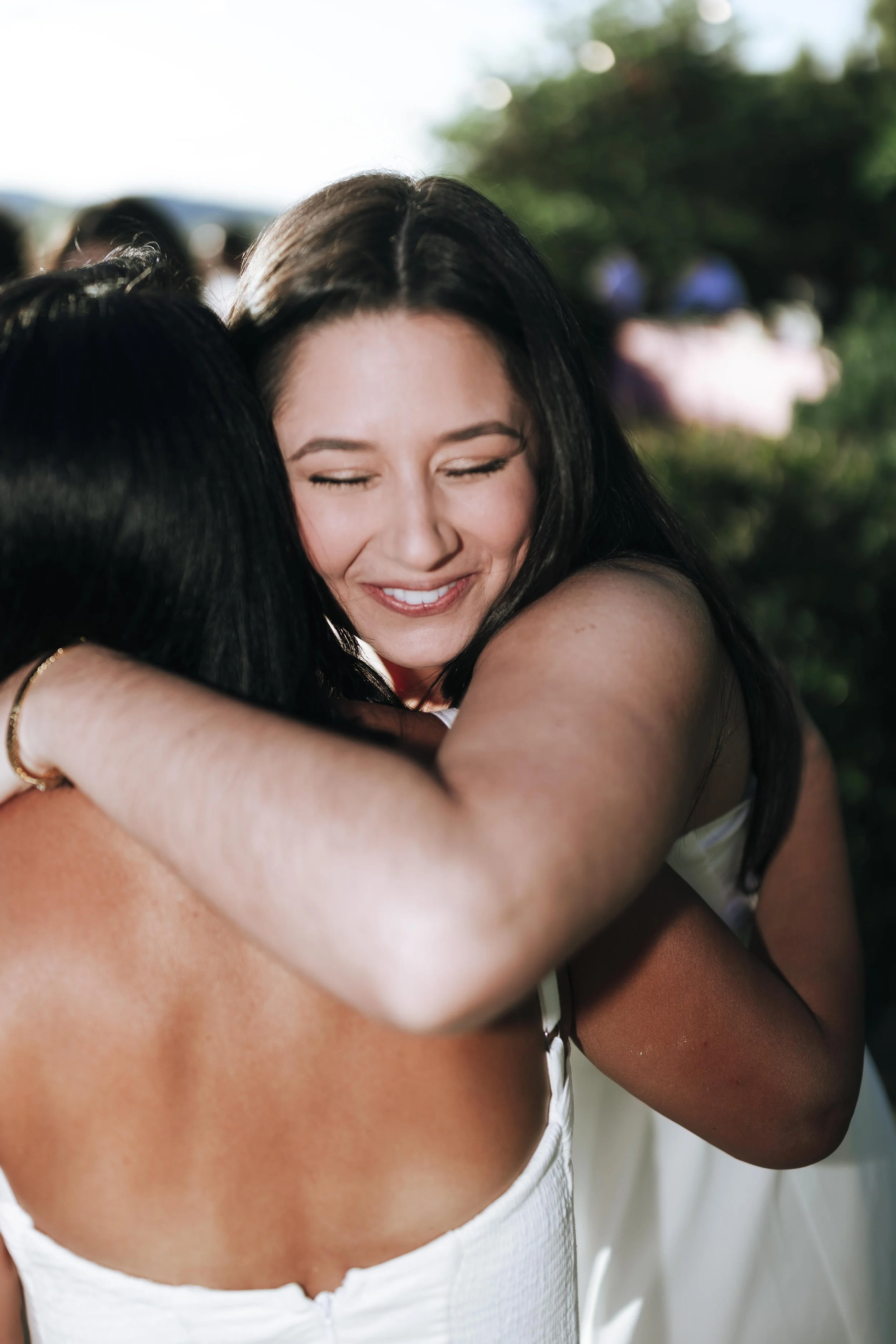
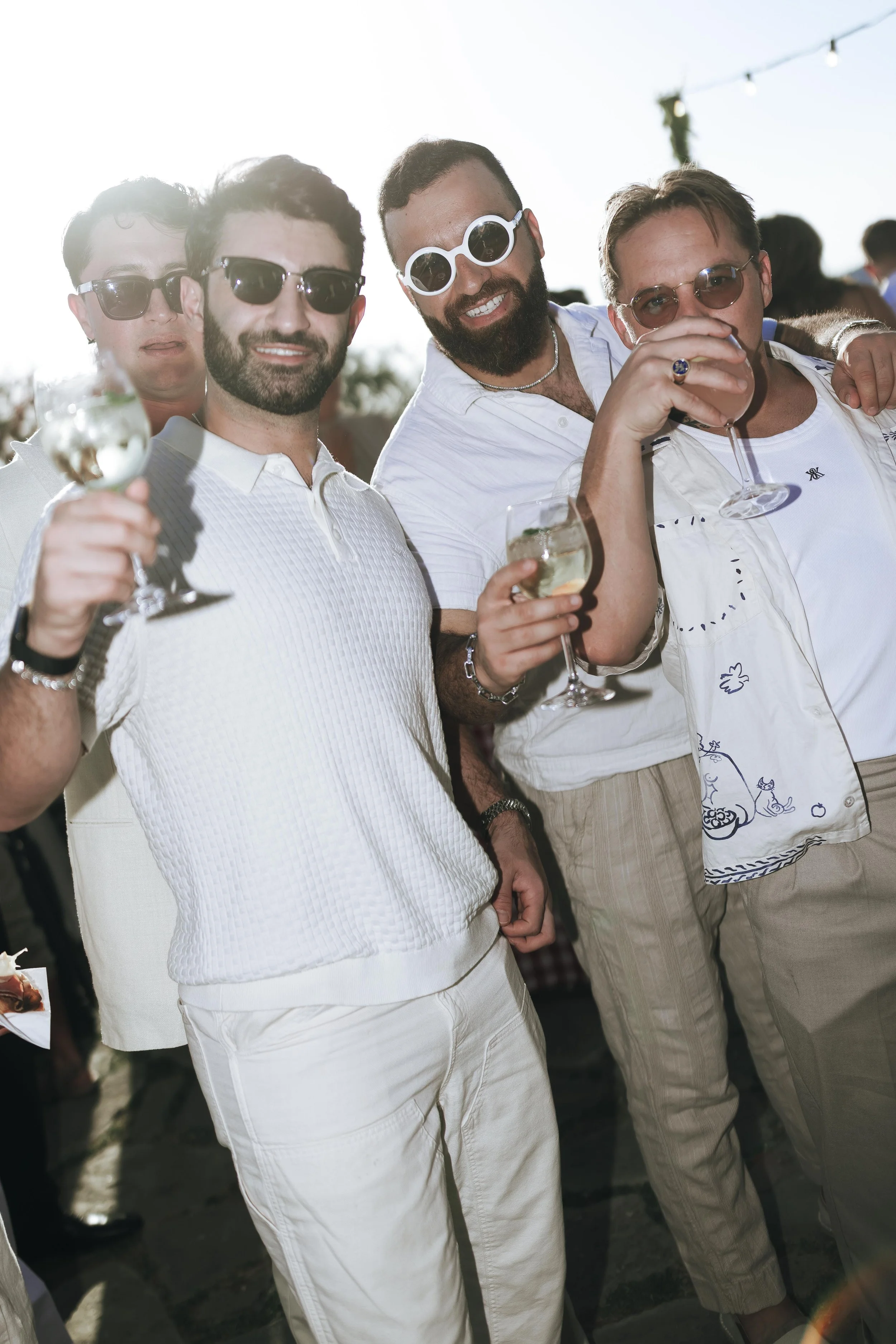

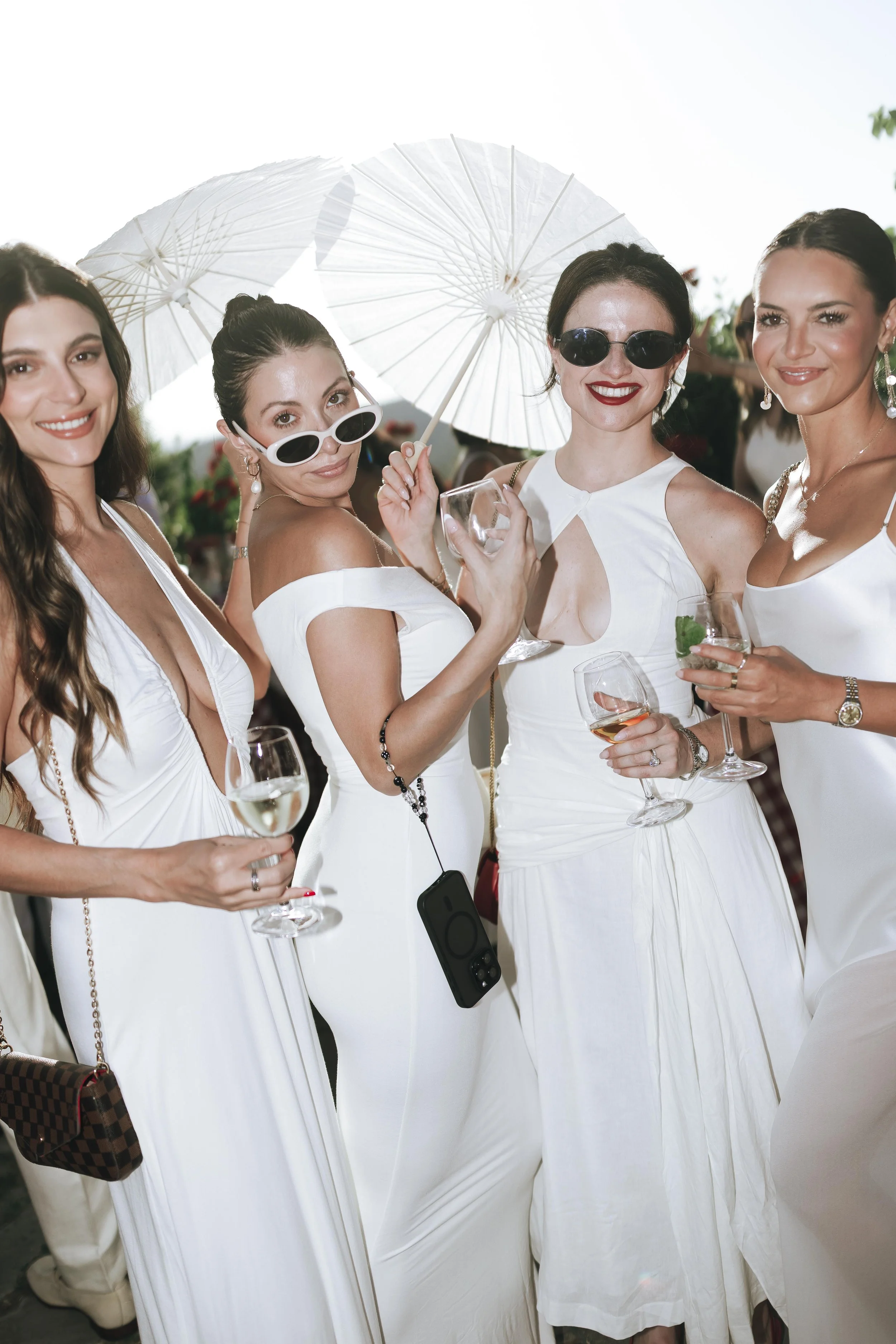
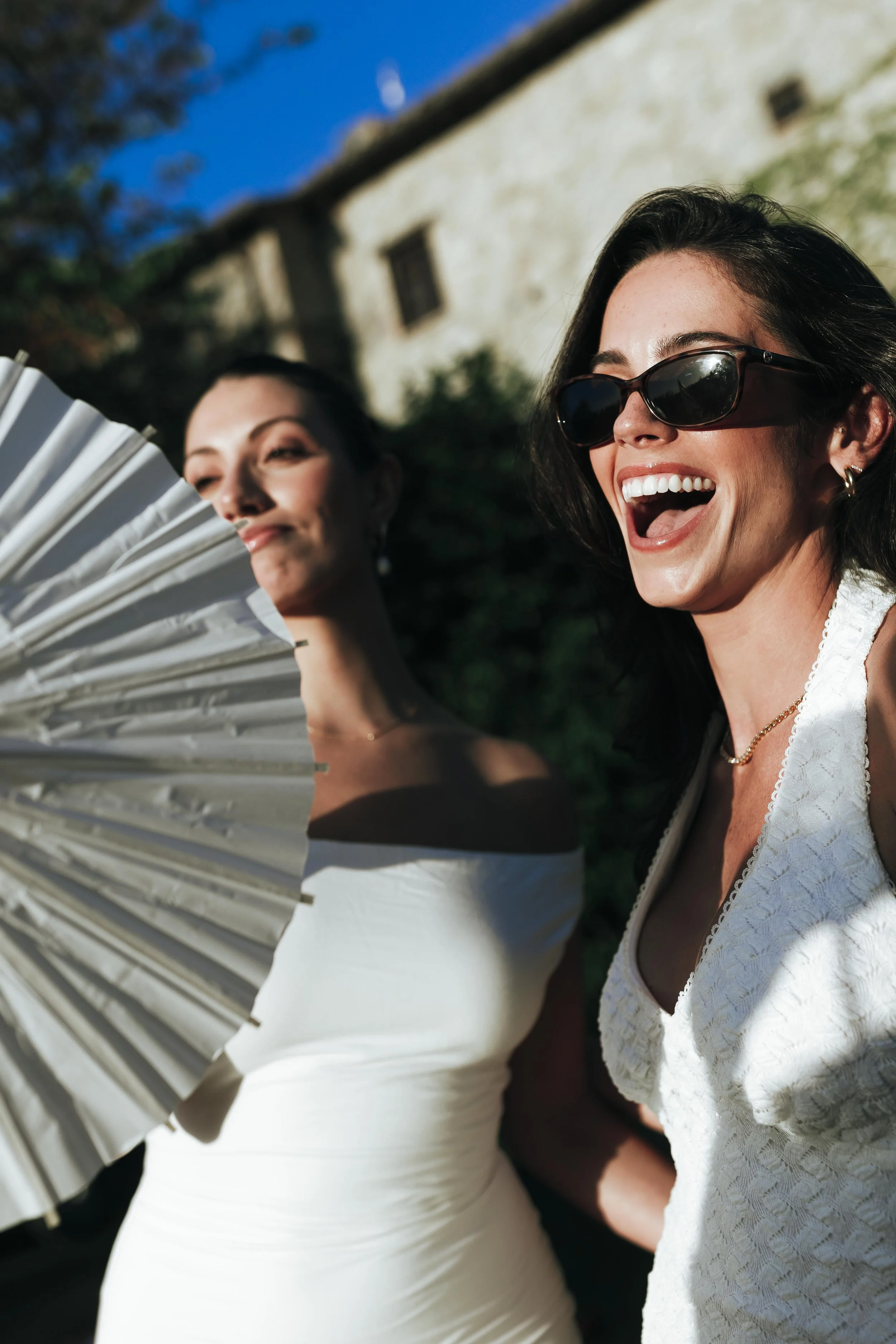
The Best Opportunity to Photograph Your Guests
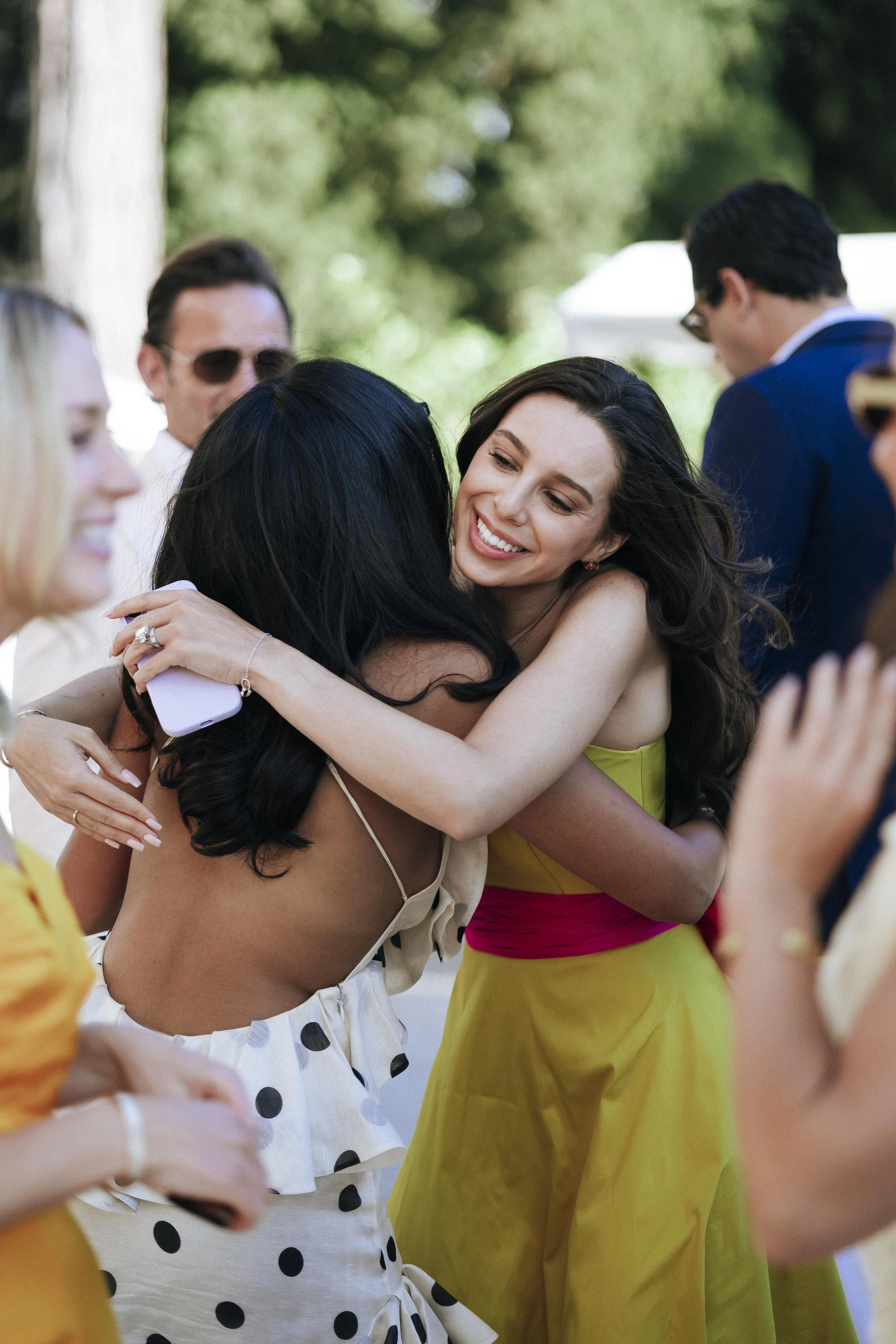
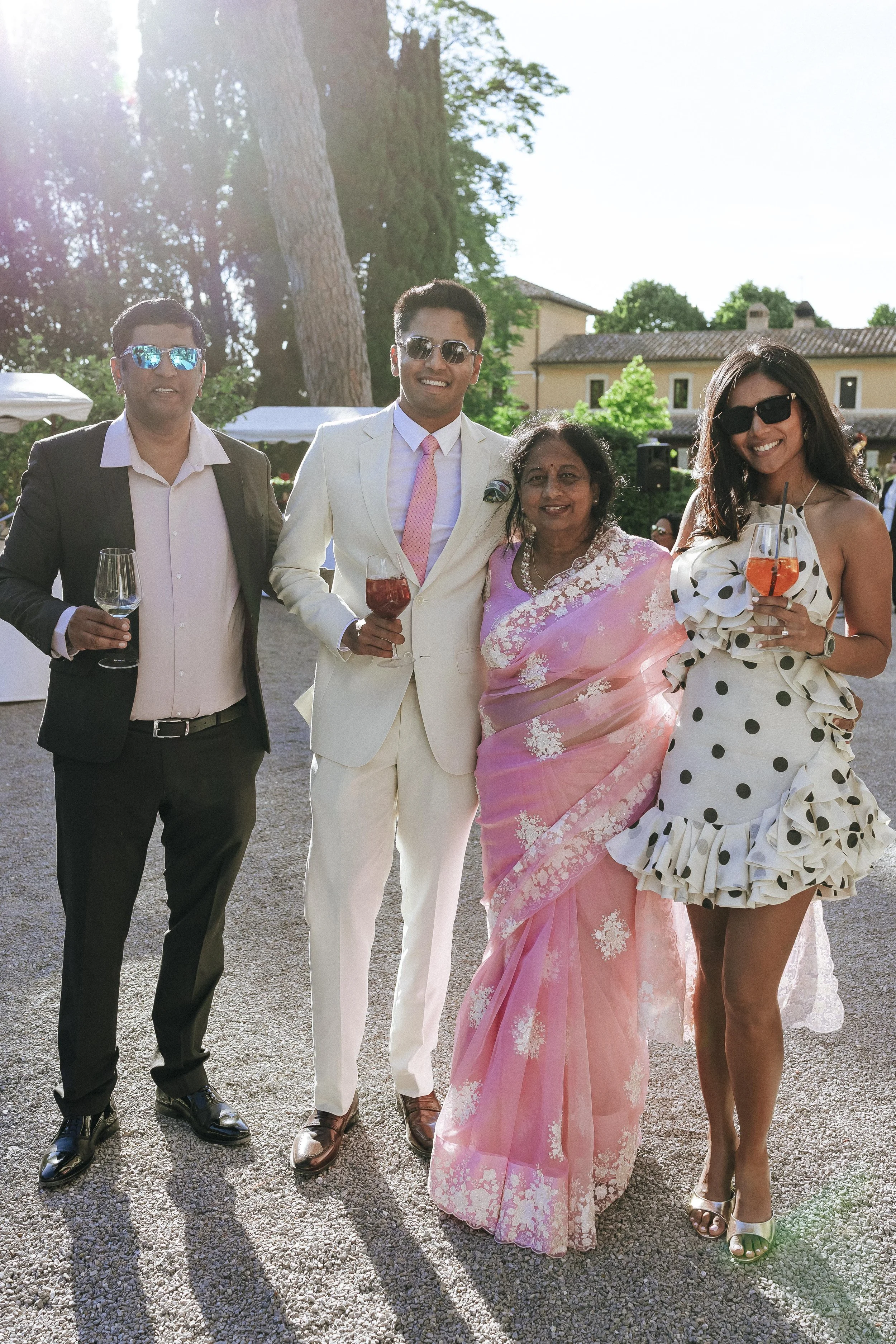
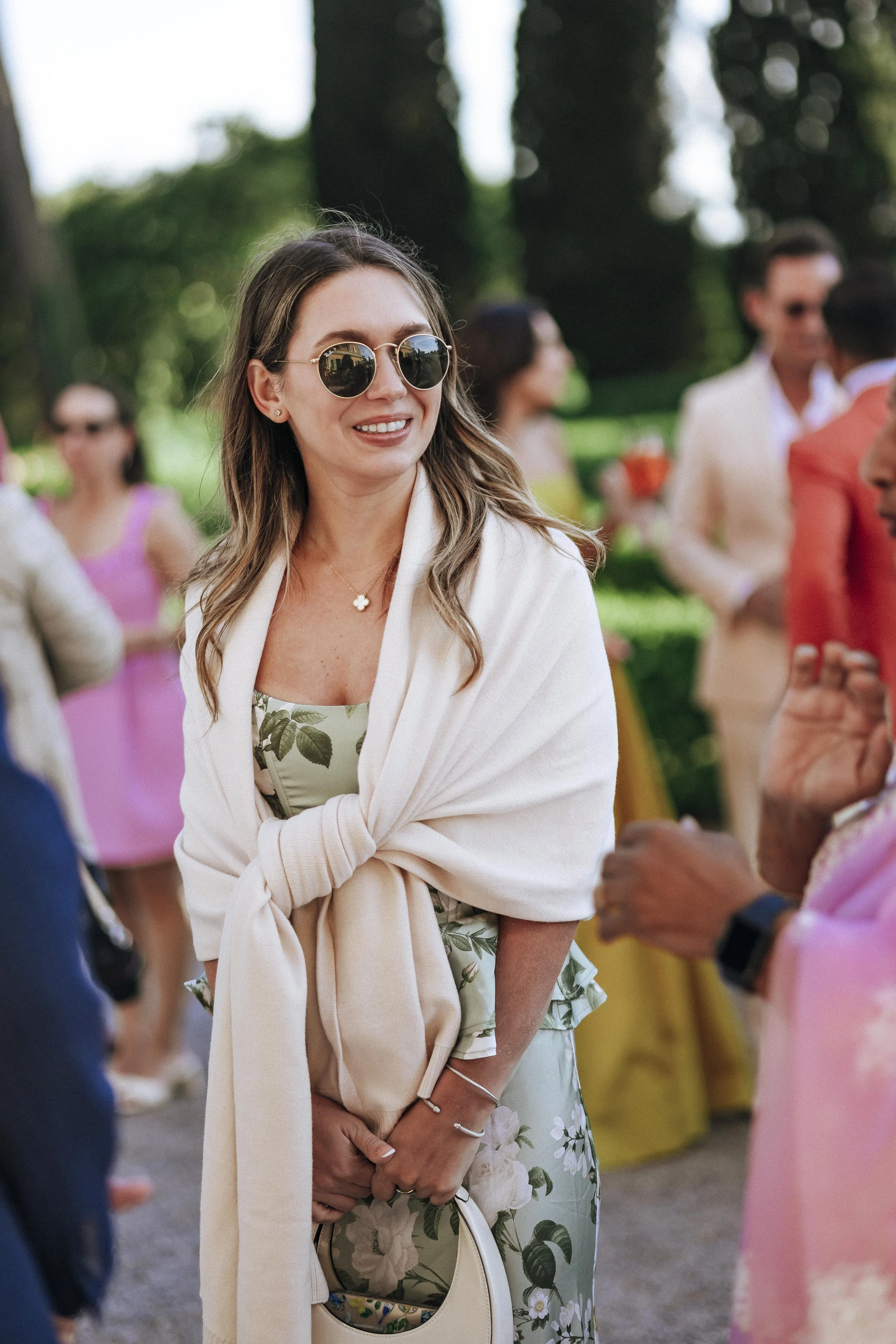
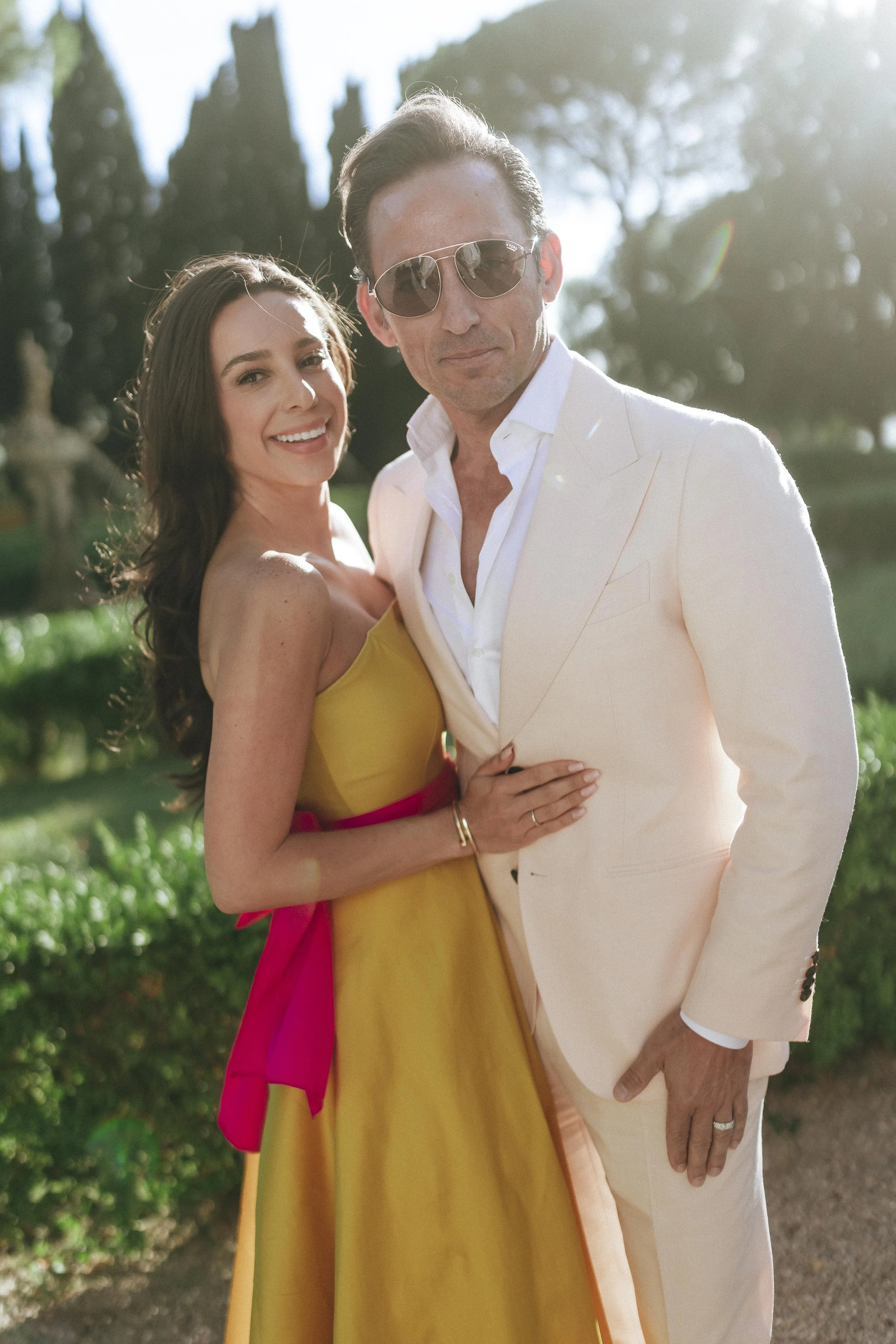
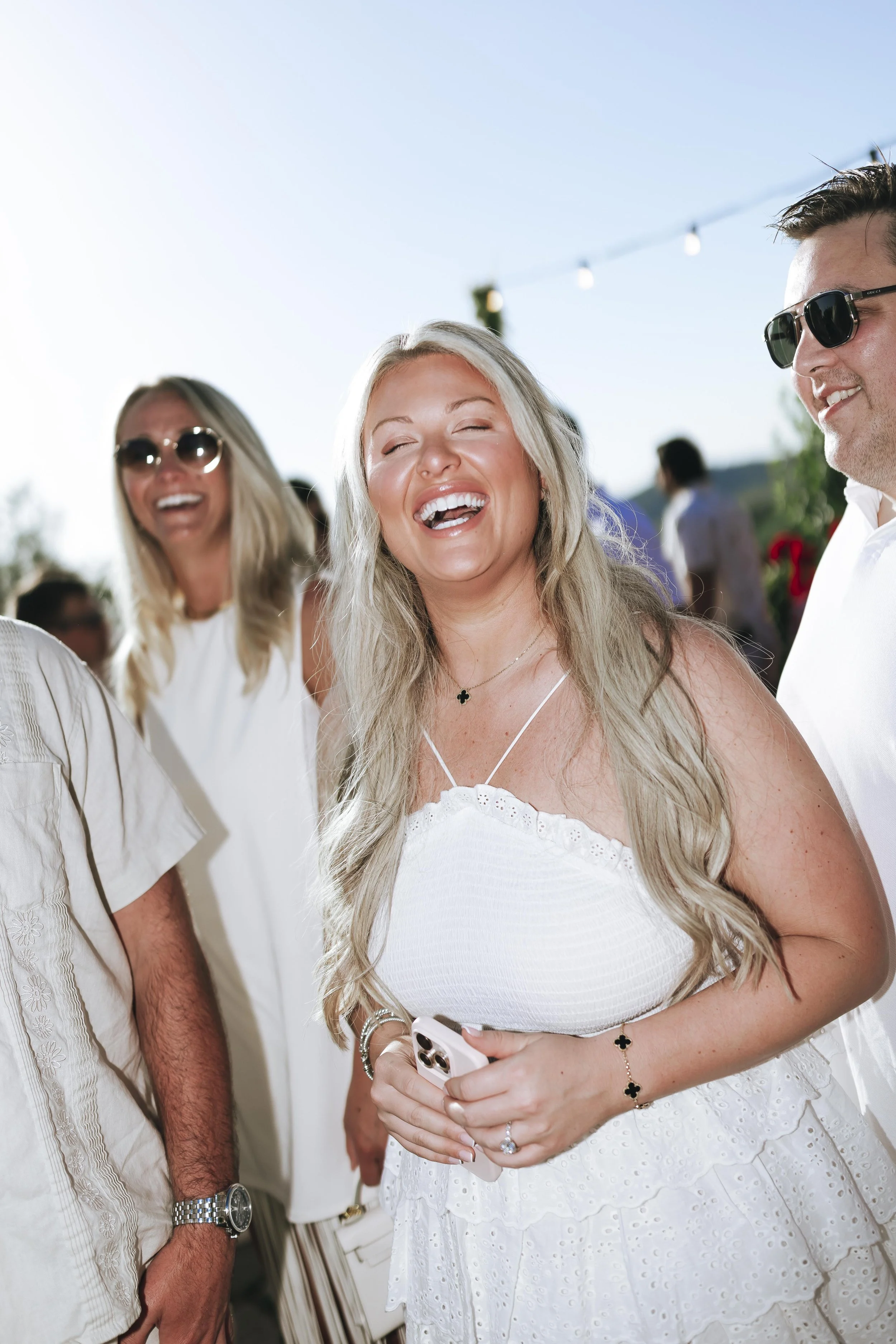
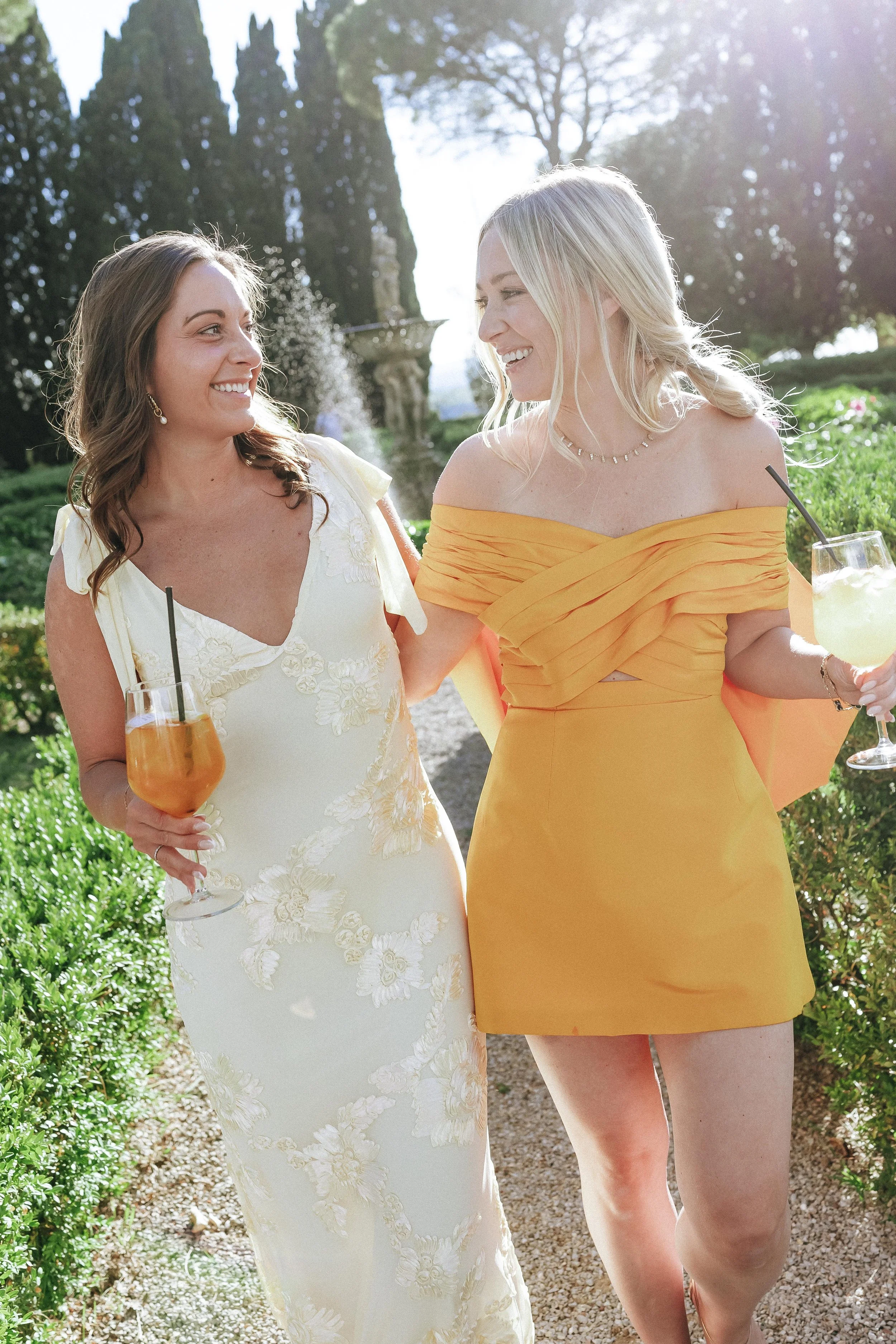
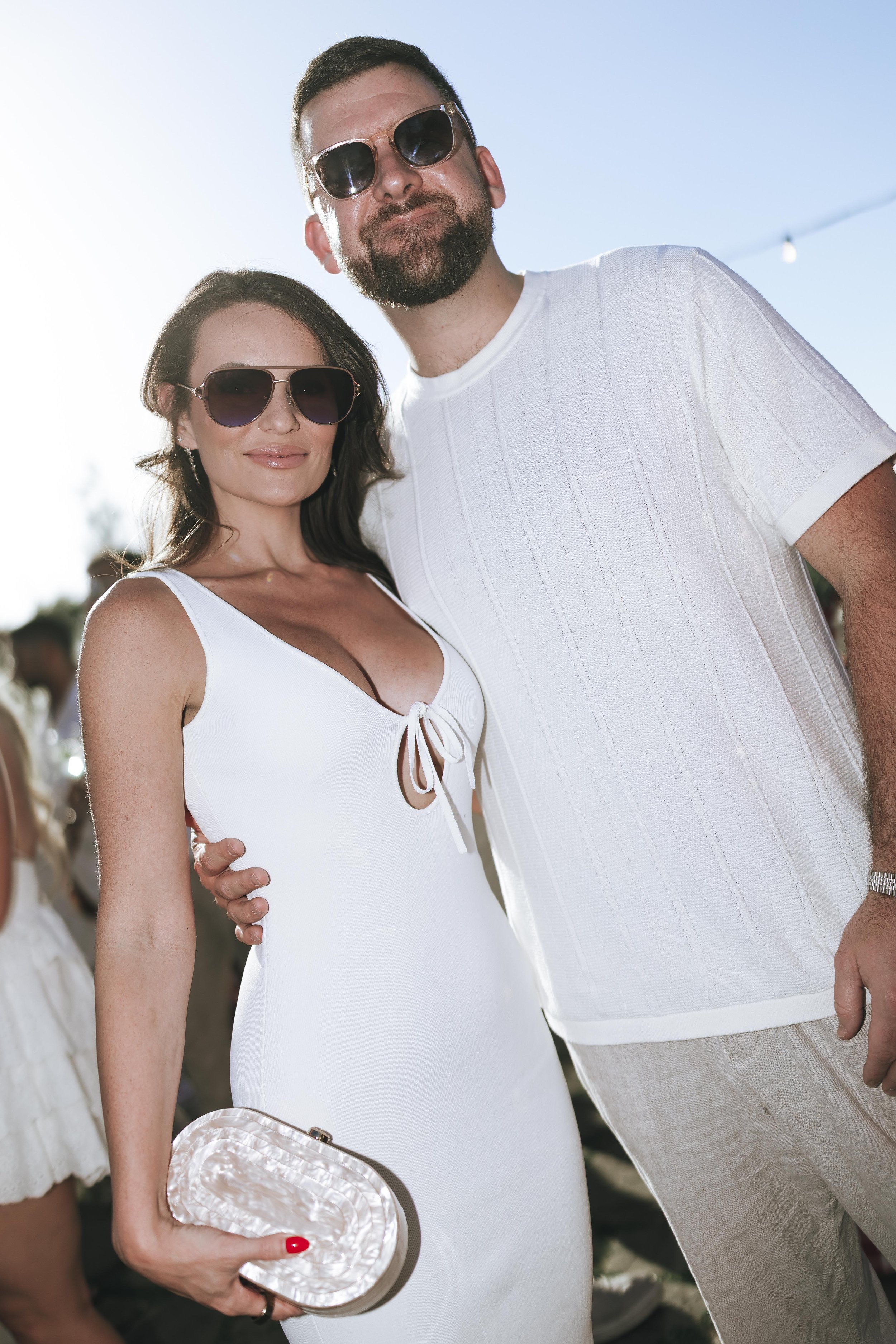
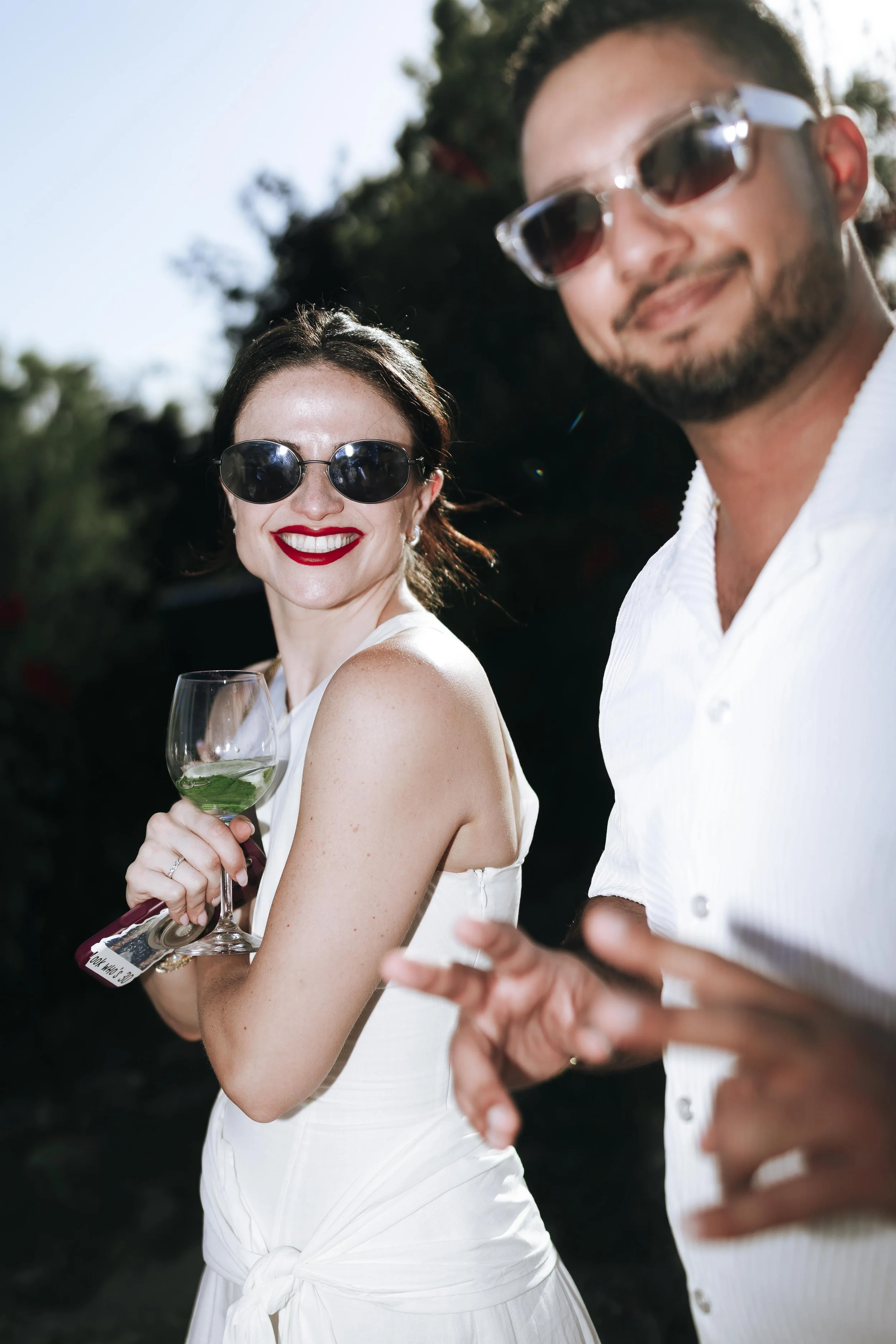
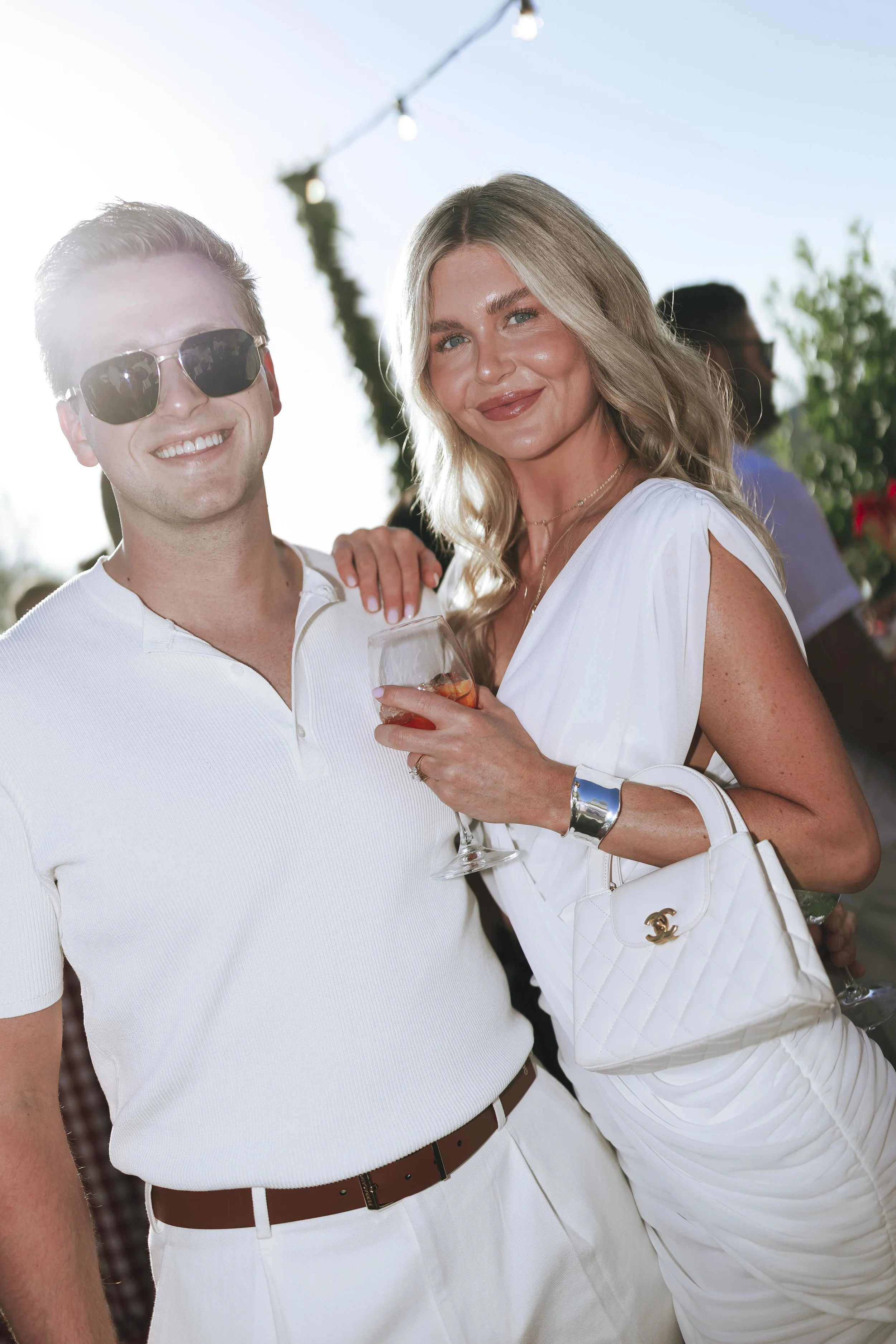
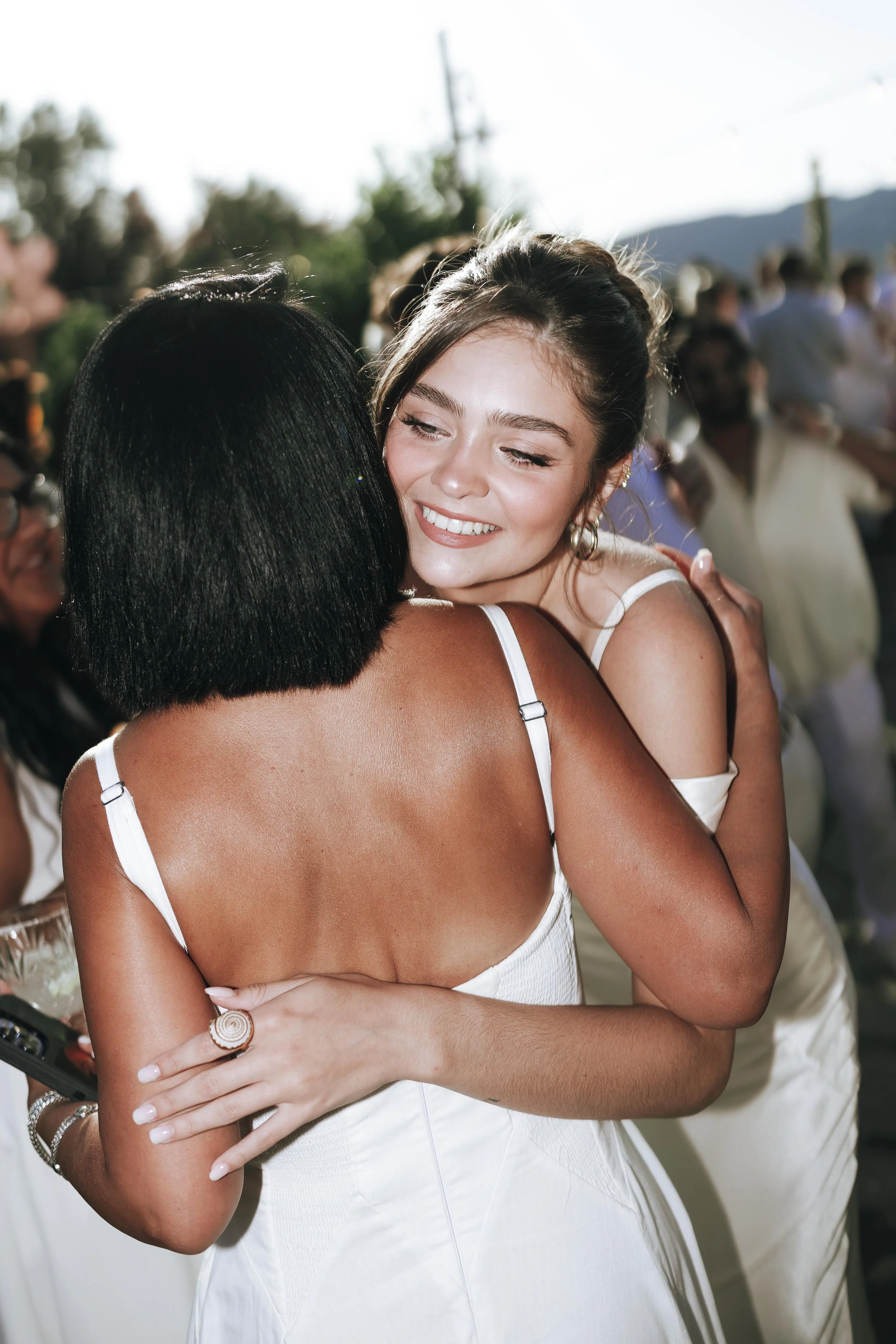
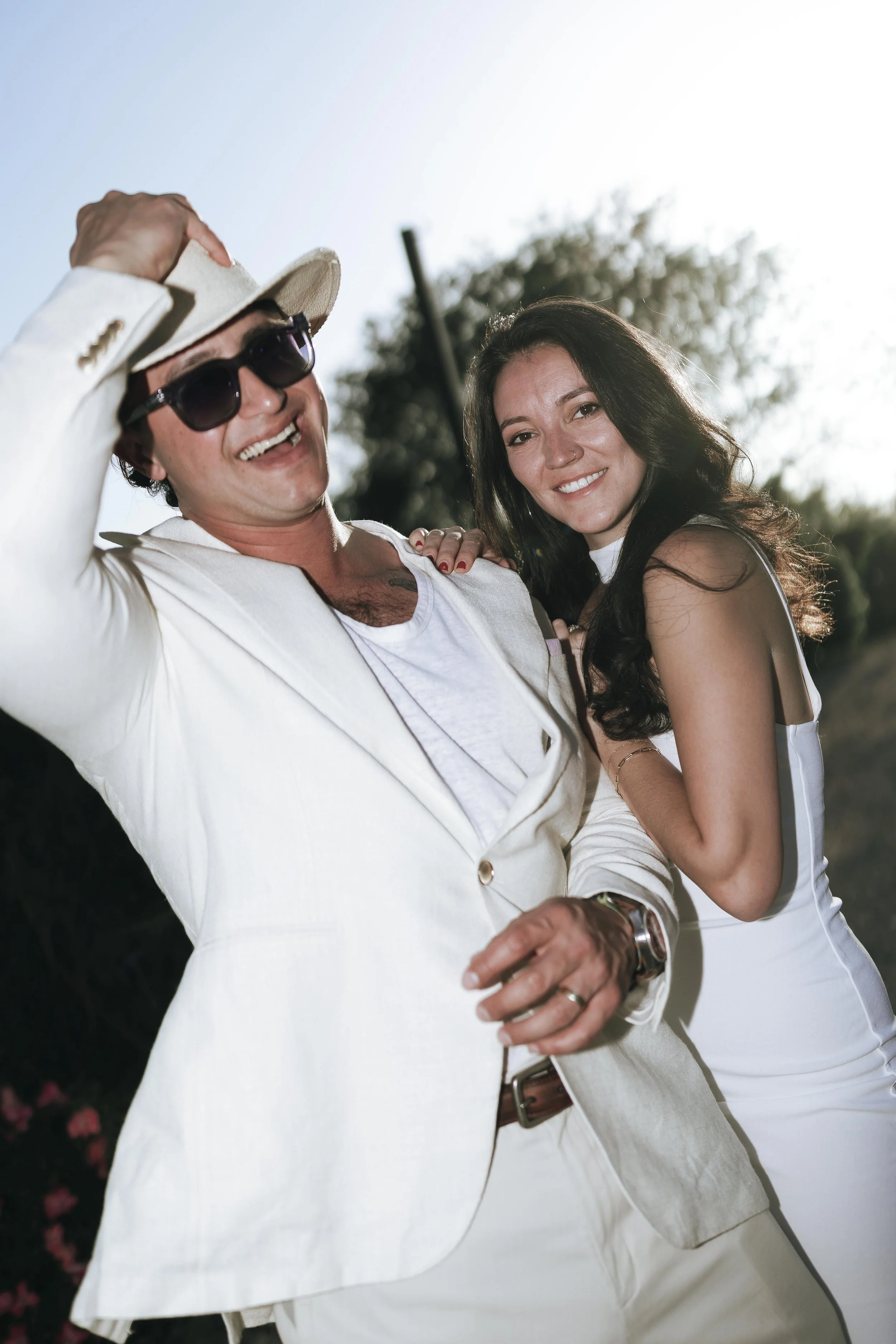
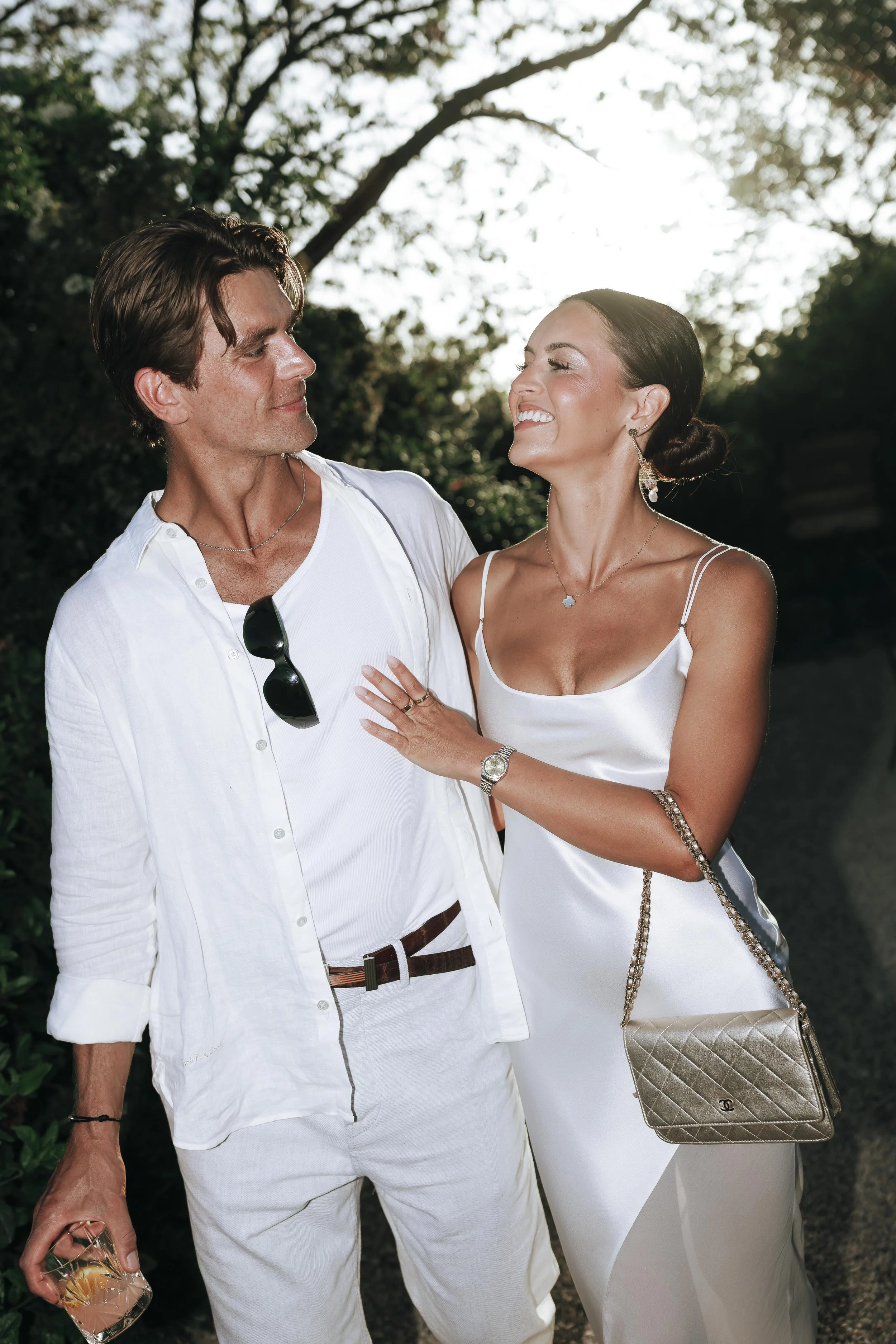
One of the biggest advantages of photographing the welcome party is the opportunity to capture everyone properly.
On the wedding day, photographers naturally focus most of their attention on:
The couple
Parents and immediate family
Bridesmaids and groomsmen
Key moments and events
Guest photography is generally limited to cocktail hour and a few moments throughout the day.
The welcome party creates an entirely different environment.
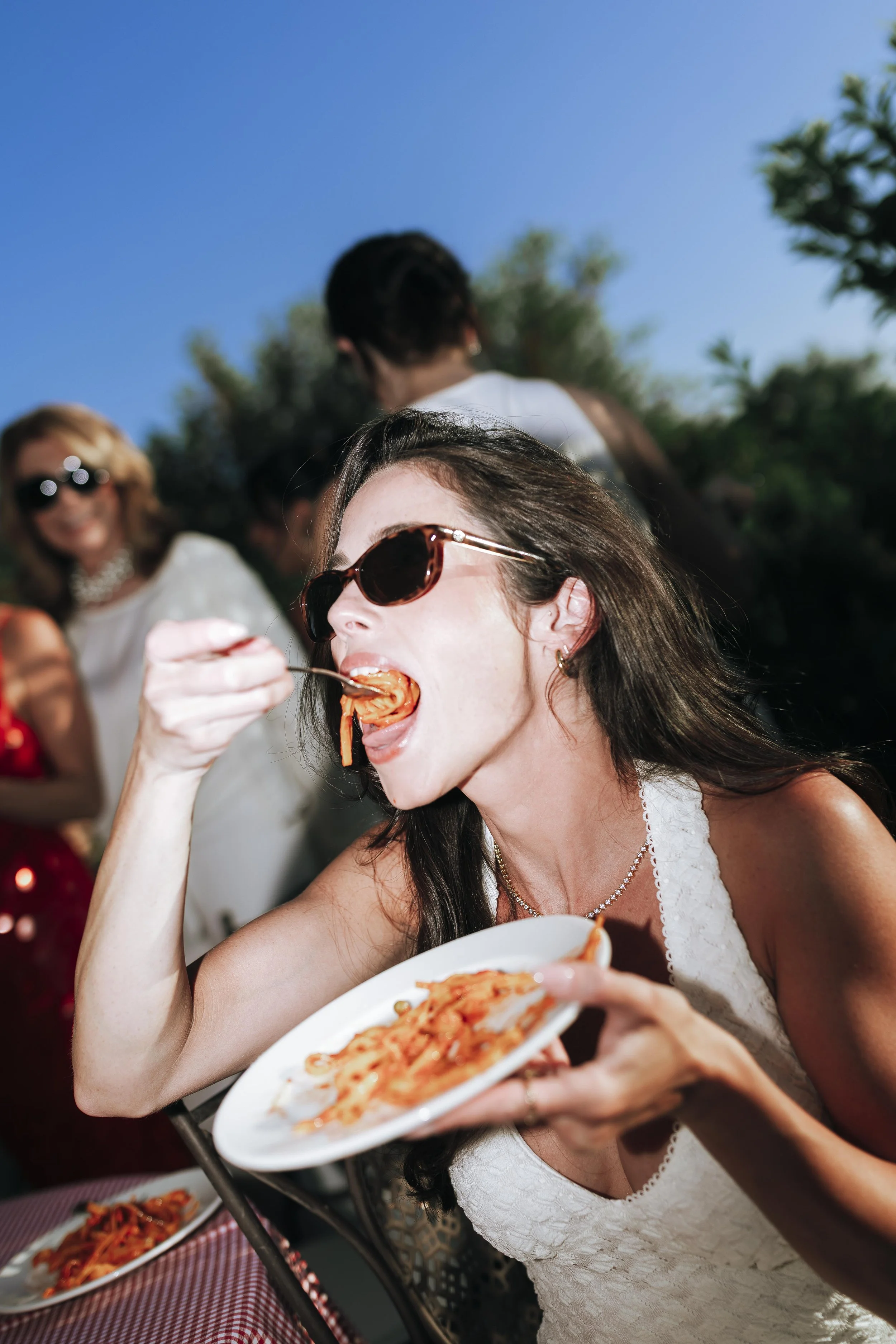
People are relaxed, socializing, laughing, and interacting naturally. It gives photographers time to create beautiful portraits and candid photographs of the people who matter most.
After all, your guests are not simply attendees. They are the people you love enough to invite across the world to celebrate with you.
Beautiful Gifts for Family and Friends
Many couples tell us that some of their favorite images are not from the ceremony itself, but from the spontaneous moments shared with friends and family throughout the wedding weekend.
Having beautiful photographs of grandparents, childhood friends, cousins, and lifelong companions is a gift that becomes more valuable every year.
A Chance to Get Comfortable in Front of the Camera
Most couples spend months worrying about being photographed.
The welcome party provides a wonderful opportunity to ease into the experience.
By the wedding day:
The couple already knows the photographers
The photographers understand the couple's personalities
Everyone feels more relaxed and confident
This often results in more natural and authentic photographs throughout the wedding weekend.
Why Welcome Parties Are Valuable for Photographers
There is another perspective that couples rarely consider.
Welcome parties help photographers do their best work.
For destination weddings, it is common to meet the couple in person for the first time only a day or two before the wedding.
The welcome event allows photographers to:
Build trust naturally
Observe how the couple interacts together
Understand their personalities
Discover whether they prefer a documentary approach or more guided portraits
Learn which angles, expressions, and dynamics feel most natural
By the wedding day, there is already a sense of familiarity and comfort that simply cannot be created through video calls alone.
It is also a moment when photographers can experiment creatively. Without the pressure of a ceremony timeline, they can try new ideas, work with different lighting conditions, and create images that often become some of the most unique photographs of the entire wedding weekend.
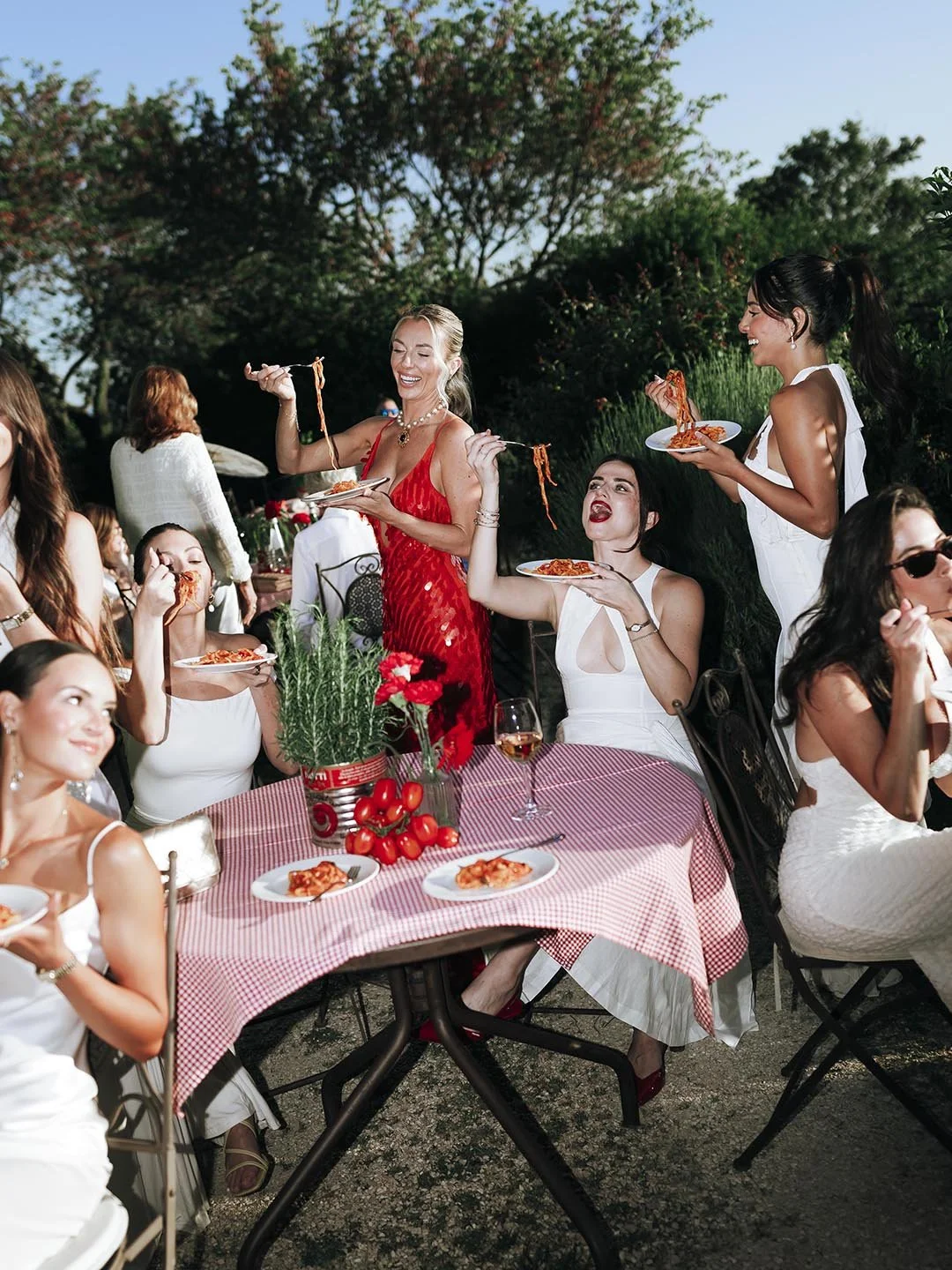
A Chance for More Creative Photography
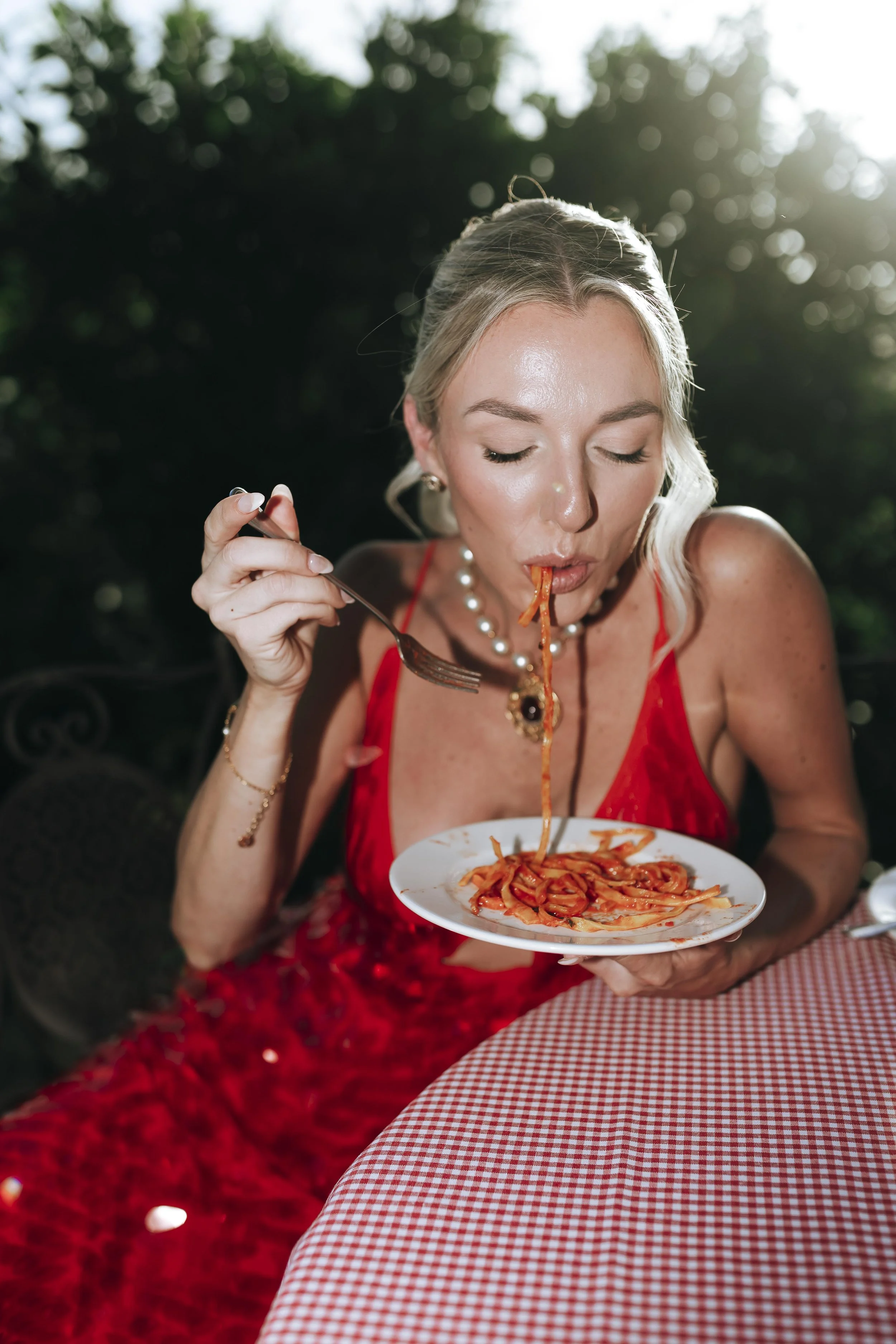
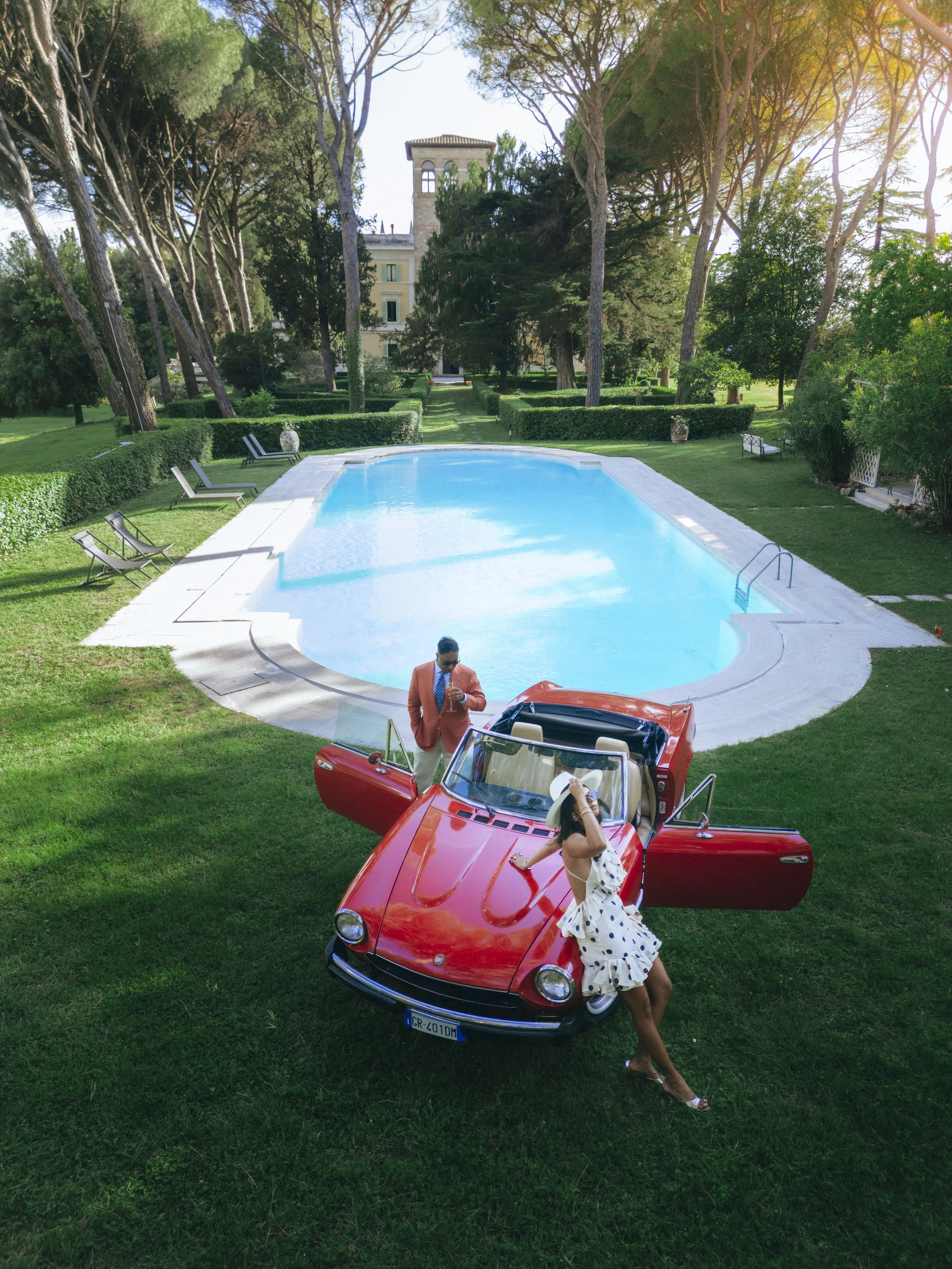
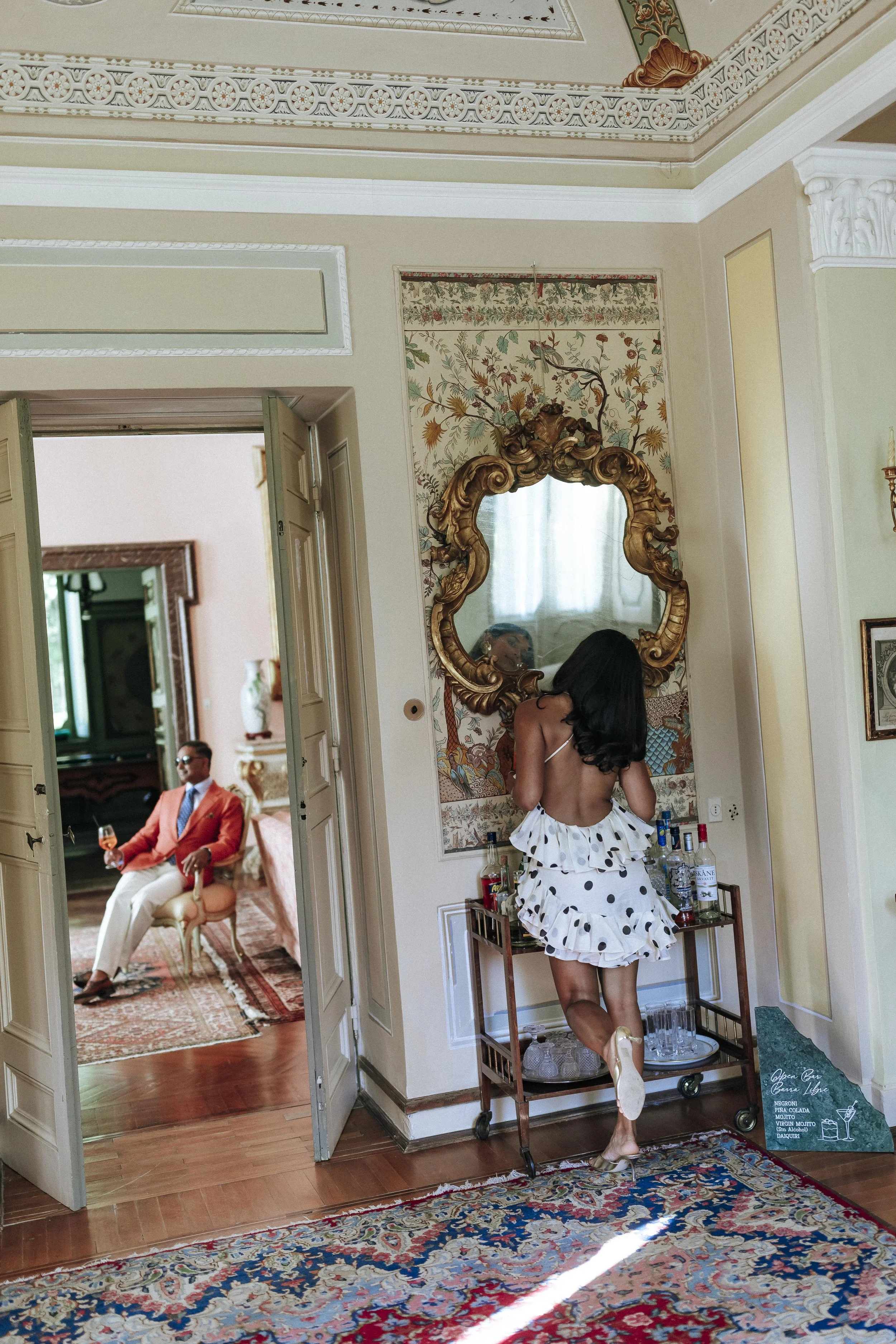
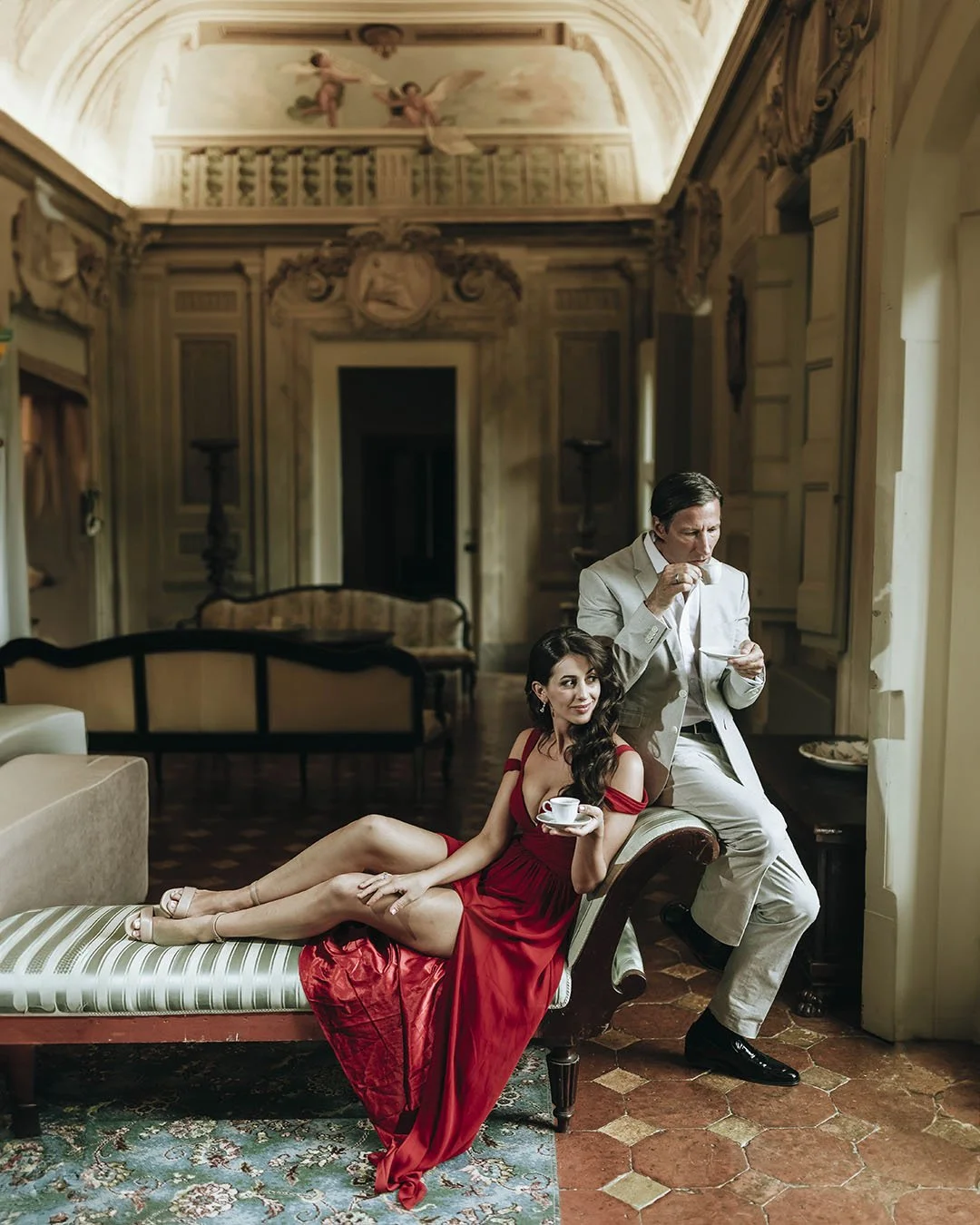
Another reason we love photographing welcome parties is the creative freedom they offer.
Unlike the wedding day, where our first responsibility is to document key moments without taking risks, the welcome party has a much more relaxed atmosphere. There is no pressure of a tight timeline, no ceremony about to begin, and no expectation that every photograph must be safe and predictable.
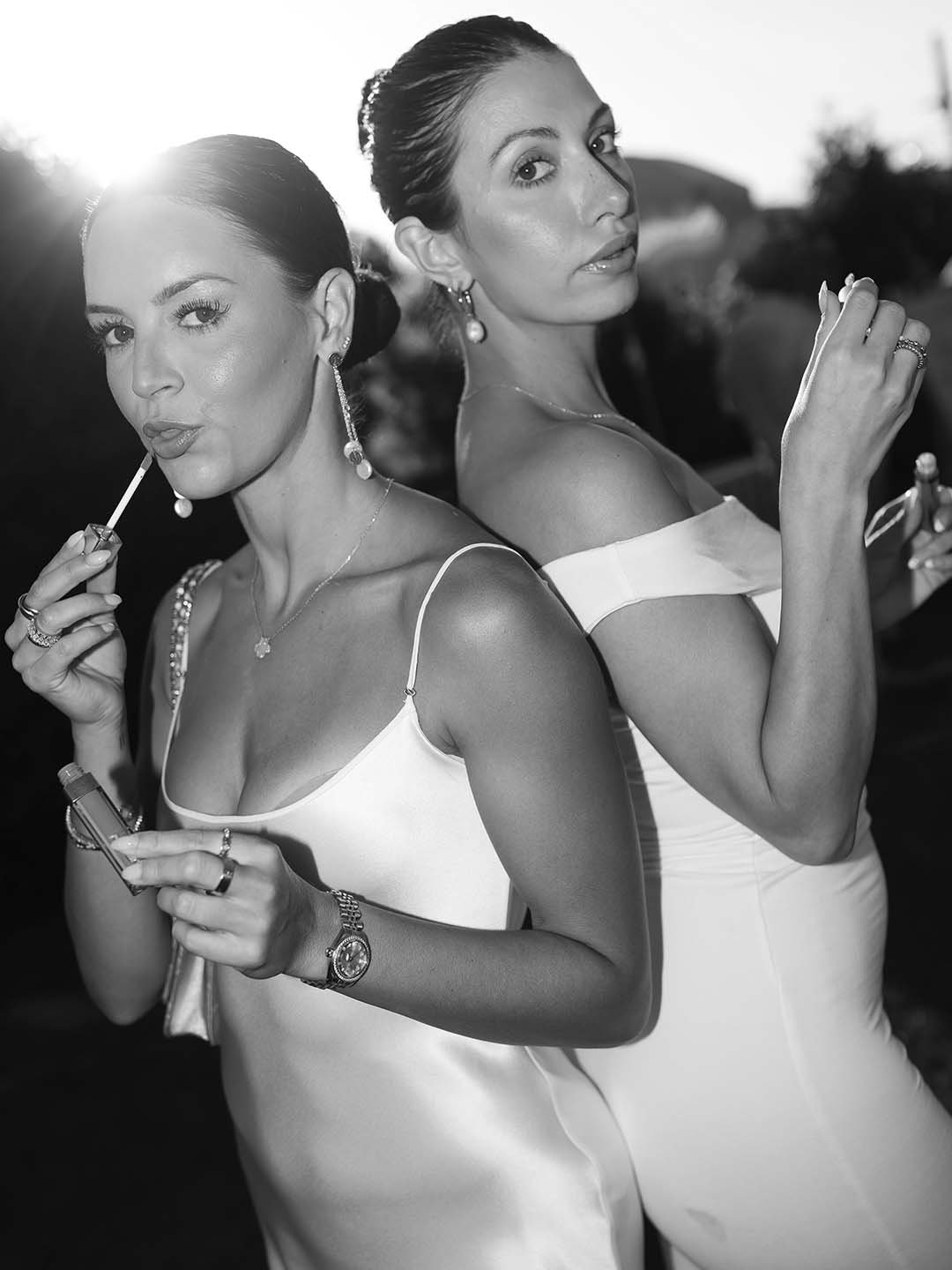
This allows us to experiment, play with light, explore unusual compositions, and create bold imagery that we might not attempt during the wedding itself. Some of our most artistic and memorable photographs are often created during these moments, when everyone is relaxed and open to spontaneity.
For couples, this means adding another layer to their wedding story: images that feel unique, creative, and different from traditional wedding photography, while still capturing the genuine excitement of the celebration that is about to begin.

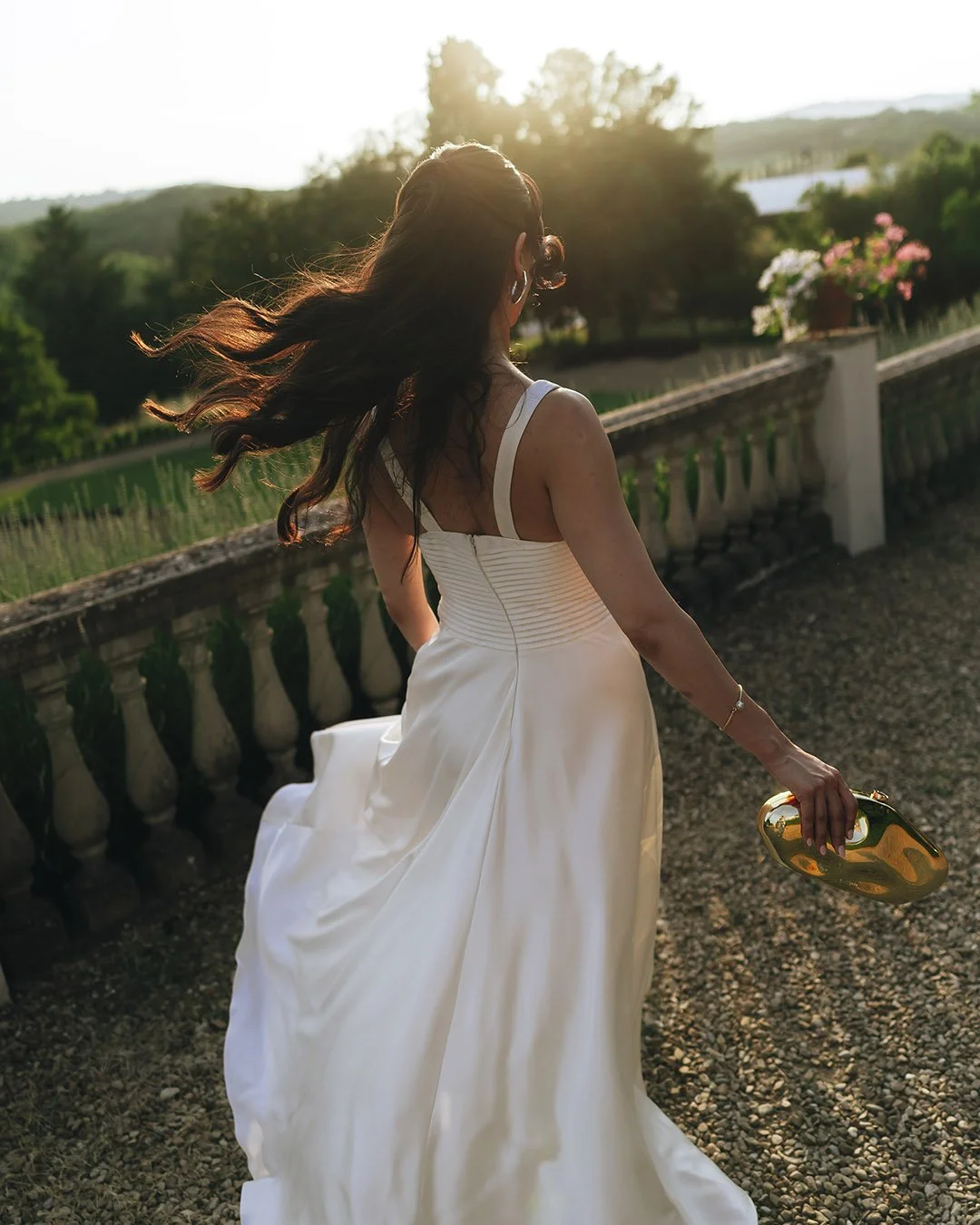
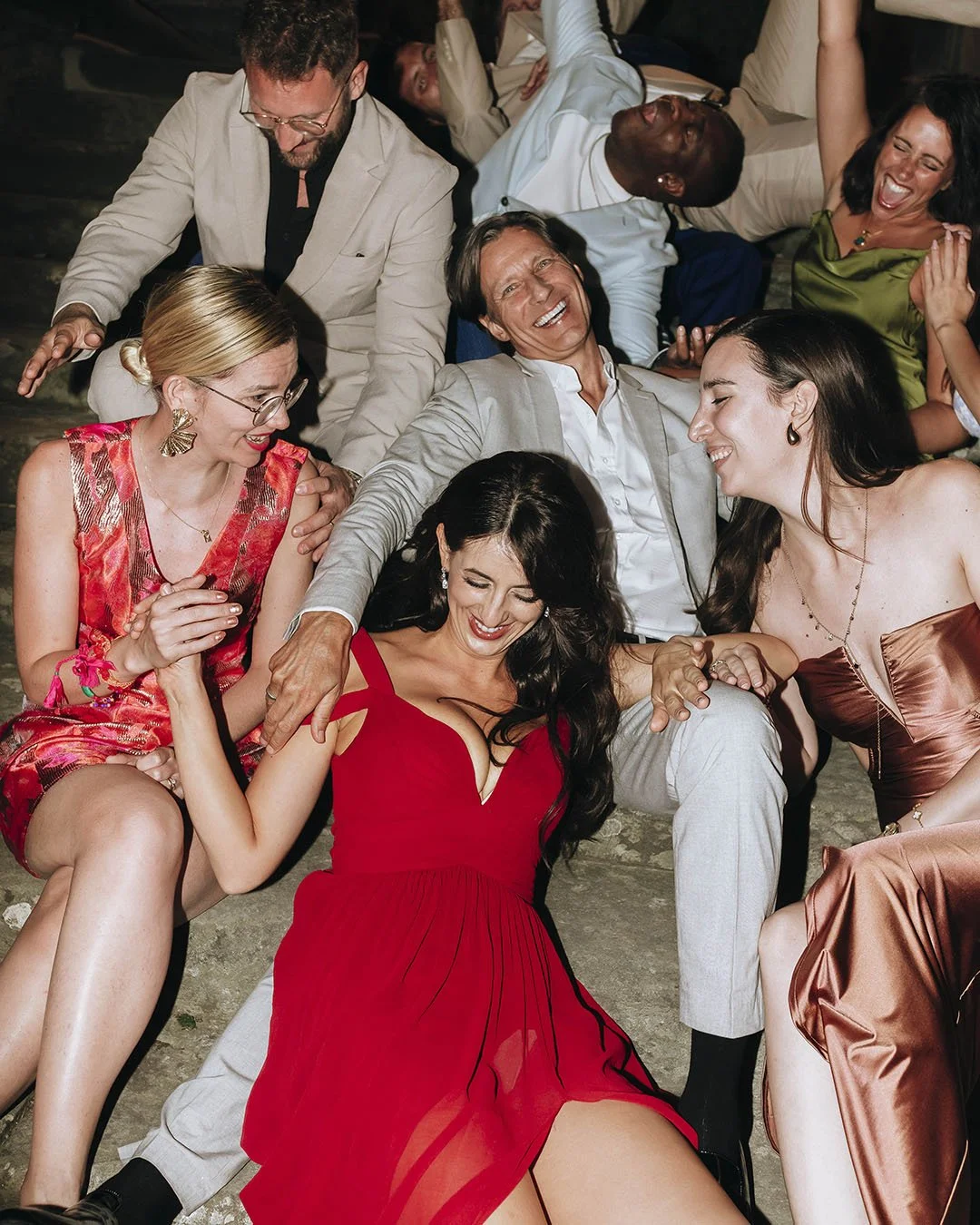
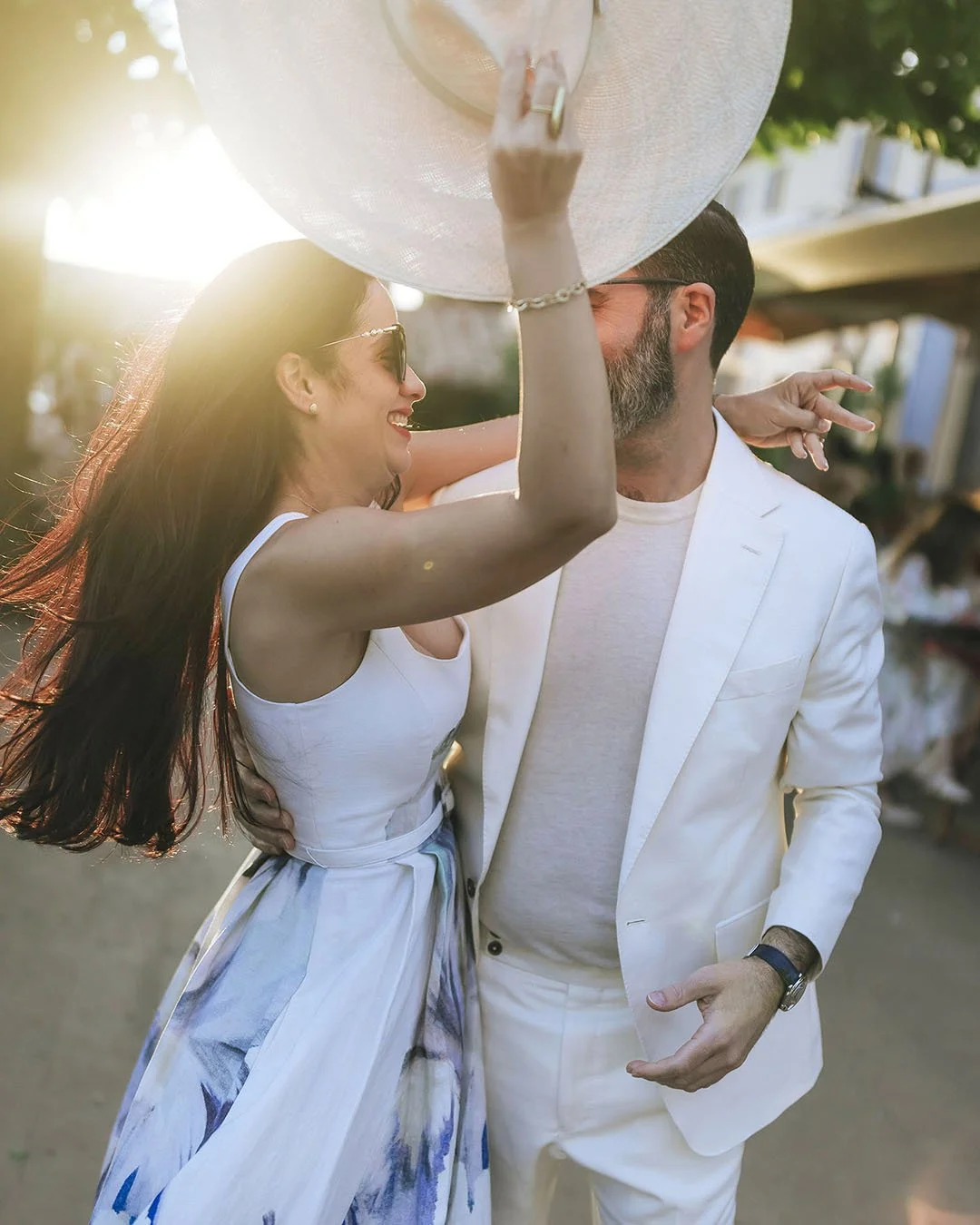
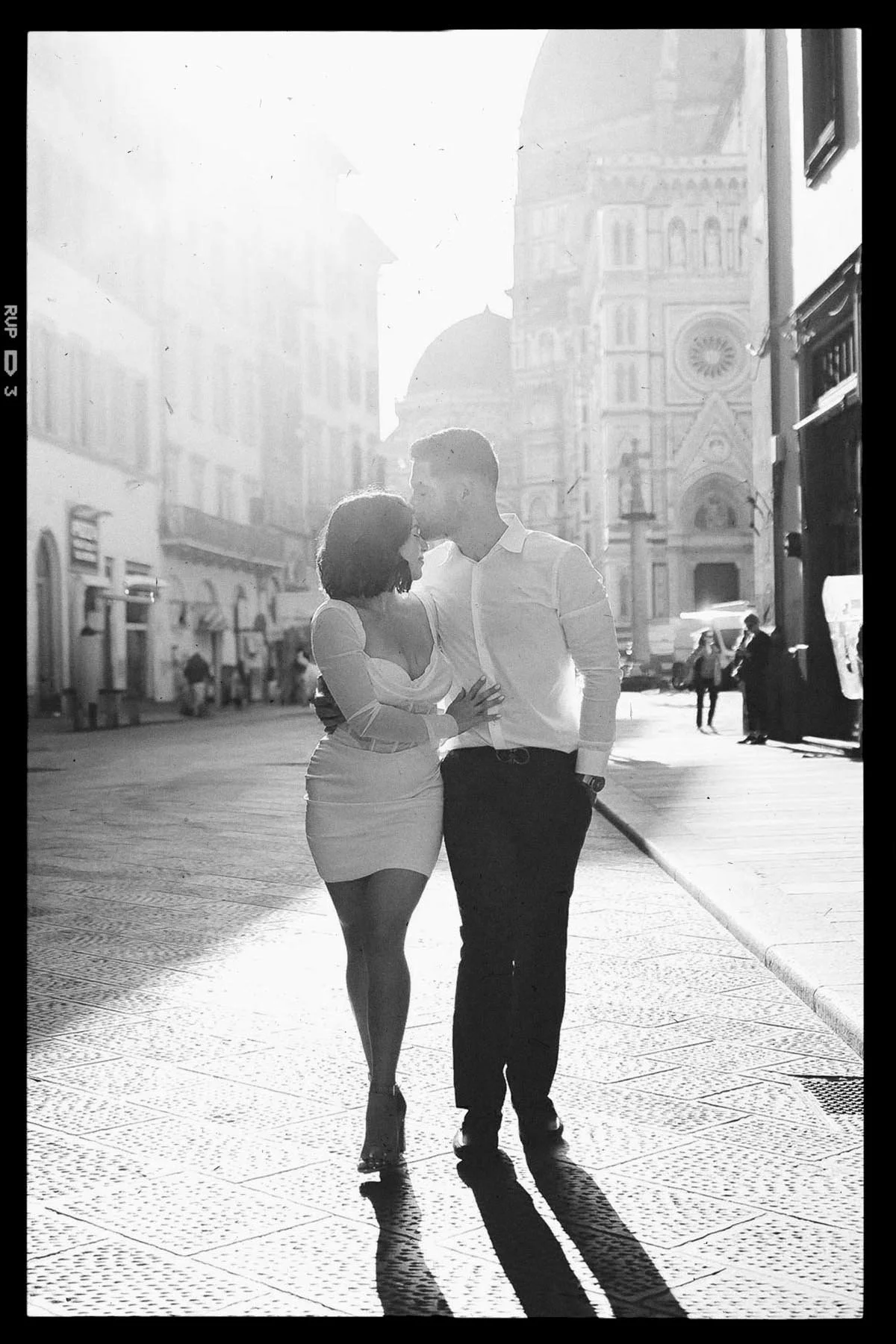
Why Welcome Parties Are Valuable for Photographers
There is another perspective that couples rarely consider.
Welcome parties help photographers do their best work.
For destination weddings, it is common to meet the couple in person for the first time only a day or two before the wedding.
The welcome event allows photographers to:
Build trust naturally
Observe how the couple interacts together
Understand their personalities
Discover whether they prefer a documentary approach or more guided portraits
Learn which angles, expressions, and dynamics feel most natural
By the wedding day, there is already a sense of familiarity and comfort that simply cannot be created through video calls alone.
It is also a moment when photographers can experiment creatively. Without the pressure of a ceremony timeline, they can try new ideas, work with different lighting conditions, and create images that often become some of the most unique photographs of the entire wedding weekend.

What Is the Best Month to Get Married in Siena and Tuscany? A Local Photographer’s Honest Guide
What is the best month to get married in Siena Tuscany?
One of the questions we receive most often from couples planning a wedding in Tuscany is:
“You think it’s gonna rain on our wedding? “Or it’s gonna be too hot?”
There is no perfect answer. Every season in Tuscany has a different risk.
After years of photographing weddings in Siena, Chianti, Val d’Orcia, and across Tuscany, we learned that choosing the right month is not only about aesthetics. It is also about understanding weather, temperatures, guest comfort, dinner timing, and how important outdoor moments really are for your vision of the day.
Many couples imagine golden sunsets, ceremonies in the gardens, and long dinners under the stars. But weather here can change dramatically depending on the season and even from one year to another.
Over the last few years, we’ve seen more and more online discussions warning couples about the “extreme heat” of Tuscany during the summer months. Honestly, we often find this a bit misleading.
First of all, temperatures in Tuscany are absolutely manageable and not dramatically different from many parts of the United States or other popular summer destinations. Secondly, many couples become so afraid of the heat that they end up choosing months with a much higher risk of rain, cold evenings, and unstable weather.
Our advice is simple: don’t be afraid of the Italian summer. Instead, plan the wedding day according to the Tuscan rhythm of life.
One of the biggest mistakes we see is scheduling ceremonies too early in the afternoon during hot summer days. Real Italian weddings naturally happen later. Nobody here sits down for dinner before sunset in the middle of July.
A summer wedding in Tuscany works beautifully when the timeline is designed correctly:
slow mornings
relaxed afternoons
ceremonies closer to sunset
outdoor dinners under the stars when temperatures become soft and comfortable
In our experience, a July or August wedding with a late ceremony often feels far more pleasant than a rainy or cold spring wedding where everyone hopes to stay outside but cannot.
Weather for destination wedding in Siena
This guide is based both on climate data and, most importantly, on our direct experience photographing weddings in Tuscany over the years.
Tuscany Weather in Siena: What Couples Should Really Know
The Siena area has a classic Tuscan climate:
warm and dry summers
unpredictable springs
beautiful but riskier autumns
Tuscany has a slower spring than Umbria, Rome or Amalfi so it’s always a good choice go for intermediate months: late spring better than early spring, and early autumn better than later autumn. And every year changes! If you want to avoid risks simply go for summer months!
One important thing many couples underestimate is that temperature alone does not tell the whole story. In Tuscany humidity is a key factor: for example Florence and Chianti are more humid than Siena and val d’Orcia and more humidity means feeling more chill.
APRIL WEDDINGS
Siena, Tuscany
April Weddings in Siena: Beautiful but Unpredictable
Spring in Tuscany can be incredibly romantic. The countryside becomes green again, flowers bloom everywhere, and the landscapes feel fresh and alive. But it is slower than regions close by: we shot a wedding in Umbria where the venue (Castello di Petrata) was is full bloom and the day after in Tuscany (Borgo Stomennano) where we found a more winter vibe.
From our experience, April is also one of the trickiest months for outdoor weddings in Siena and southern Tuscany
Average daytime temperatures are around 17–18°C (63–64°F), while evenings can quickly become cold once the sun disappears. Rainfall is also relatively high, with around 60–70 mm of rain and frequent wet days during the month (according to recent dates we found online!)
make sure your venue has a beautiful indoor Plan B
consider elegant tent structures
think about blankets or heaters for dinner
avoid timelines that end too late outside
April can be magical, but flexibility is essential.
May Weddings in Tuscany: The Most Deceptive Month
Many couples believe May is automatically perfect weather in Tuscany.
Sometimes it is.
But in our experience, May is actually one of the most unpredictable months for weddings in Siena. Some years feel almost like summer, while others bring continuous rain and surprisingly cold evenings.
The chance of wet days during May remains relatively high, and temperatures usually range around:
21°C during the day
10–12°C during evenings and nights
The biggest issue is not necessarily the ceremony itself, but dinner outdoors. Guests often underestimate how cold Tuscan countryside evenings can feel in spring, especially after sunset. When this happen we talk to weddings guests and discover that they didn’t bring not even a sweater or a jacket in their suitcase. Don’t do this mistake!
If outdoor dinner is extremely important to you, we strongly recommend having:
elegant tensile covers
greenhouse structures
a stunning indoor reception room
backup lounge areas
A beautiful Plan B is never wasted in Tuscany.
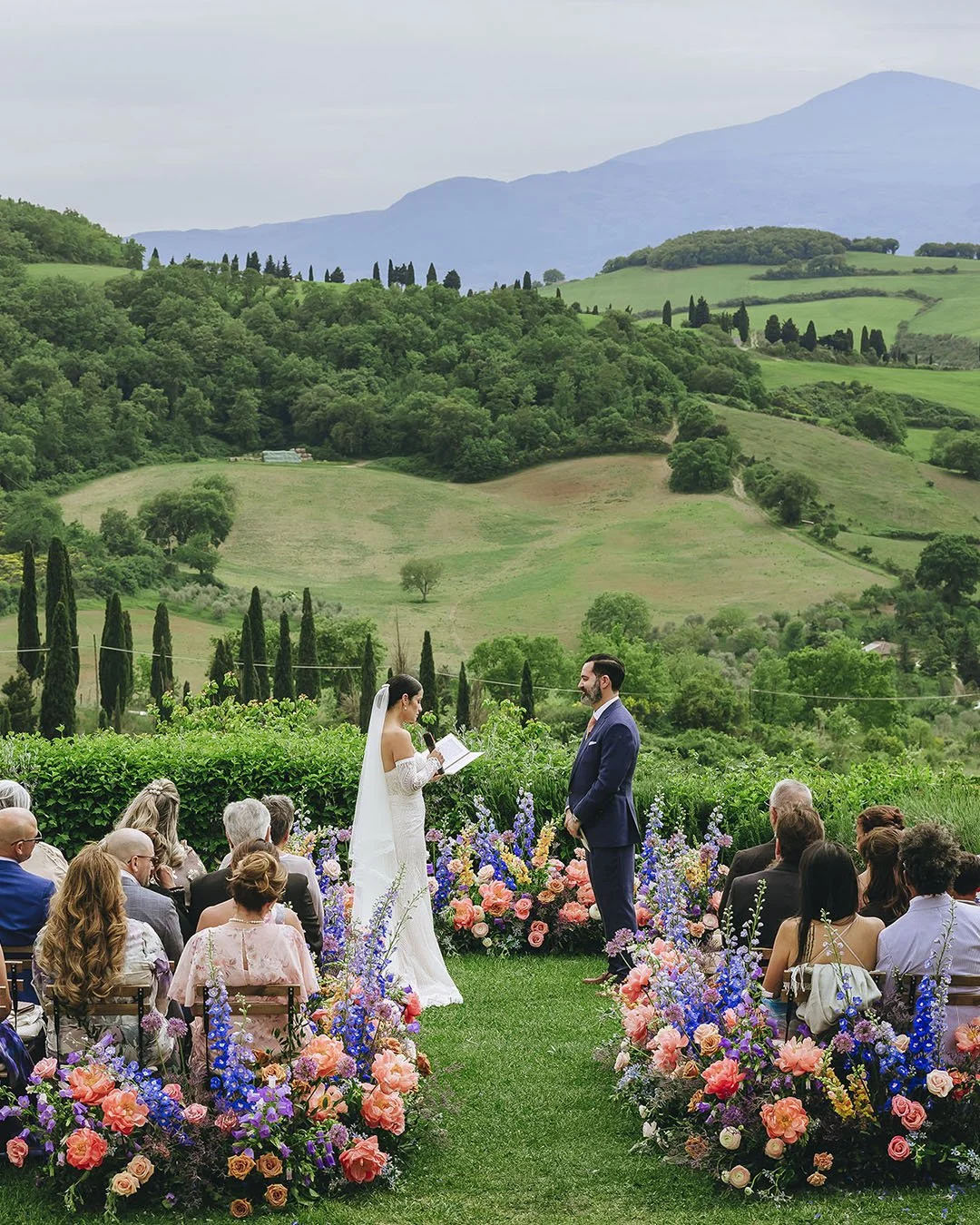
MAY WEDDINGS
Siena, Tuscany
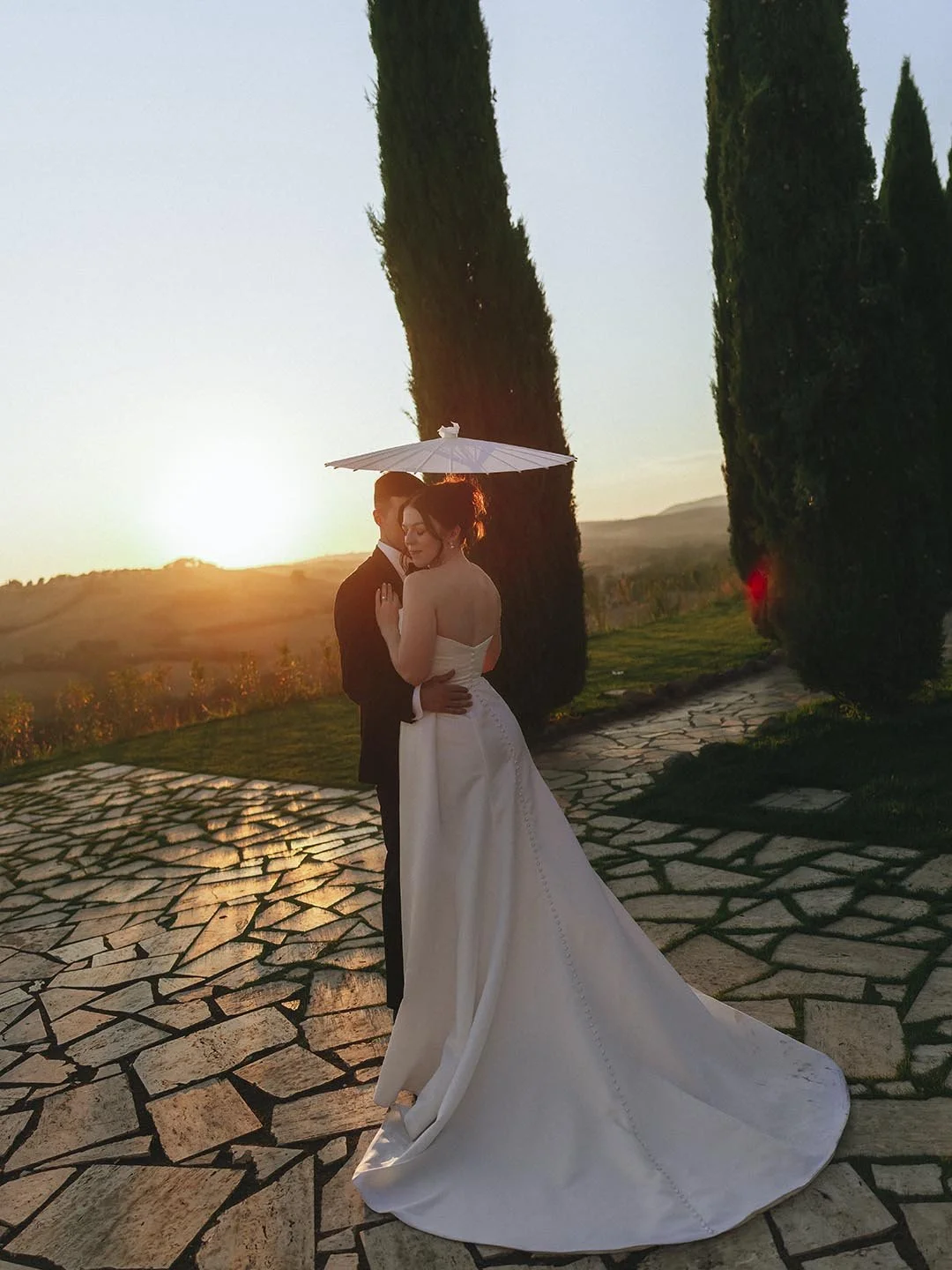
JUNE WEDDINGS
Siena, Tuscany
June Weddings in Siena: Our Favorite Balance
From our experience, mid-June is when Tuscany truly starts becoming reliable for outdoor weddings.
The landscapes are still green, sunsets become long and golden, and temperatures are usually perfect for ceremonies and dinners outside.
Average temperatures in Siena during June:
25–27°C during the day
13–15°C at night
Rainfall also drops significantly compared to spring months.
This is often the moment where Tuscany feels exactly how couples dream it:
warm evenings
outdoor aperitivo
long dinners under olive trees
beautiful golden hour light
comfortable temperatures late into the night
If we had to choose one overall balance between weather, landscapes, light, and comfort, June would probably be our personal favorite month.
July and August Weddings: Better Than Most Couples Expect
Many international couples are afraid of July and August because they imagine unbearable heat.
But Tuscany weddings naturally happen later in the day compared to other countries.
If the ceremony starts around 5–6 PM, temperatures become much softer and the experience can actually feel amazing.
July and August are usually:
the driest months
the safest for outdoor weddings
the most reliable for al fresco dinners
Average temperatures:
30–32°C during the day
around 18–20°C during evenings
The biggest advantage is stability.
You can realistically plan:
outdoor ceremony
cocktail hour outside
dinner under the stars
dancing outdoors
with much lower weather risk compared to spring or autumn weddings.
The key is simply avoiding early afternoon ceremonies.
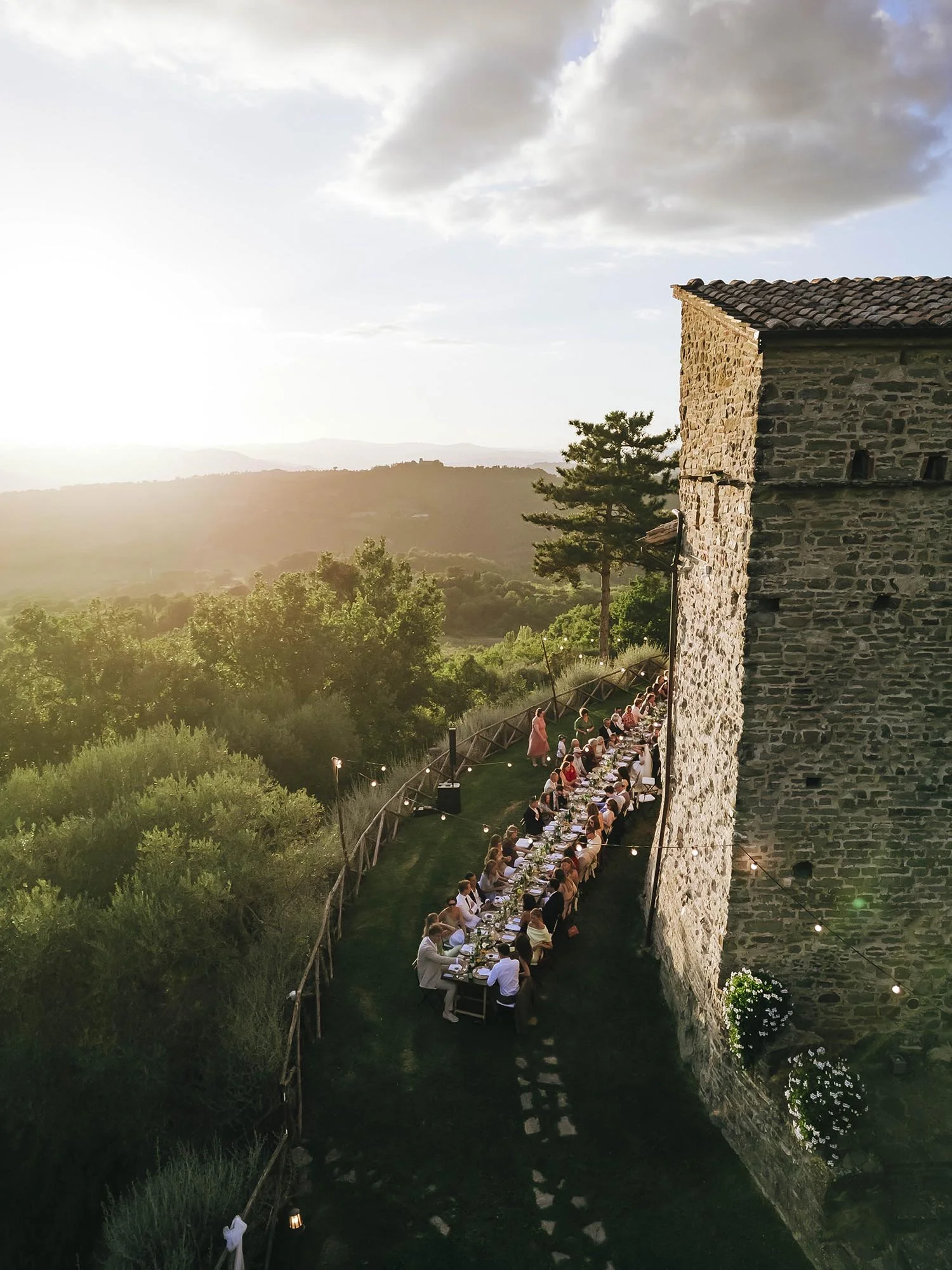
July & August weddings
Siena, Tuscany
You should also consider where your venue is located: a place low in a valley like Villa Medicea di Lilliano or Villa la Selva is probably warmer than others that are on top of hills like Castello la Leccia, Terre di Nano, Borgo Laticastelli.
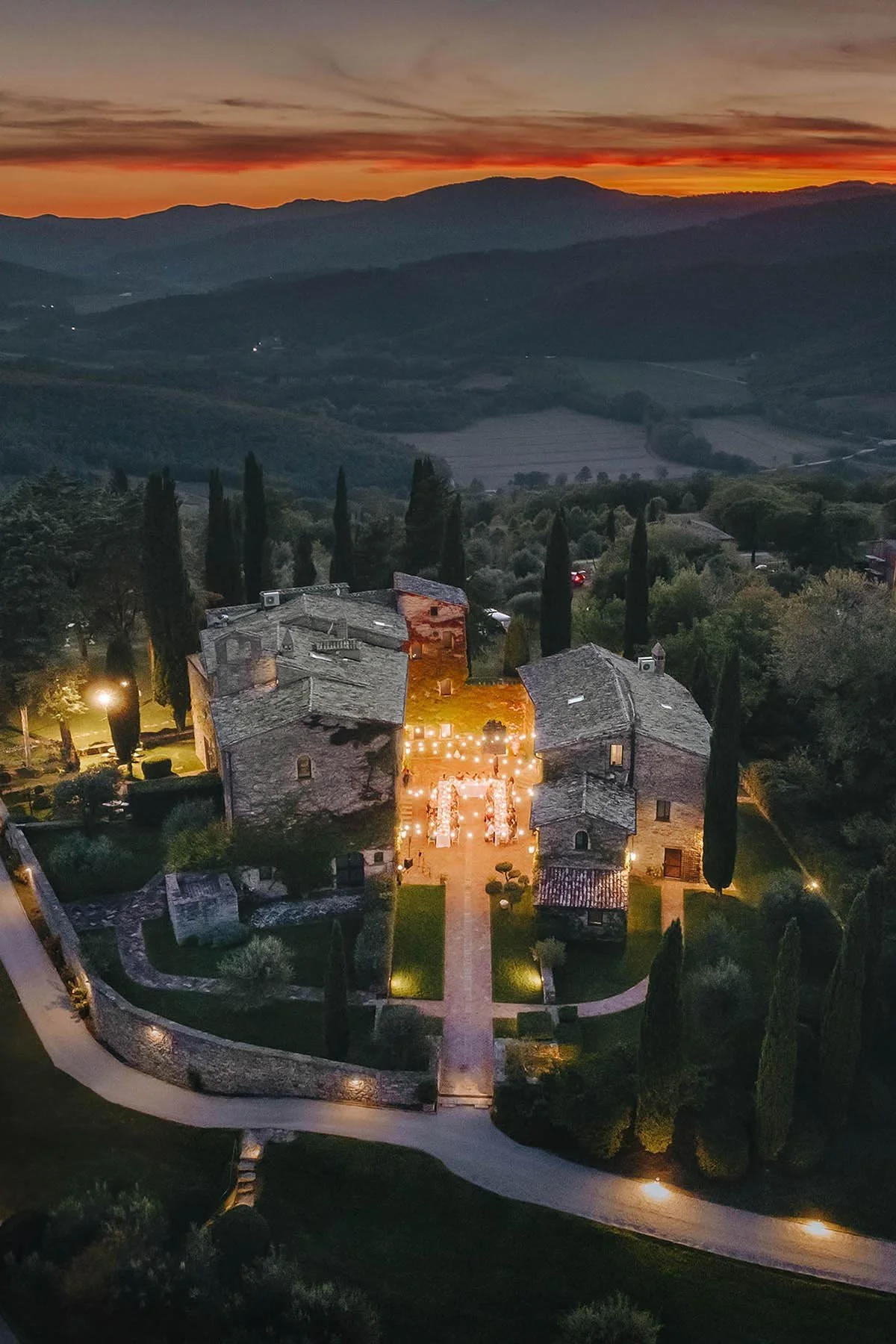
SEPTEMBER WEDDINGS
Siena, Tuscany
September Weddings in Tuscany: Golden and Emotional
September is one of the most beautiful months in Tuscany emotionally and visually.
The summer heat softens, vineyards become golden, and sunsets feel incredibly cinematic.
However, weather starts becoming less stable compared to July and August. Rainfall increases again in September, especially toward the end of the month.
Temperatures remain very pleasant:
around 25–26°C during the day
cooler but comfortable evenings
Italian love to get married in September for a reason, and is wonderful for couples wanting:
softer light
less intense heat
harvest atmosphere
warm but elegant evenings
But we still recommend having a strong Plan B ready.
October Weddings in Siena: Beautiful but Risky
October weddings in Tuscany can feel incredibly atmospheric.
The colors become deeper, the countryside changes tone, and candlelit dinners inside historic villas can feel extraordinary.
But for outdoor weddings, October becomes significantly riskier.
Rainfall rises sharply during this period, with approximately 75–100 mm of rain and more frequent rainy days.
Average temperatures drop to:
around 20°C during the day
around 10°C in the evening
From our experience, October weddings work beautifully when couples embrace:
indoor candlelit atmospheres
fireplaces
wine estate vibes
cozy elegant receptions
But if your dream is a fully outdoor wedding from ceremony to party, October may not be the safest choice.
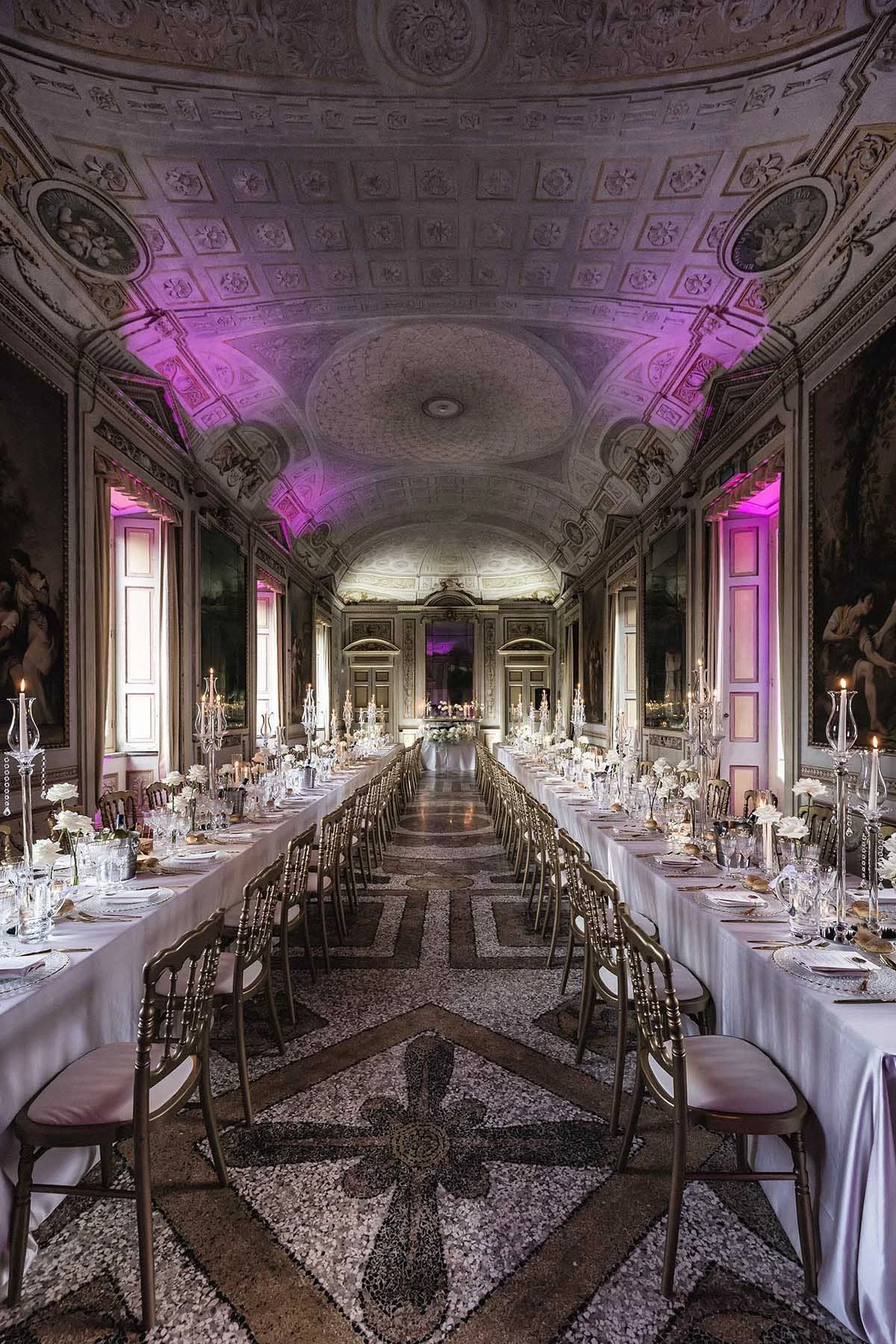
october weddings
Siena, Tuscany
Our Honest Advice About Plan B in Tuscany
One thing we always tell our couples:
Never choose a venue only for its outdoor spaces.
In Tuscany, weather can surprise you even during summer.
The best venues are the ones where Plan B feels just as beautiful and intentional as Plan A.
Some practical solutions we strongly recommend:
elegant transparent tents
covered courtyards
beautiful indoor dinner rooms
villas with character-rich interiors
venues with flexibility between indoor and outdoor spaces
A good Plan B reduces stress enormously and allows everyone — including the couple — to fully enjoy the experience no matter what happens.
3 mistakes to avoid when getting married in siena tuscany
3 mistakes to avoid when planning your wedding in Siena, Tuscany
Planning a wedding in Siena means stepping into one of the most beautiful landscapes in Italy. Rolling hills, cypress trees, golden sunsets, medieval villages — Tuscany already offers an atmosphere that feels cinematic without trying too hard.
After years of photographing weddings in Siena and across Tuscany, we noticed that the weddings that feel the most authentic, emotional, and timeless are not always the most expensive ones. They are the ones where couples make thoughtful choices and truly embrace the spirit of the place.
Here are the 3 biggest mistakes we suggest avoiding when planning your wedding in Siena.
1. Spending Your Budget on the Wrong Things
One of the most common mistakes we see is allocating too much budget to elements that are not truly necessary, while saving money on the things that actually shape the experience of the day.
For example, many couples dream of huge floral installations for the ceremony. While flowers are beautiful, Tuscany already gives you something extraordinary: the landscape itself.
In most wedding venues in Siena, the rolling hills, vineyards, olive trees, and cypress-lined horizons are already a massive part of the visual experience. The scenery has a strong voice on its own. Flowers should enhance the atmosphere, not fight against it.
The same applies to catering. Expensive does not always mean more authentic or more memorable. Some caterers charge extremely high prices while offering experiences that feel overly formal or disconnected from Tuscan culture. Meanwhile, there are incredible local caterers who create warm, authentic food experiences with amazing ingredients and much more reasonable costs.
Our advice is simple: invest in what guests will truly remember — atmosphere, food, music, photography, and the feeling of the experience as a whole.
2. Choosing the Wrong Season for Your Dream Wedding
Almost every couple dreams about an outdoor ceremony in the gardens and dinner al fresco under the Tuscan sky.
But weather is one of the most underestimated factors when planning a wedding in Siena.
Spring in Tuscany can be incredibly unpredictable. Some years are sunny and warm from April, while other years can be cold, rainy, and unstable until late May.
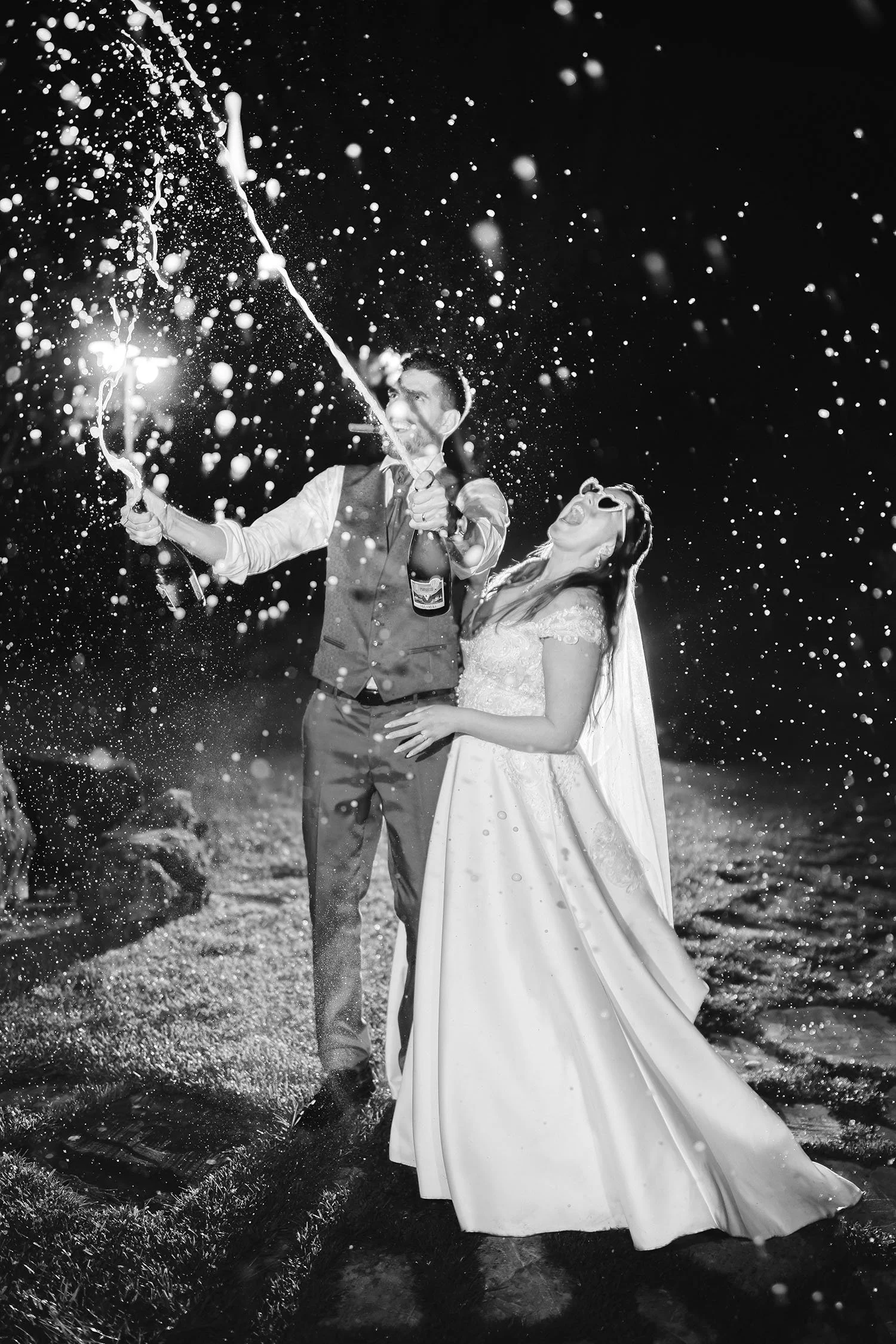
If having an outdoor ceremony and dinner outside is extremely important to you, it’s worth considering the real Tuscan summer. In our experience, the weather becomes much more reliable from mid-June onward.
July and August are actually amazing months to get married in Tuscany. The landscapes are glowing, sunsets are long and golden, and outdoor dinners feel magical.
Many couples worry too much about the heat, but the solution is usually very simple: avoid scheduling key moments too early in the afternoon. Tuscan weddings naturally work beautifully later in the day, when temperatures become softer and the light turns incredible.
3. Creating the Wrong Timeline for the Day
A wedding timeline can completely change the energy and experience of the entire celebration.
The most important factors to plan carefully are the getting ready moments and the dinner timing.
If the beauty team runs late during preparations, the delay affects every single vendor involved. The ceremony starts late, portraits become rushed, guests wait too long, and the overall atmosphere can become stressful instead of relaxed.
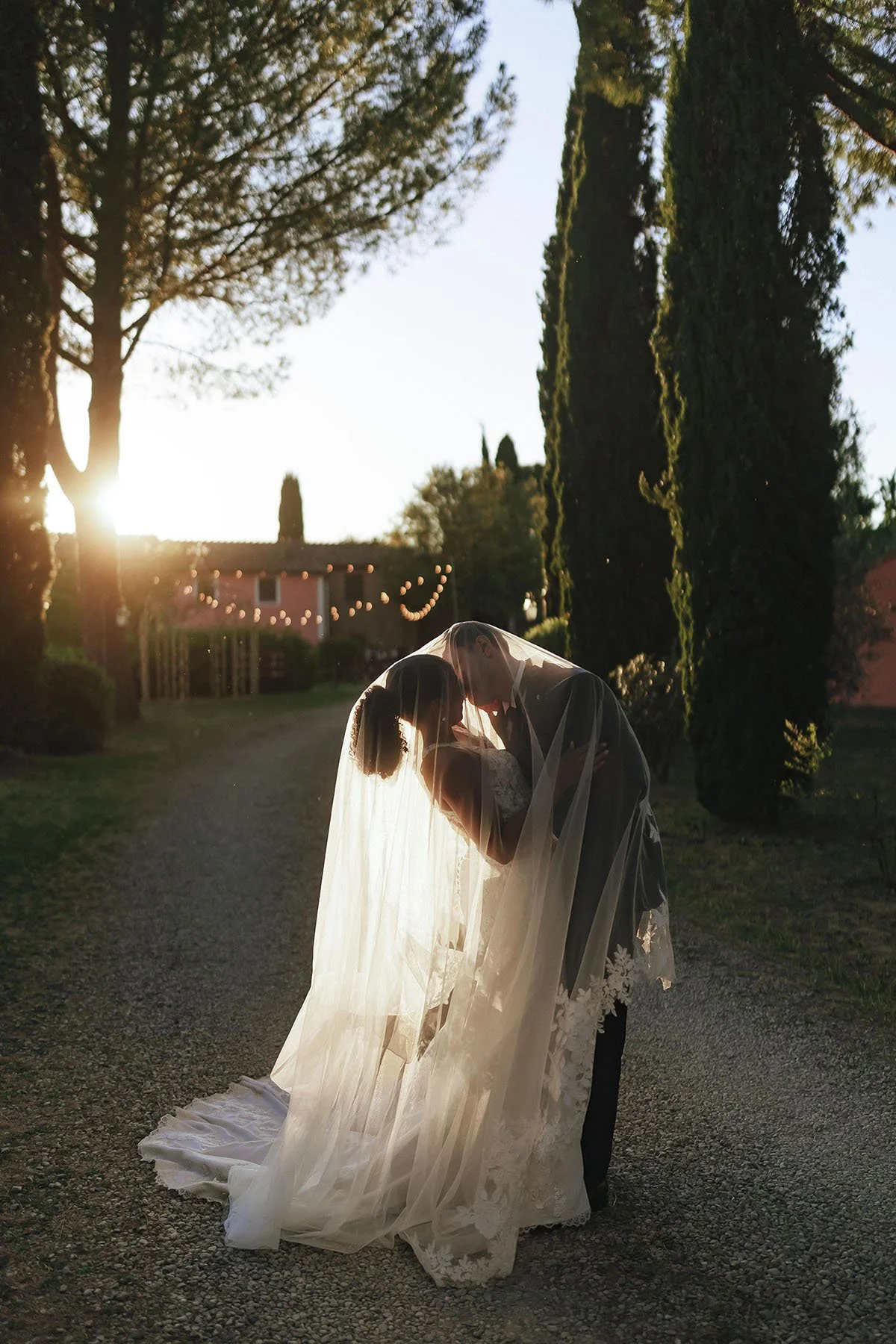
This becomes even more important if you are planning a first look, private vows, or activities before the ceremony.
When building the timeline, we always suggest starting from the sunset time. During summer weddings in Tuscany, sunset should ideally be the moment guests are sitting down for dinner. The golden light creates an unforgettable atmosphere for aperitivo, speeches, and the beginning of the reception.
During spring or autumn weddings, sunset should instead happen after dinner, when you are already moving toward cake cutting and party time.
Light changes everything in Tuscany — not only for photography, but also for the emotional feeling of the day.
Final Thoughts
One last thing we always suggest to our couples: don’t think about your wedding in Tuscany as just a one-day event. Think of it as a two or three-day experience shared with the people you love most.
A wedding in Siena is also about everything that happens around the wedding day itself — wine tastings at sunset, Vespa rides through the hills, poolside barbecues, long dinners under the stars, and slow mornings together in the countryside.
For many couples, it is one of the very few moments in life when all their favorite people are gathered together in the same place. That alone is something truly special.
So take your time, embrace the Tuscan rhythm, and create memories not only for yourselves, but for everyone sharing those days with you.
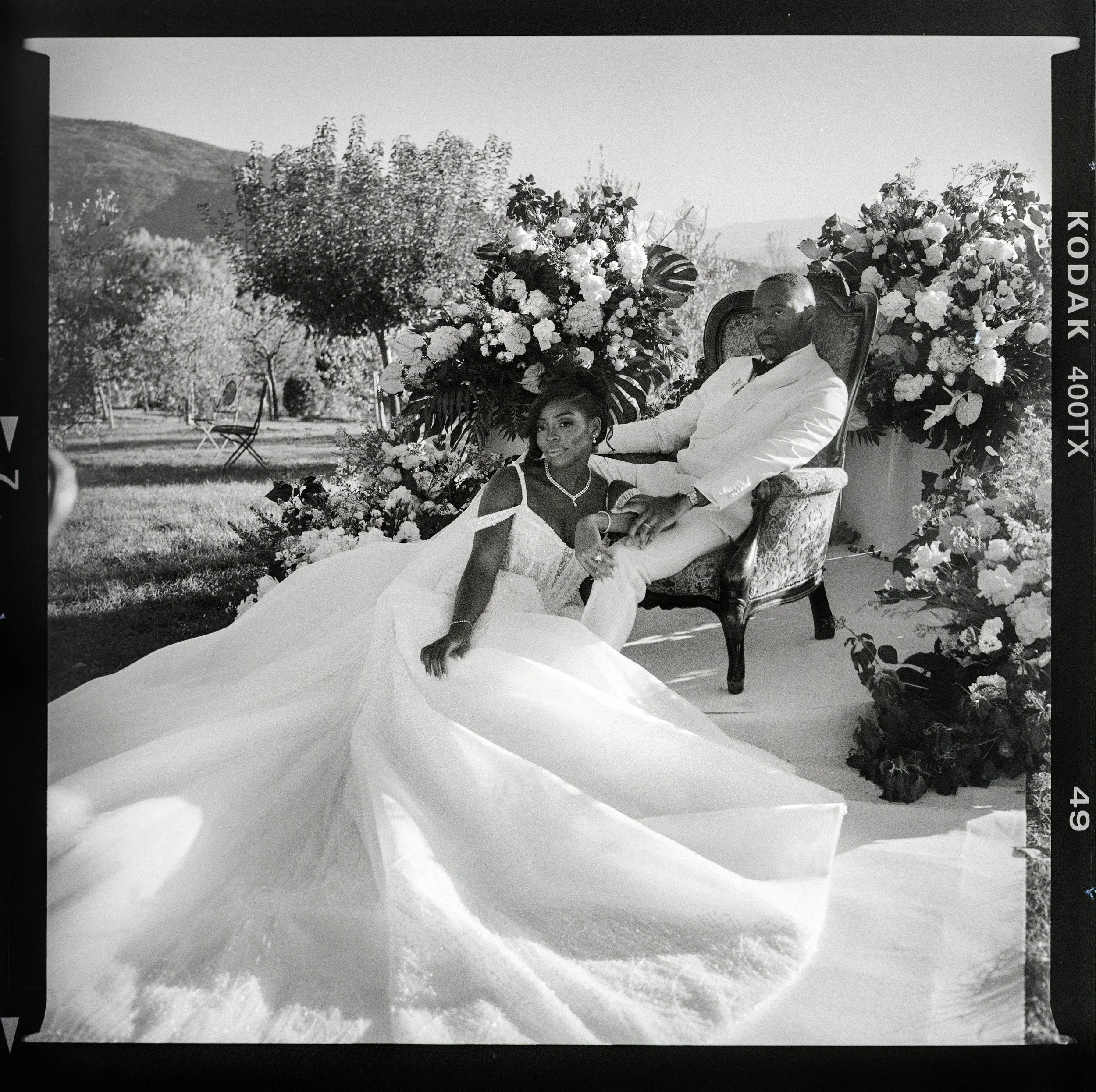
Film Wedding Photography in Italy: Why Analog Photography Feels More Timeless Than Ever
Film Wedding Photography in Italy: Why Analog Photography Feels More Timeless Than Ever
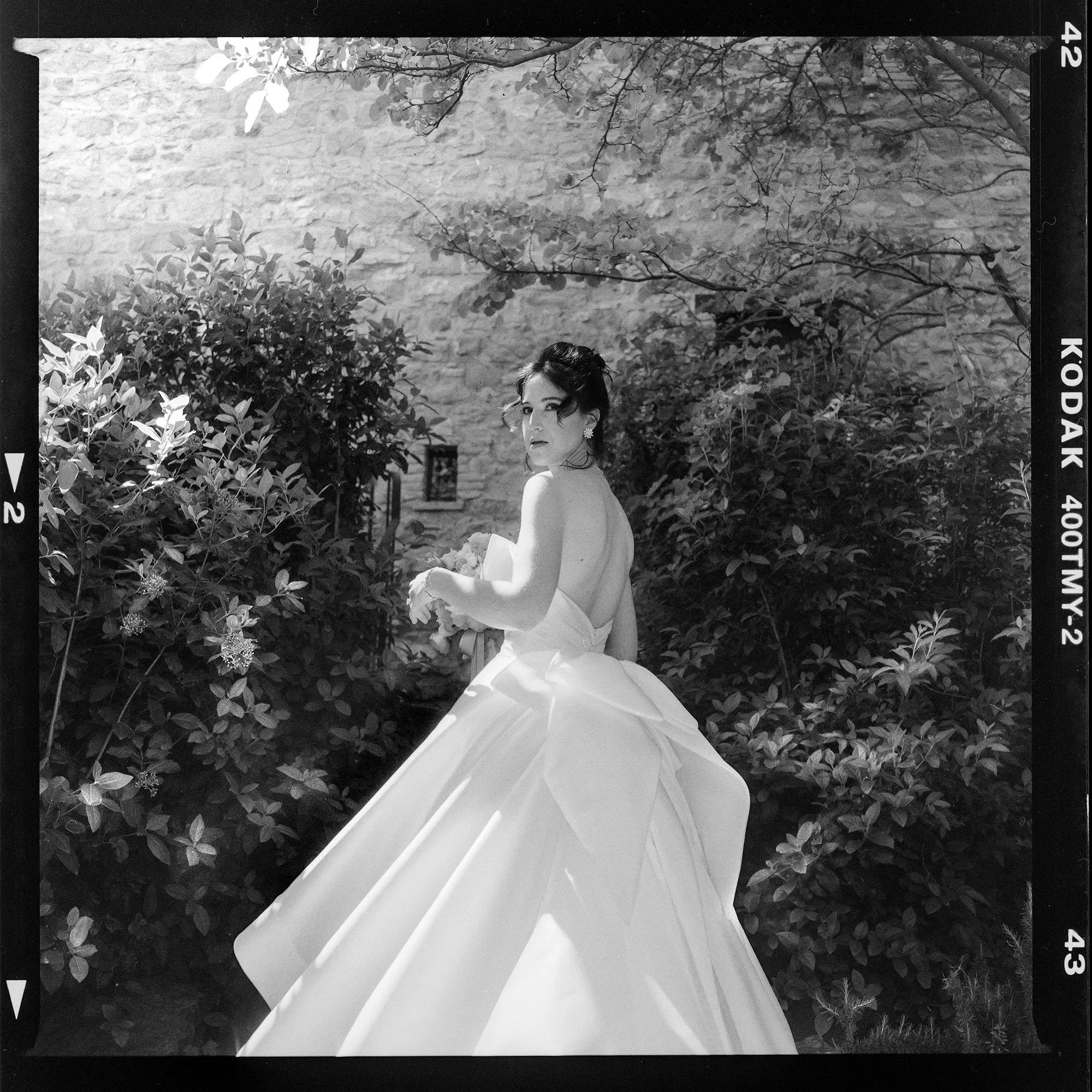
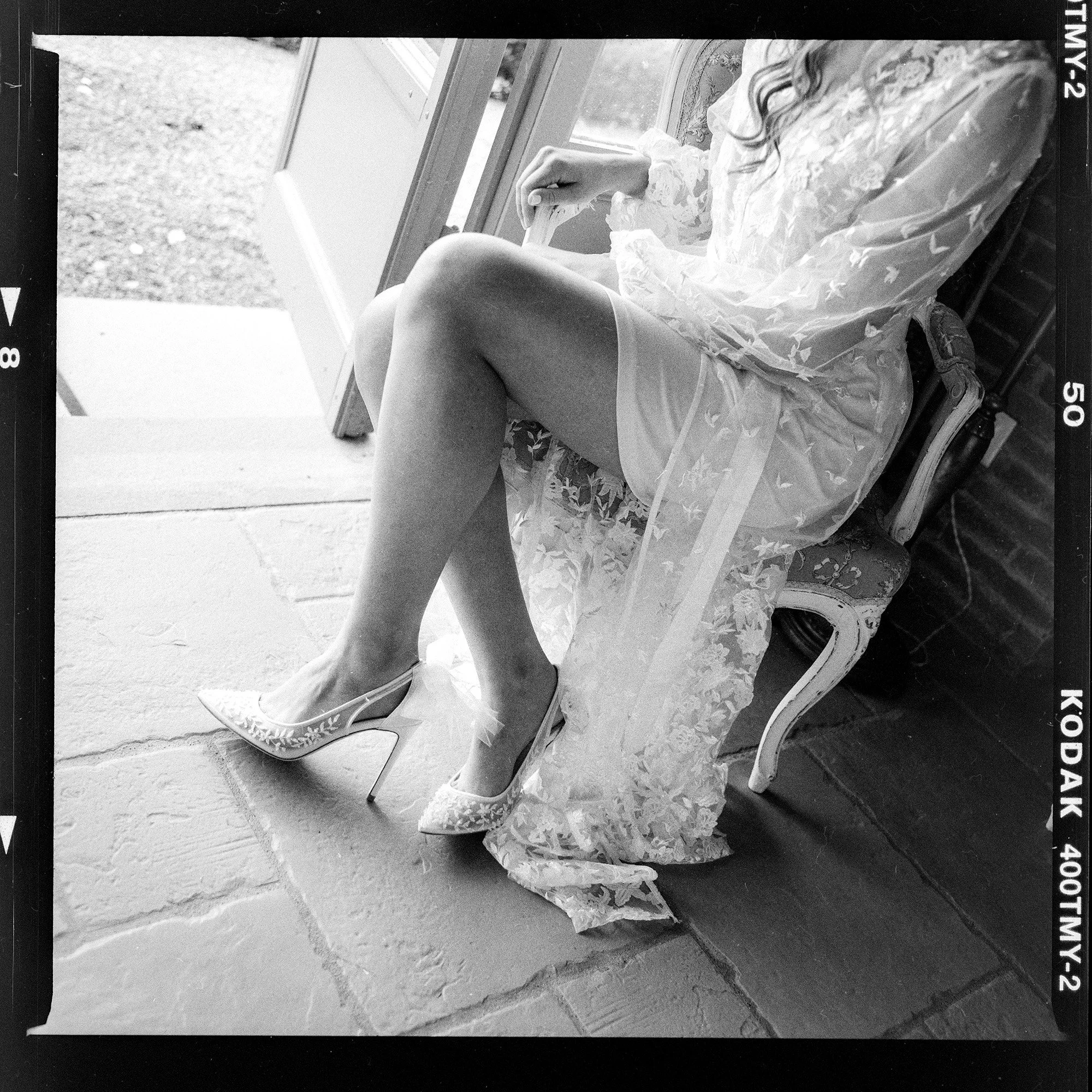
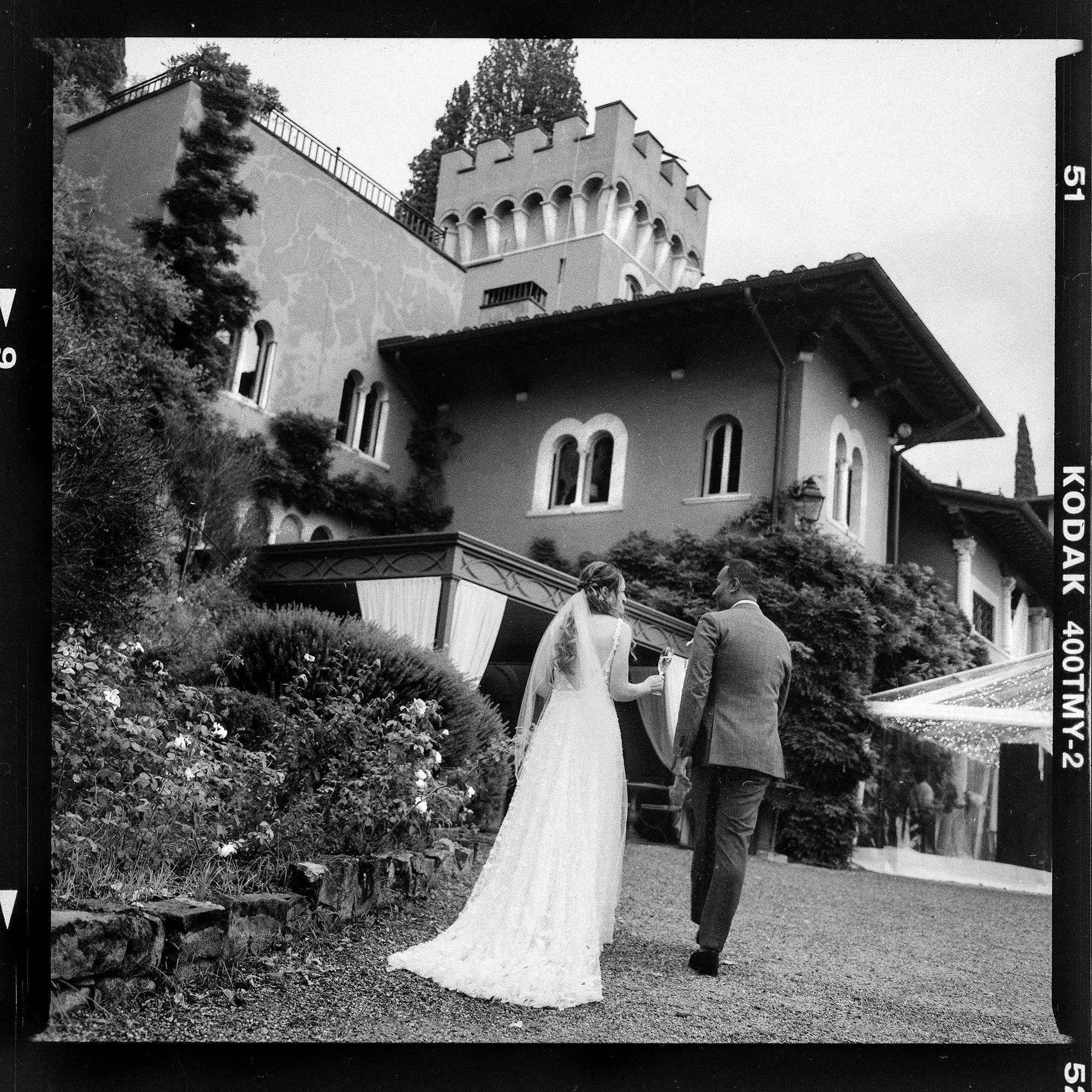
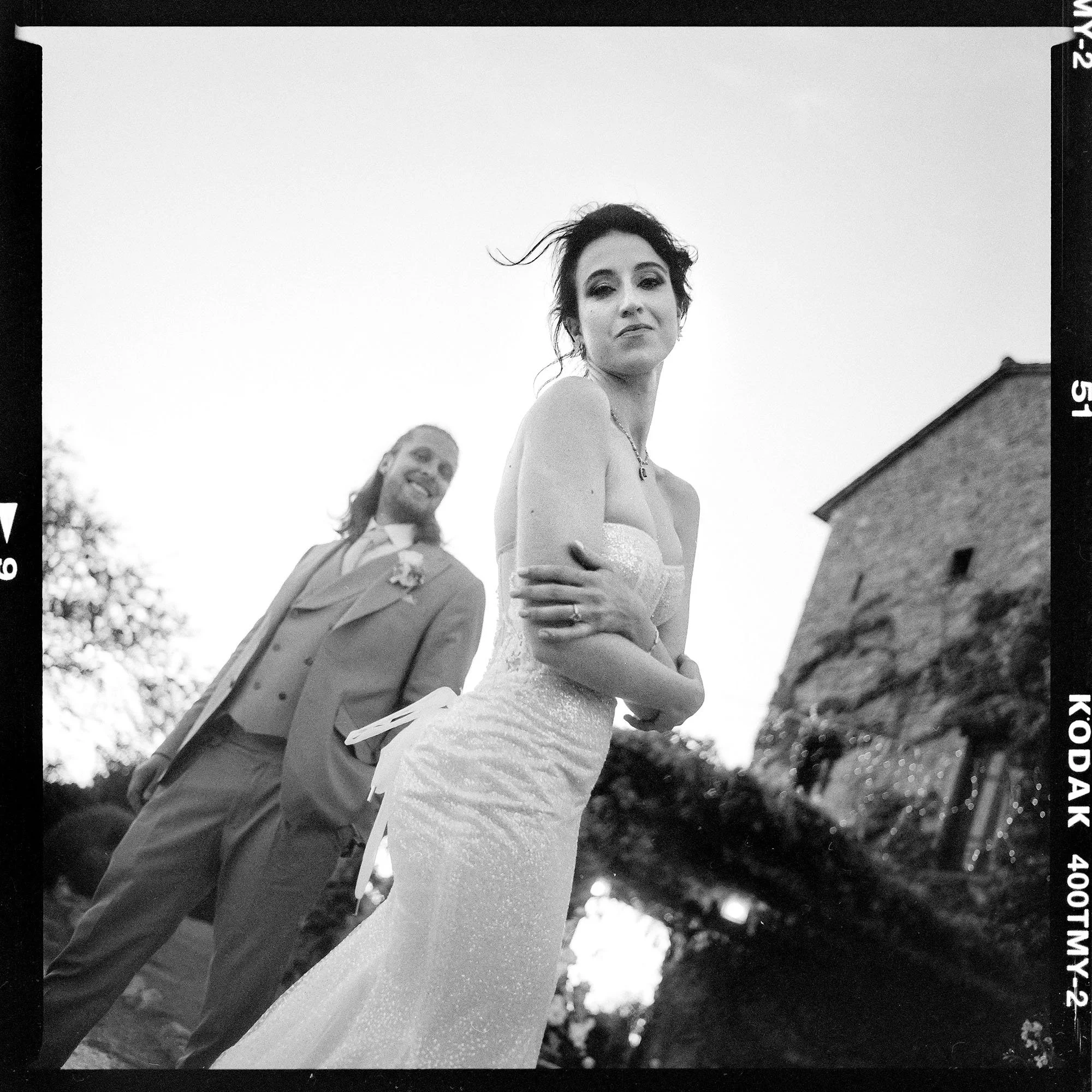
In recent years, FILM WEDDING PHOTOGRAPHY in Italy has experienced a powerful comeback.
From Tuscany to Lake Como, from Umbria to the Amalfi Coast, more and more couples are asking wedding photographers to include analog photography as part of their wedding coverage.
But this return to film is not simply about aesthetics or nostalgia, it reflects something much deeper.
In a visual world increasingly dominated by artificial intelligence, hyper-editing, digital perfection, and images that often no longer feel entirely real, film photography responds to a growing desire for sincerity, imperfection, atmosphere, and emotional truth.
At Rellini Art Studio, where we photograph destination weddings throughout Tuscany, Umbria, Lake Como, and the Amalfi Coast, we have seen this shift happen very clearly over the last years. Couples are not only searching for beautiful images anymore.They are searching for photographs that feel human.
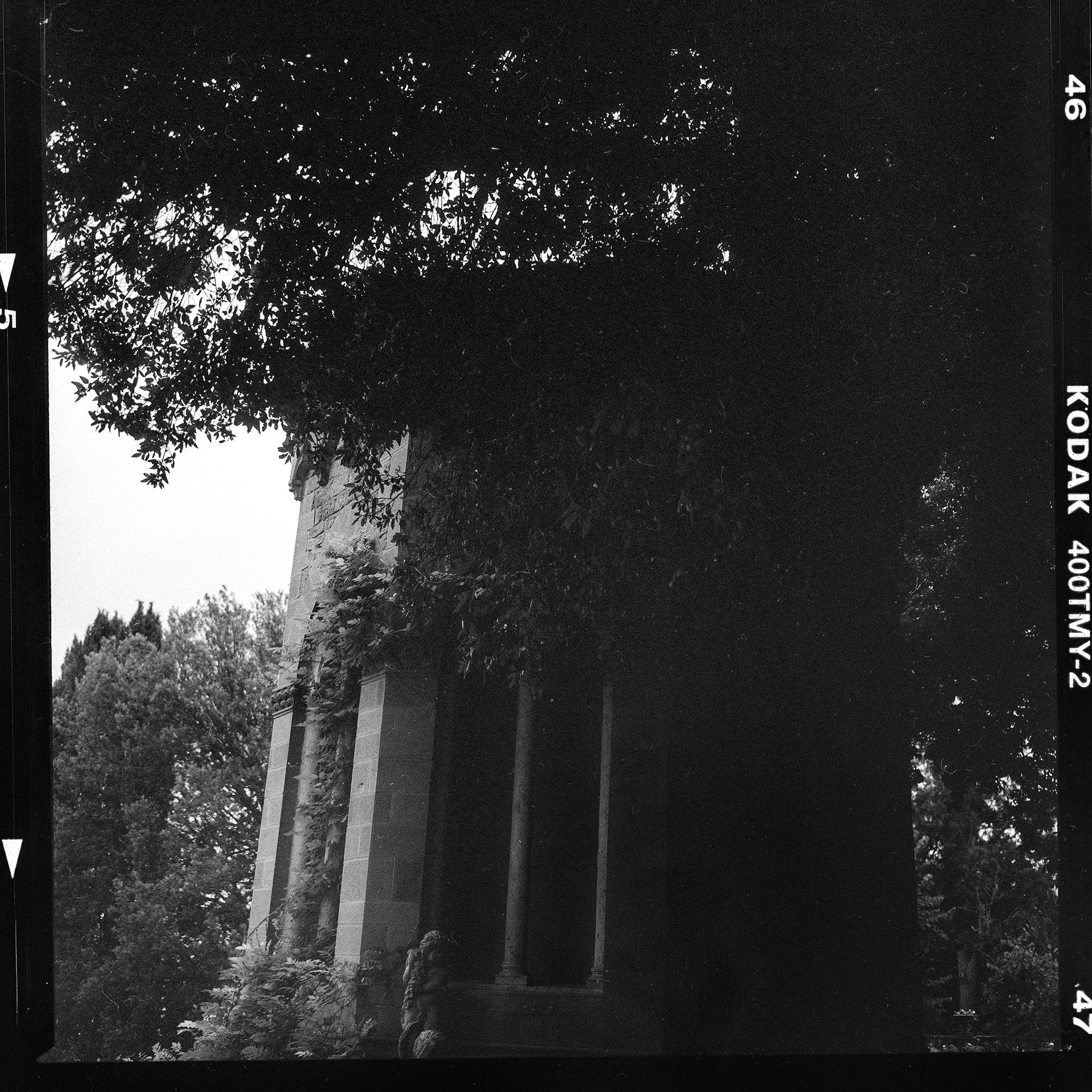
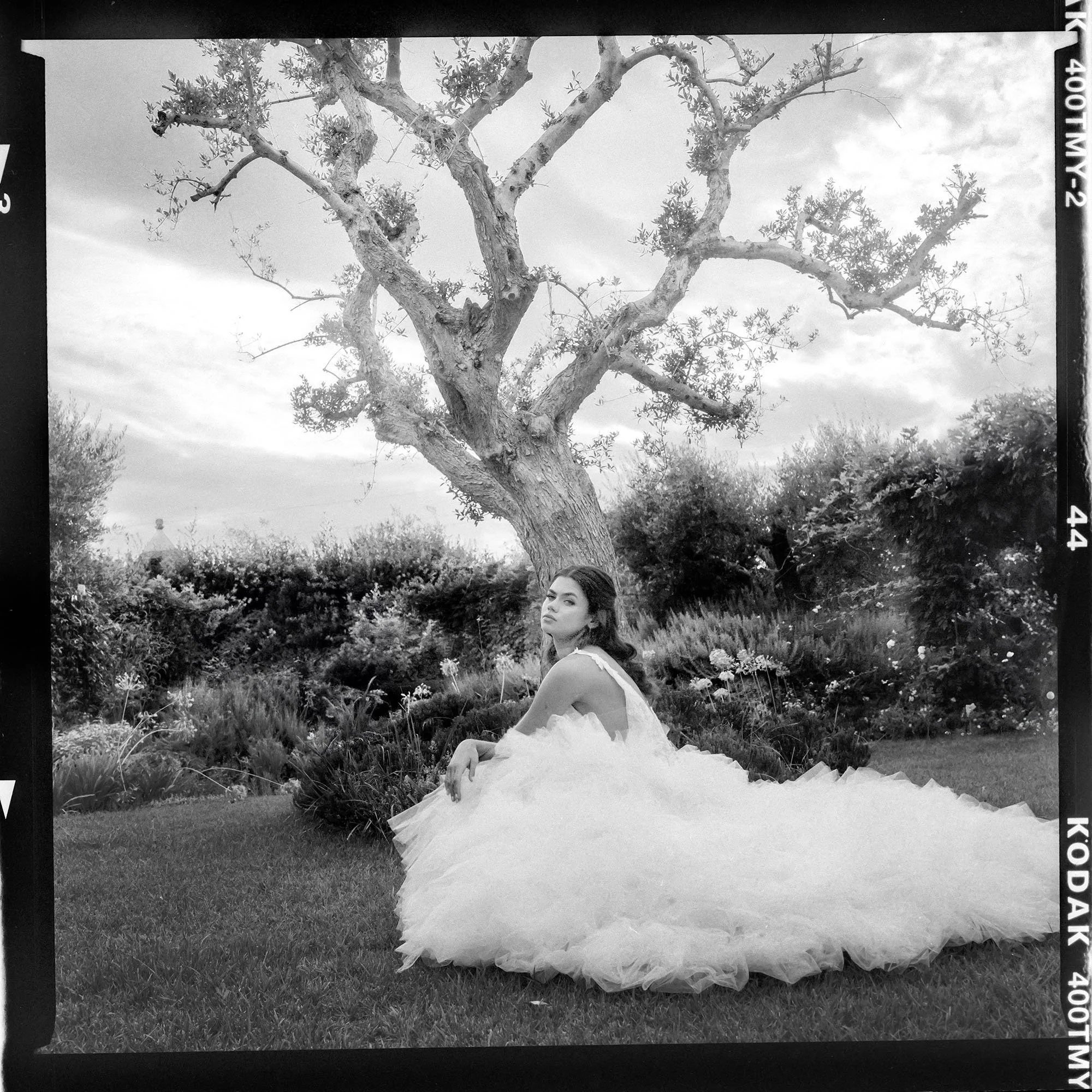
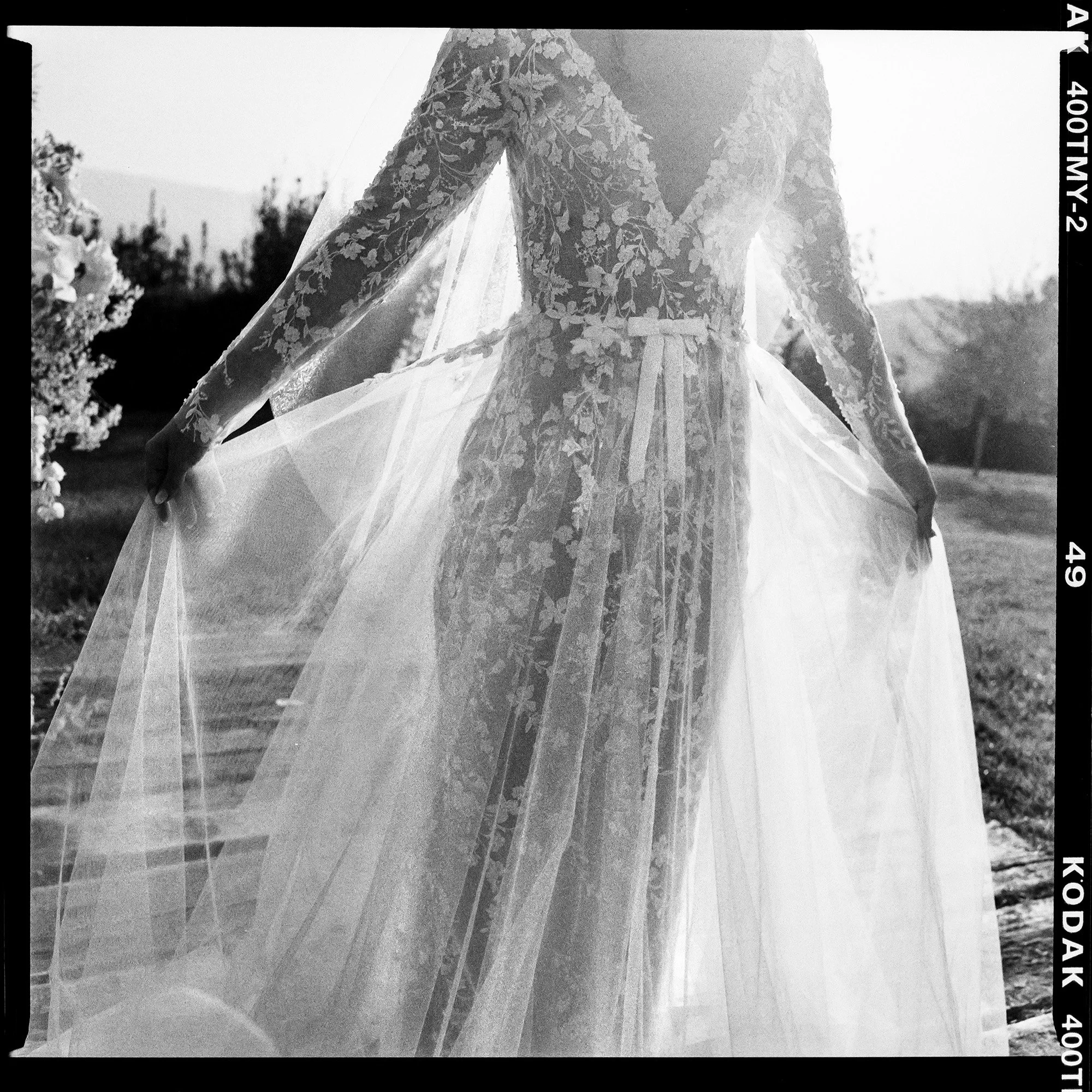
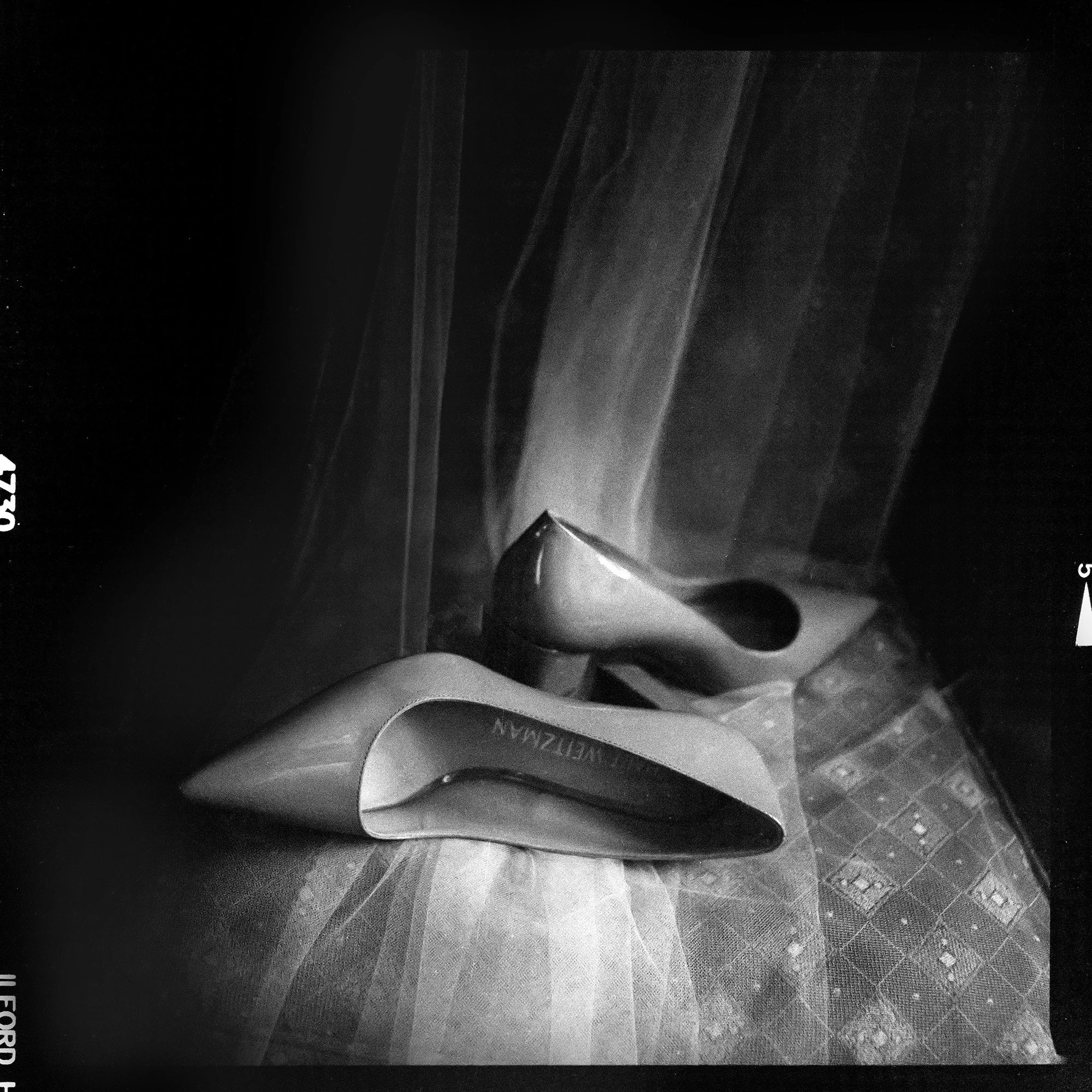
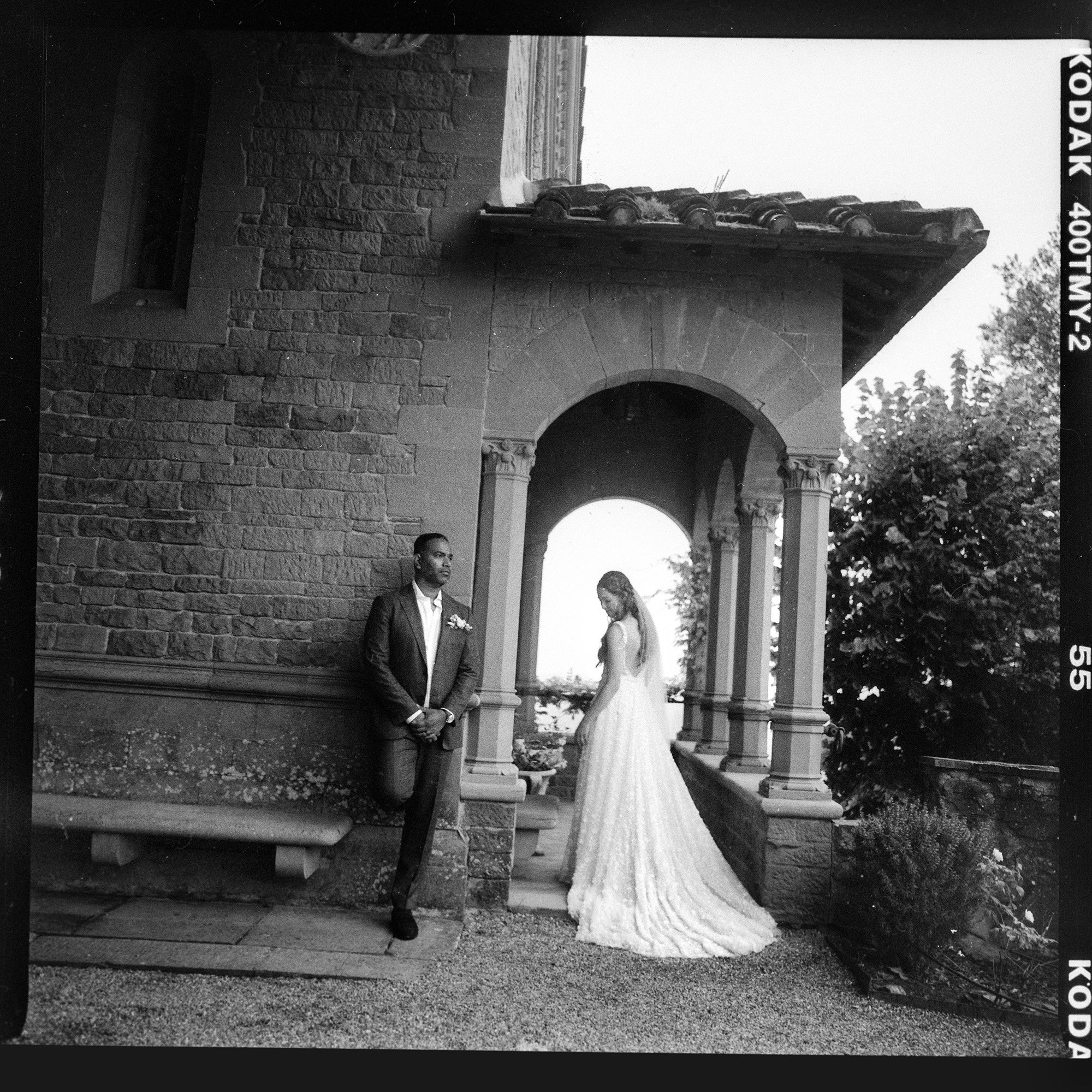
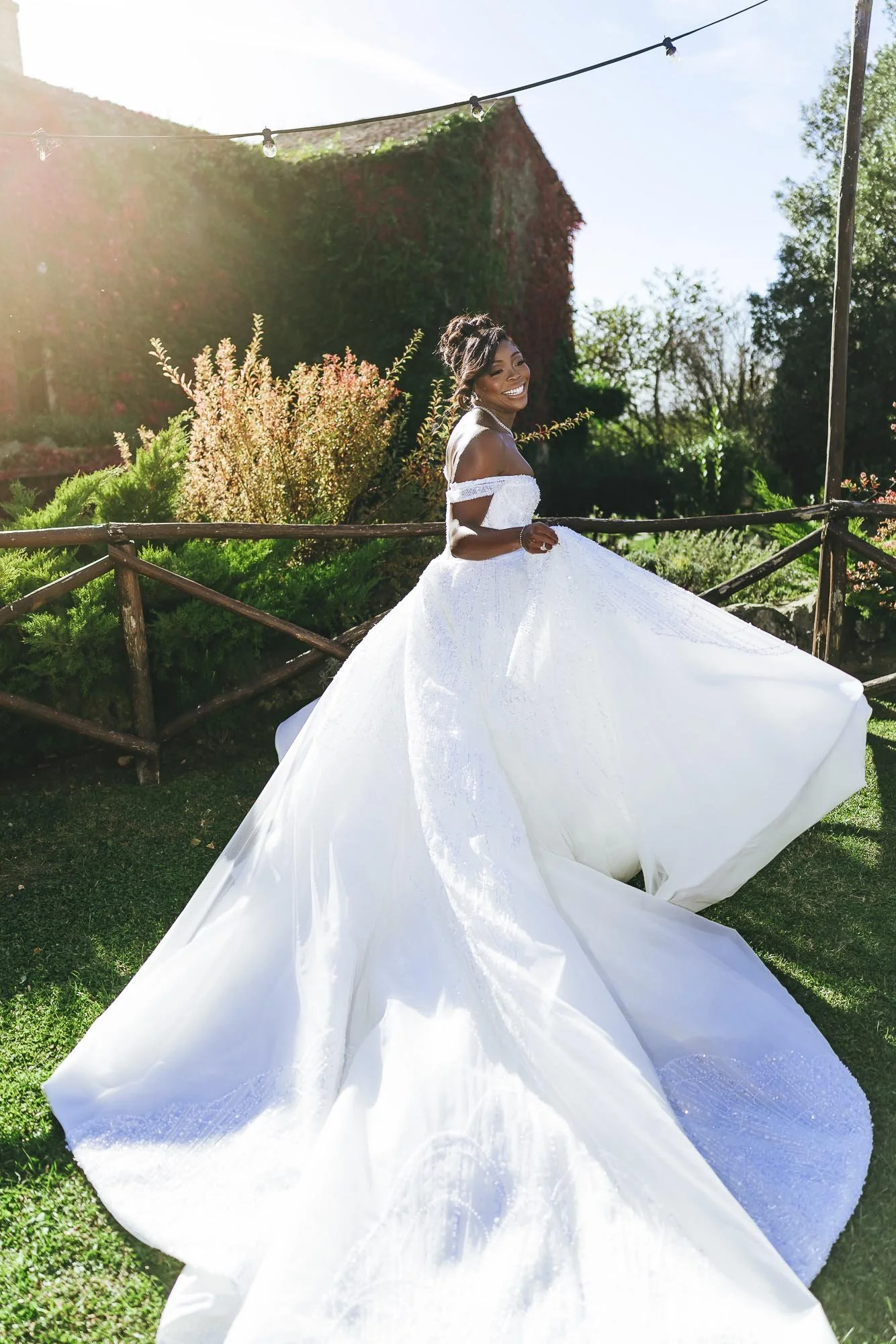
Discover what film photography can add to your portfolio through the wedding of Uzo and Adanna at Castello di Petrata in Umbria
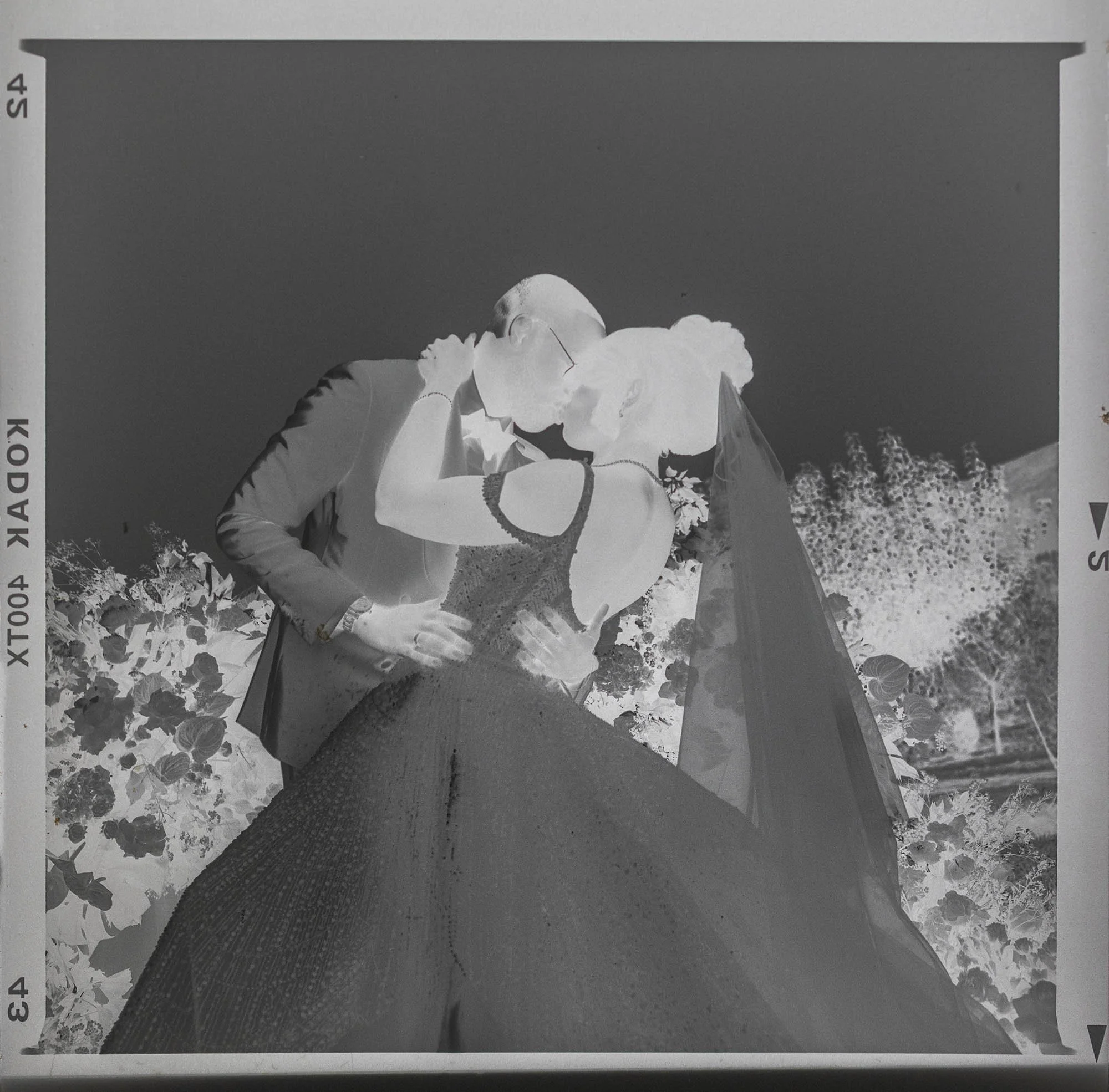
FILM PHOTOGRAPHY
For your destination wedding in Italy
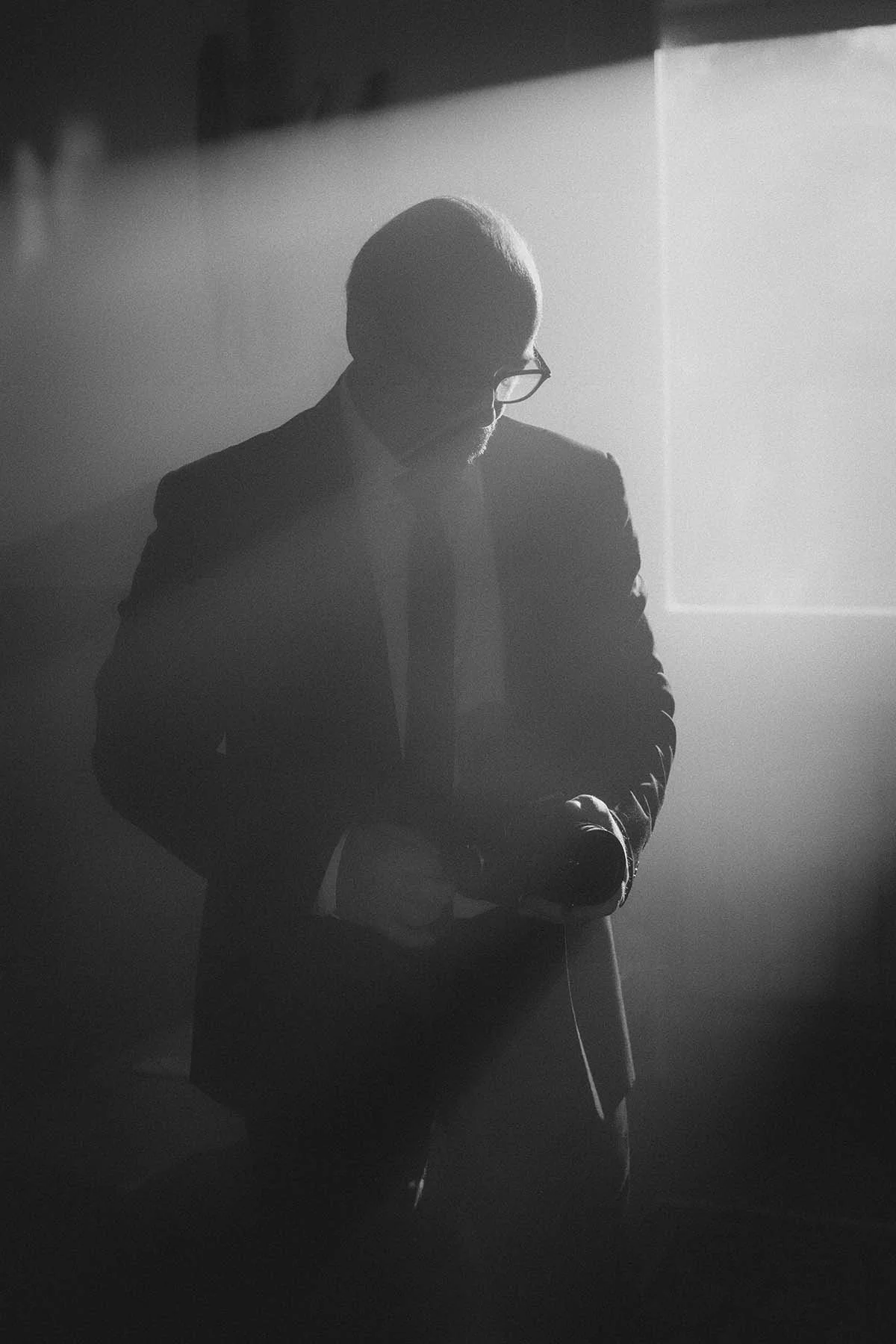
Maurizio Rellini, Rellini art studio
Why Film Photography Feels Timeless
The word “timeless” is probably one of the most used expressions in wedding photography today. But timelessness is often misunderstood. Timeless photography is not simply photography that looks old.
Nor is it photography that imitates vintage aesthetics through presets or artificial grain.
When we meet with our couples we always explain that shooting film contains limitations. And ironically, limitation is one of the reasons film photography feels more authentic.
No second chances, no mistaken lights, more intentional. This creates a very different relationship between photographer, subject, light, and moment.
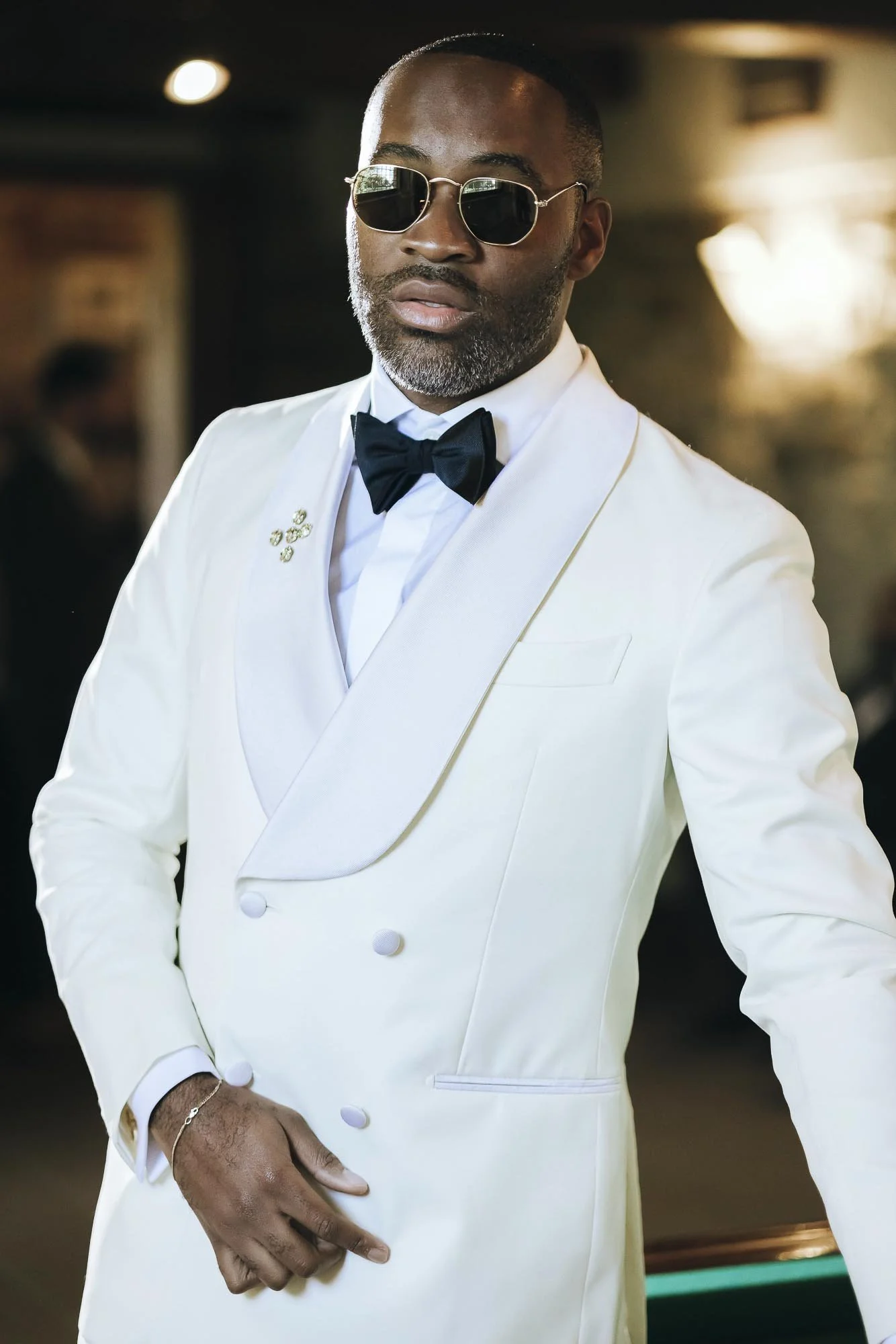
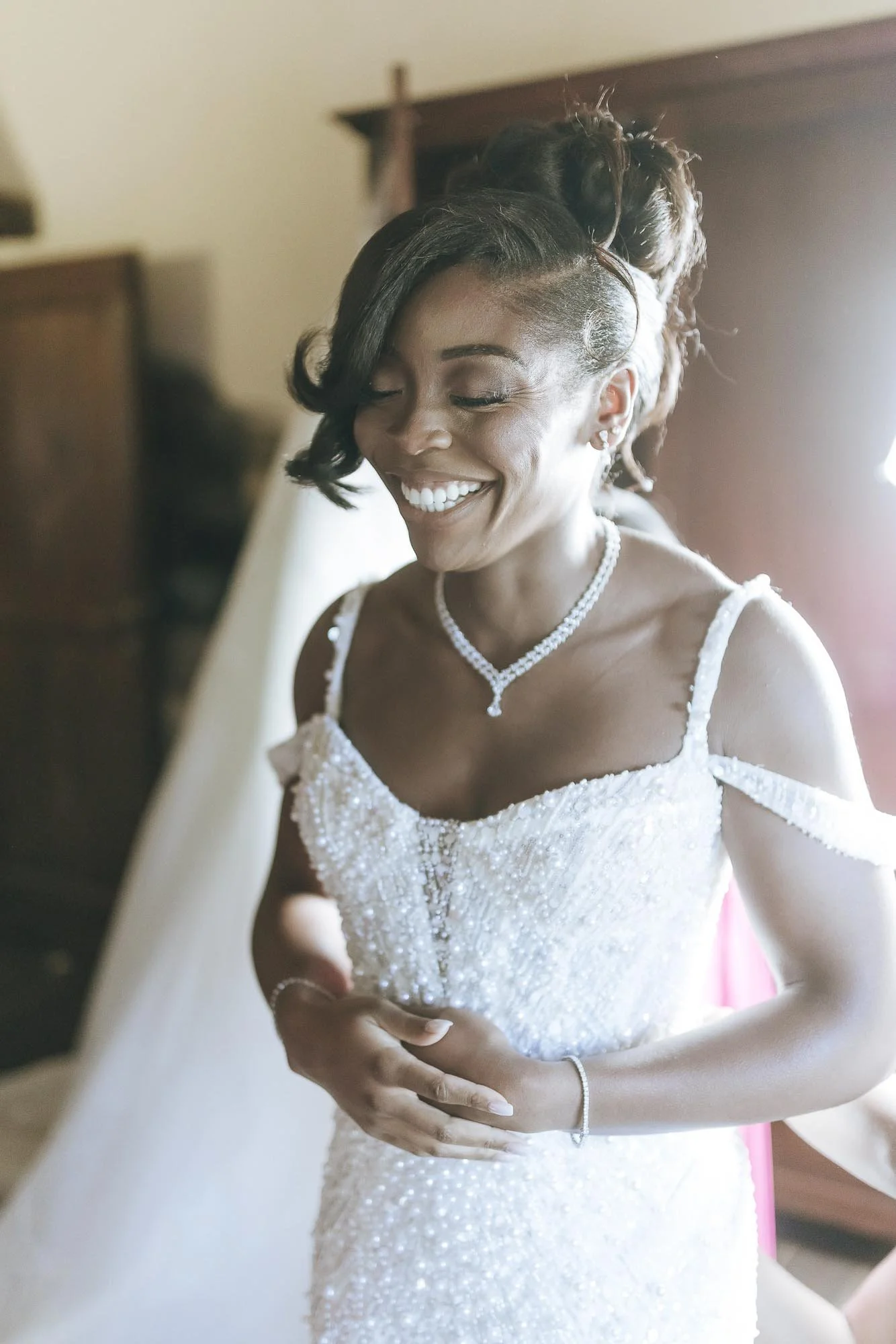
Our Approach to Film Wedding Photography at Rellini Art Studio
At Rellini Art Studio, we do not believe film photography should completely replace digital wedding photography. We know deeply the pros and the cons, and in our opinion digital photography must remain the primary foundation of wedding coverage. Let the film be the artistic etra to your service.
There are several important reasons for this.
First, digital photography allows maximum reliability during crucial moments:
ceremonies
emotional reactions
fast-changing lighting situations
dancing
unpredictable movement
Film cameras are slower, less precise, and technically less forgiving. And this is exactly why we believe film should be used intentionally, not constantly.
The selection of moments is crucial. Our goal as wedding photographers in Tuscany and Umbria is not to shoot an entire wedding blindly on film simply because analog photography is trending. Our goal is to create something magical without risking the loss of important moments.
This balance between digital reliability and analog emotion is, in our opinion, the most intelligent and timeless approach to modern wedding photography.
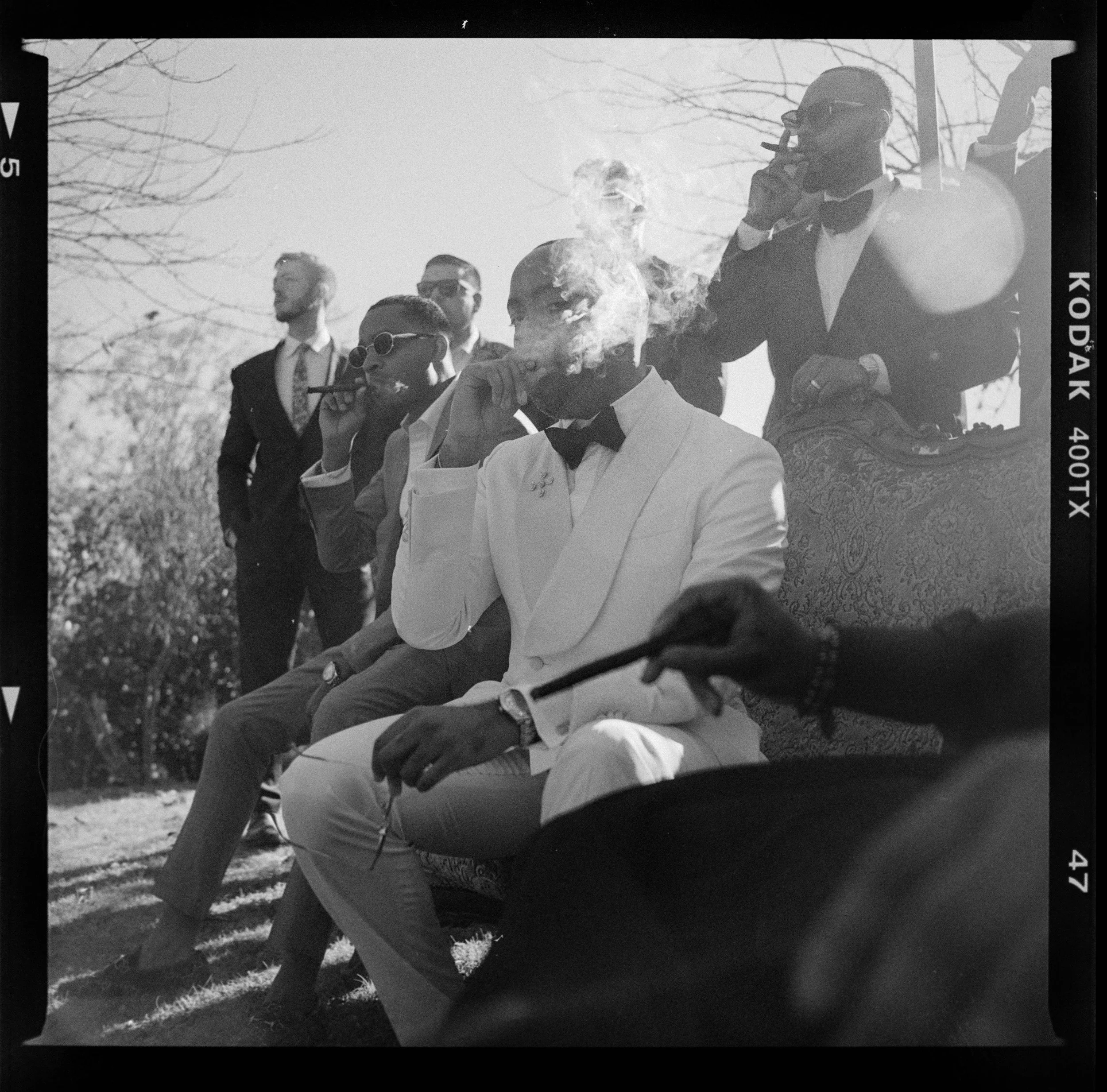
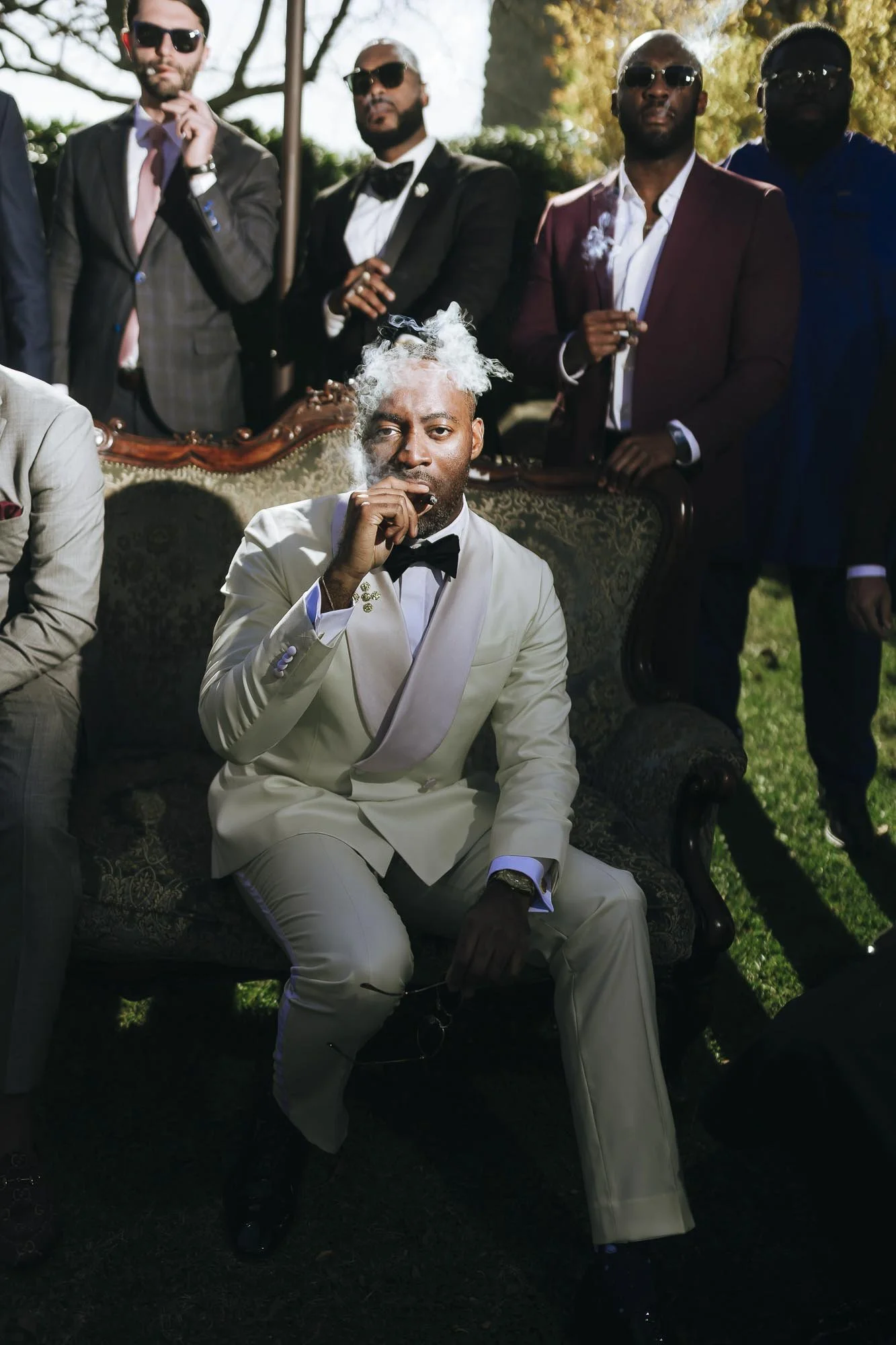
Color Film vs Black and White Film for Weddings
One of the most common questions couples ask us is:
“Should we shoot film in color, black and white, or both?”
This is usually a very personal decision, and we often leave it to the couple’s artistic vision and emotional preferences.
However, we do have a strong point of view on the subject.
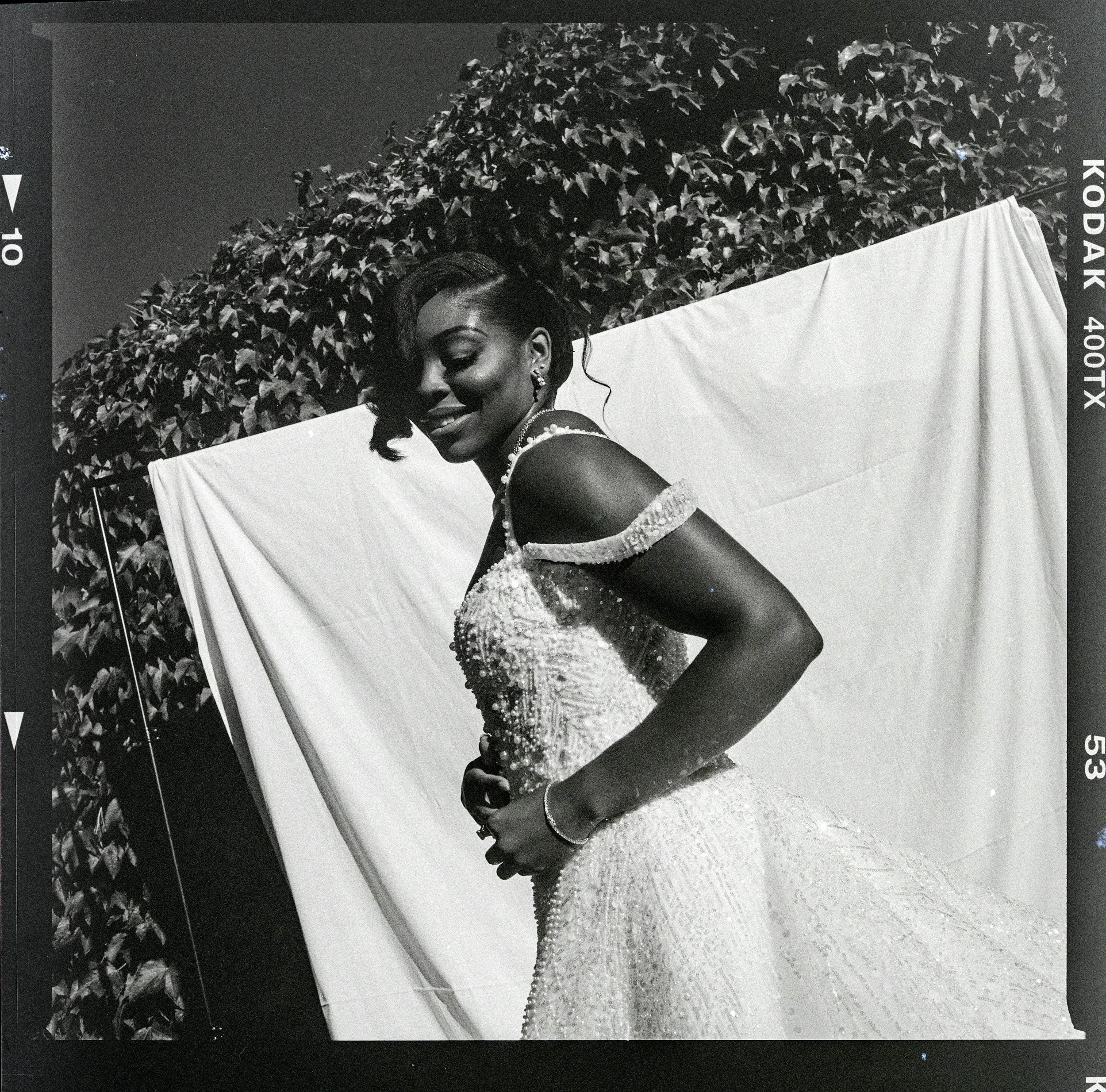
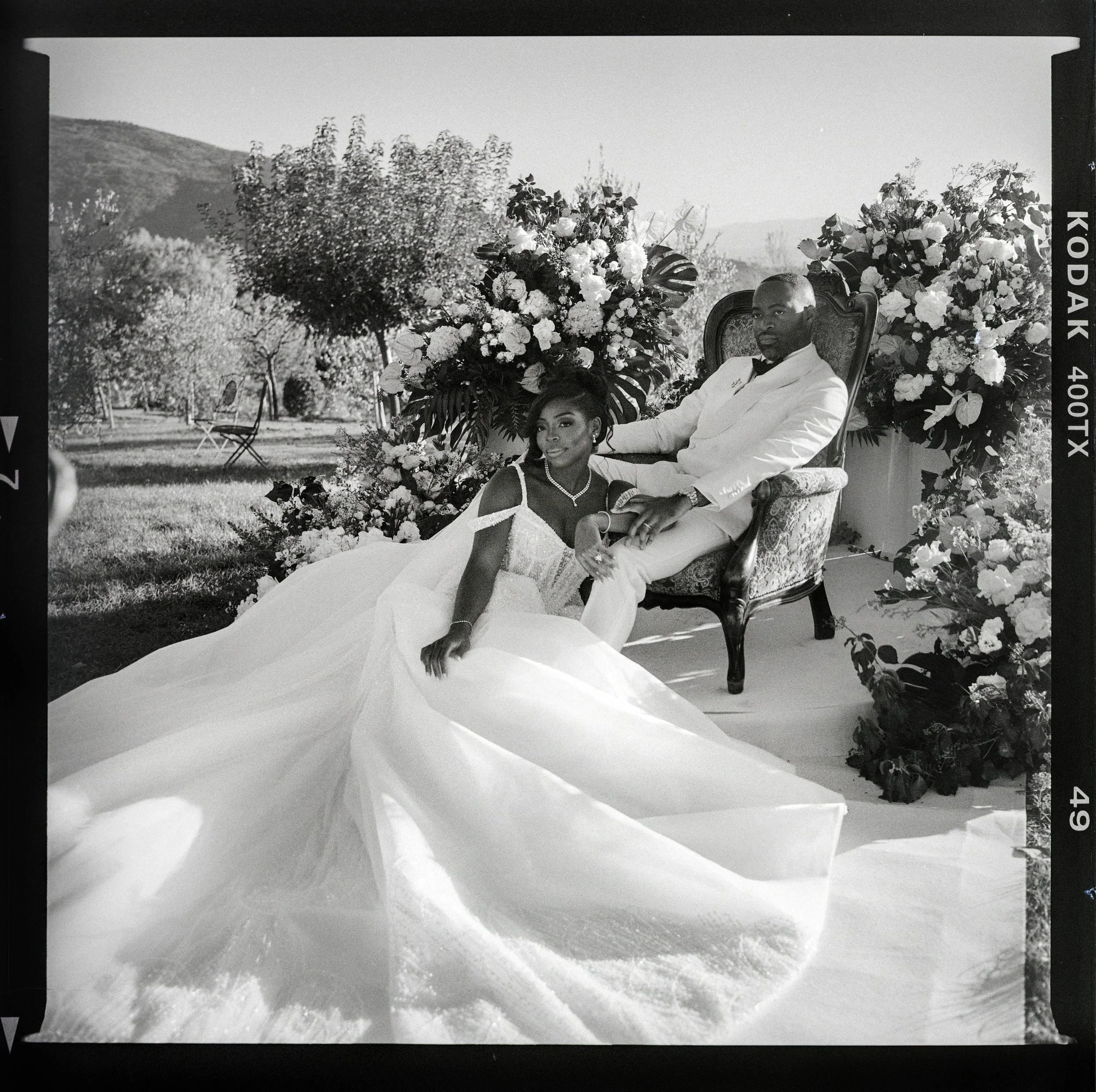
Black and White Film as an Archetype
Black and white film photography is often perceived as the original form of photography.
And in many ways, it is.
True black and white film has a depth, grain structure, and tonal transition that digital conversions still struggle to fully replicate.
It feels archetypal.
Timeless in the purest sense.
Black and white film removes distraction and focuses attention on:
emotion
gesture
composition
intimacy
human connection
For this reason, black and white analog photography will probably always remain one of the strongest visual languages in wedding photography.
Film Photography Is Not About Perfection
Perhaps the biggest reason couples are returning to analog photography is emotional rather than technical.
Film feels sincere.
In a time where people increasingly question whether images are real, heavily edited, AI-generated, or entirely synthetic, analog photography represents something deeply reassuring:
a physical process connected to reality.
A real moment.
A real exposure.
A real imperfection.
Film grain, slight motion blur, softness, and subtle inconsistencies often make photographs feel more alive rather than less professional.
Because memory itself is imperfect.
And timeless photography is often less about technical perfection and more about emotional honesty.
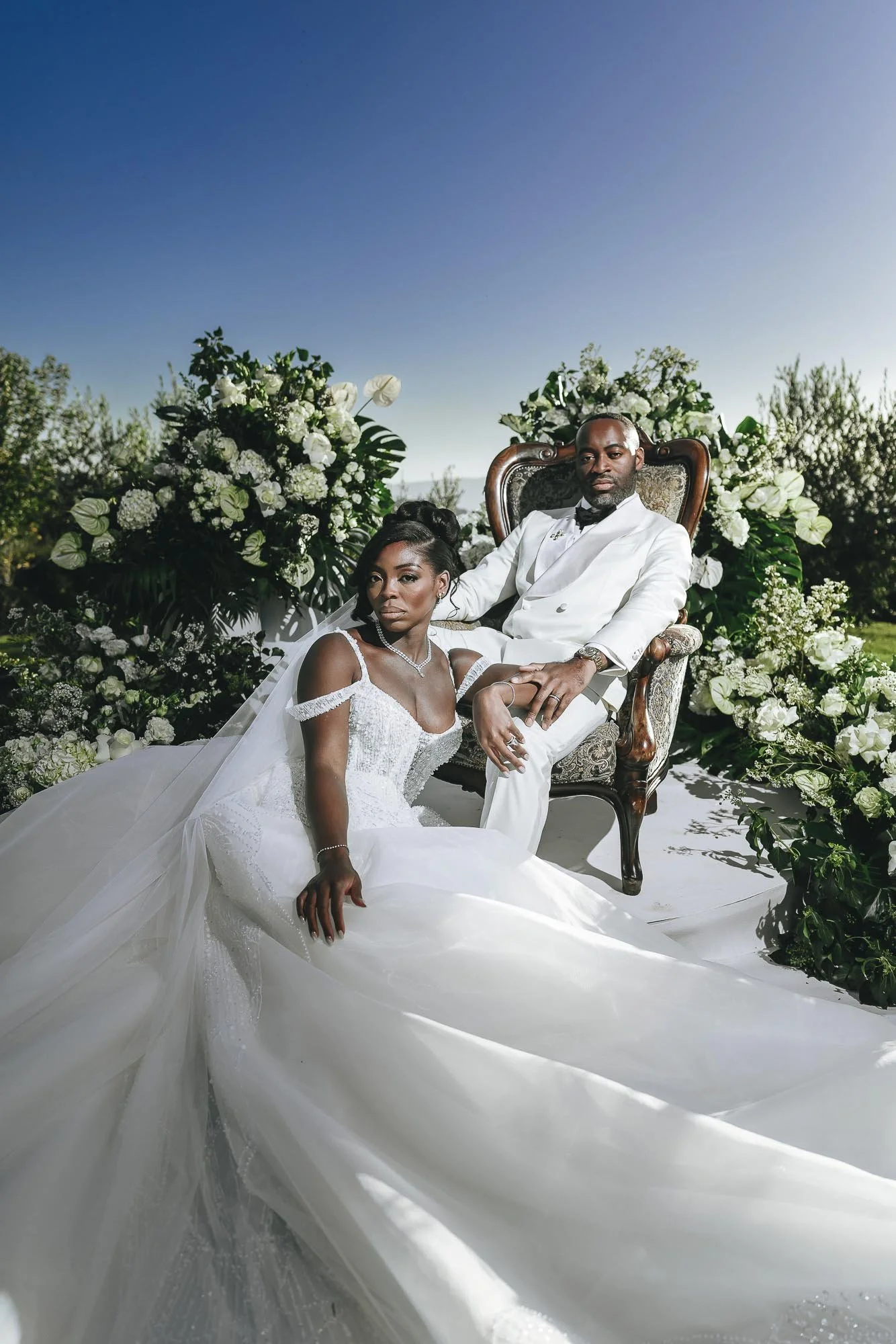
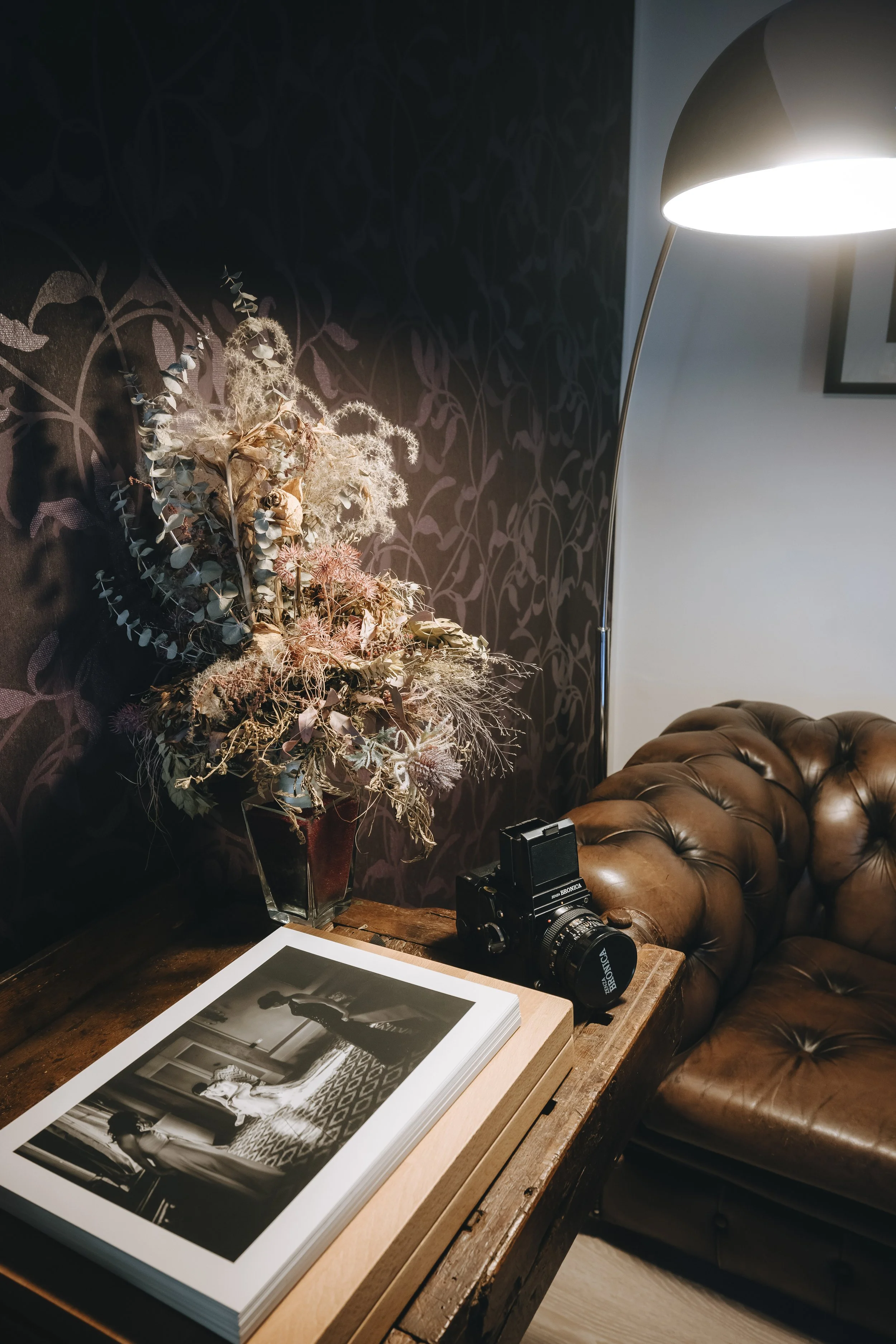
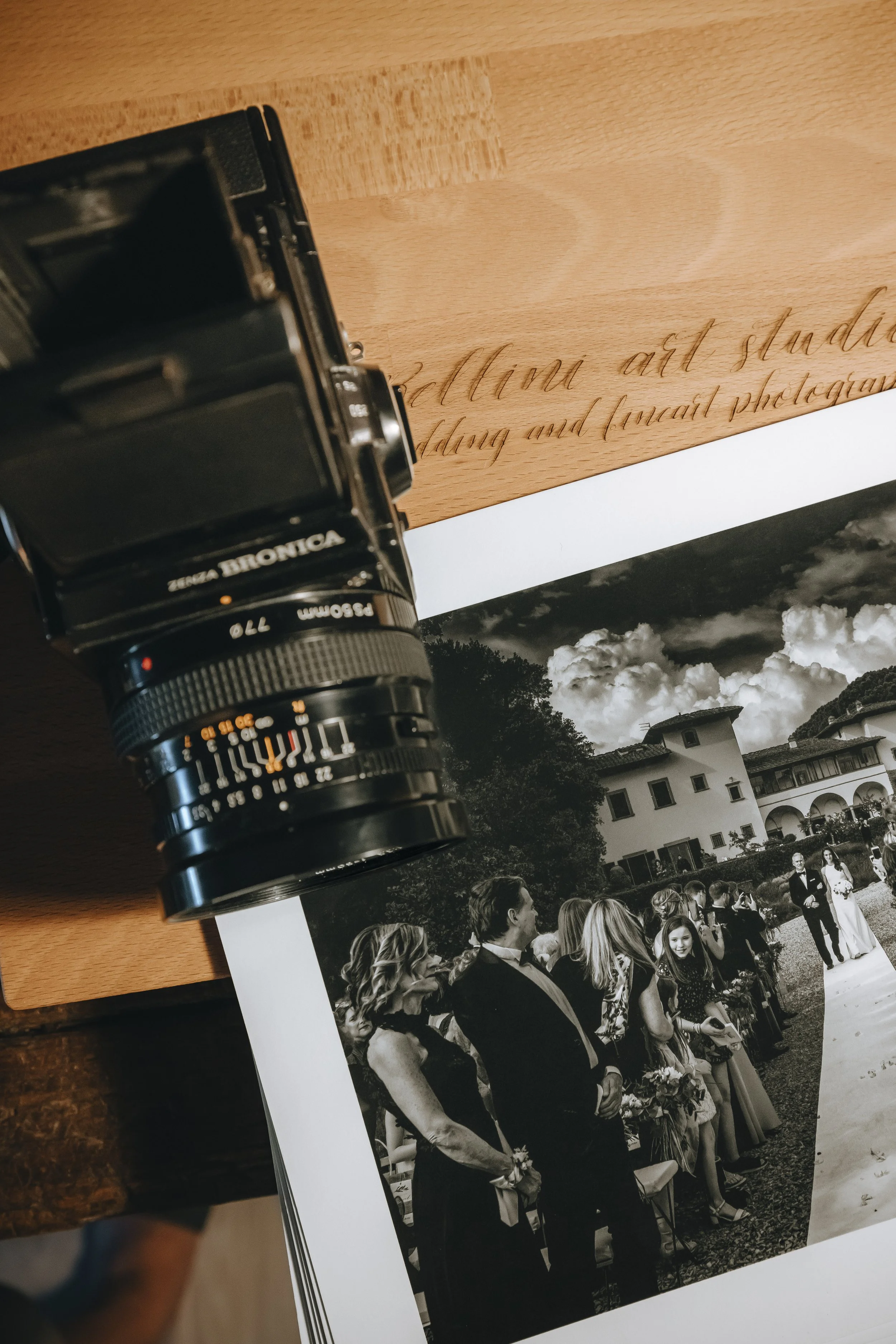
Don’t forget that choosing a wedding photographer with real expertise in film photography also means having access to something incredibly rare today: true FINE ART DARK ROOM PRINTS.
These are not simple digital prints of wedding images. They are handcrafted pieces made through a traditional analog process, printed by hand in the darkness of a darkroom on luxurious fine art paper. Every print carries a depth, texture, and timeless feeling that simply cannot be replicated digitally.
The process begins long before the print itself — with carefully shot film photography, developed with intention and transformed slowly through craftsmanship, patience, and artistic sensitivity. In a world where almost everything is instant and disposable, darkroom printing remains a deeply human process where true magic still happens.
These prints become more than photographs. They become heirlooms and pieces of art meant to live in your home and be cherished for generations.
At Rellini Art Studio, this is a service we are incredibly proud to offer our couples as part of our vision of timeless wedding photography.