
Beautiful photographs are important. But what about the memories behind them?
Documentary and editorial wedding photography are probably two of the most popular expressions in the wedding industry today. Almost every photographer seems to identify with one, the other, or a combination of both.
But what do these words really mean? And, more importantly, how do these different approaches affect the way you experience your wedding day? The difference goes far beyond aesthetics, editing styles, or whether a photograph looks like it belongs in a fashion magazine.
It's about priorities. About emotions. About the relationship between the photographer and the people being photographed. And, perhaps most importantly, it's about understanding whose story is being told.
After photographing more than 1,000 weddings, we've developed a very personal perspective on this subject. We believe there are two fundamental differences between documentary and editorial wedding photography, and understanding them can help couples make a much more conscious choice.
01. Real Emotions vs. A Curated Visual Story
DOCUMENTARY photography celebrates real life, even when it isn't beautiful.
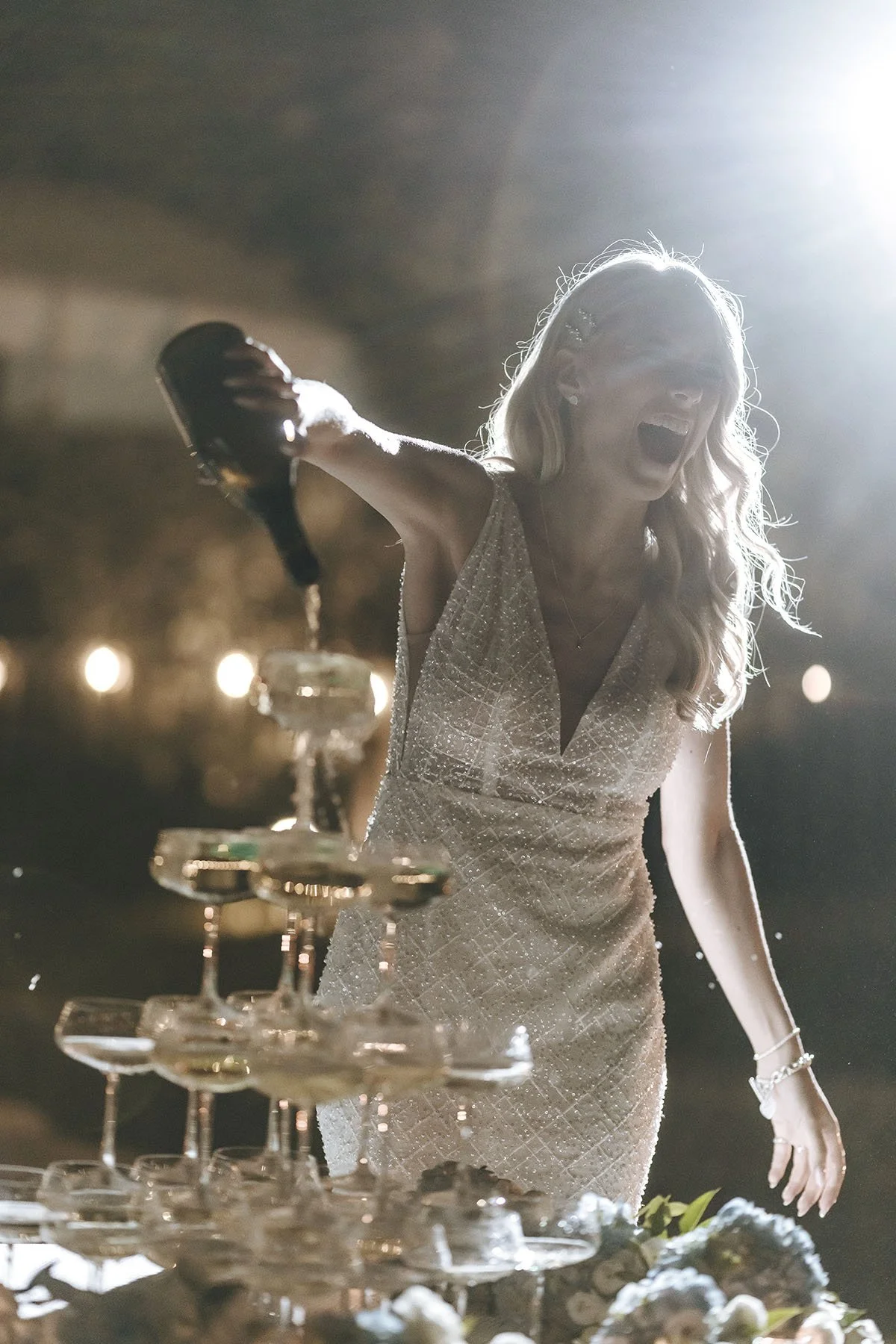
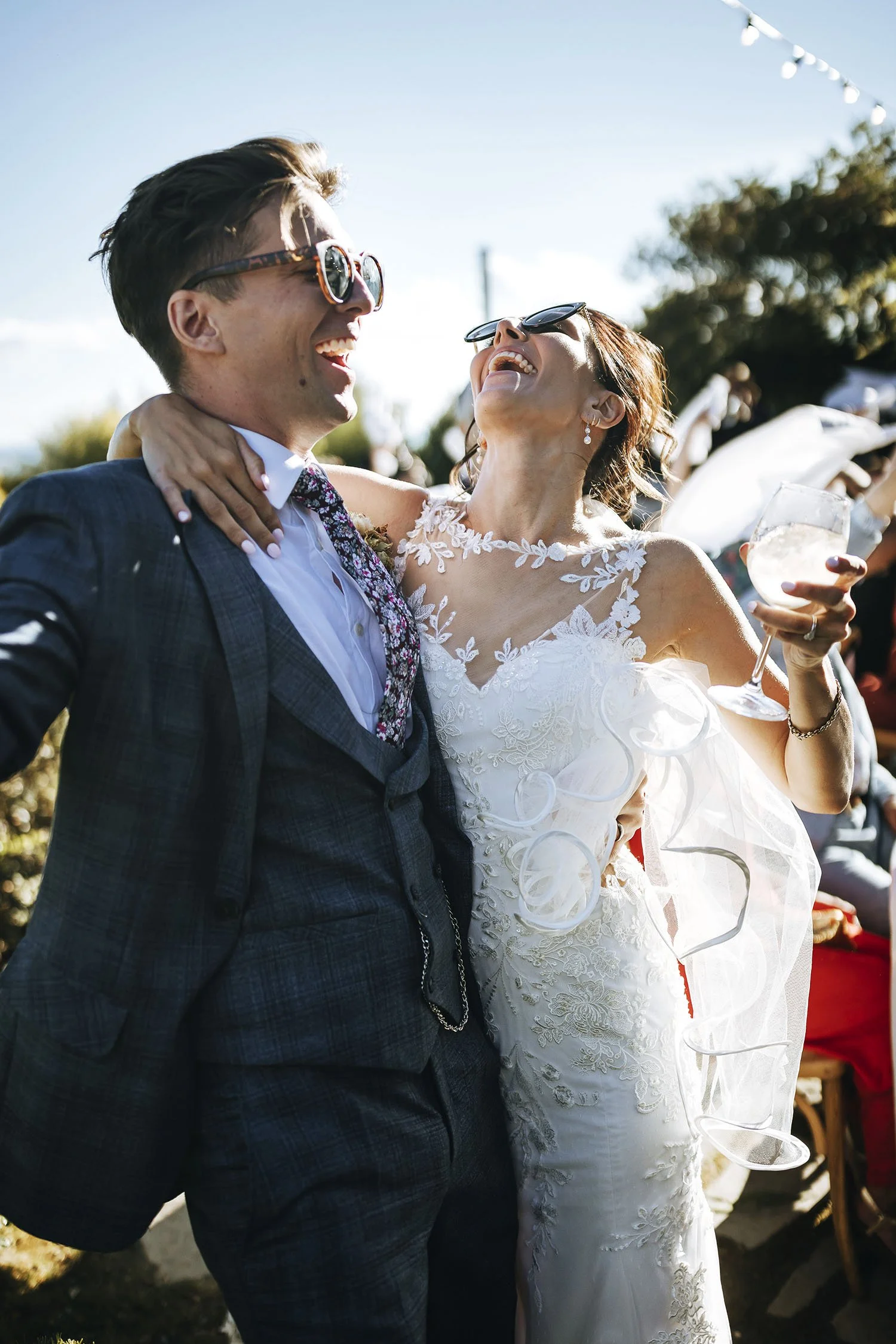
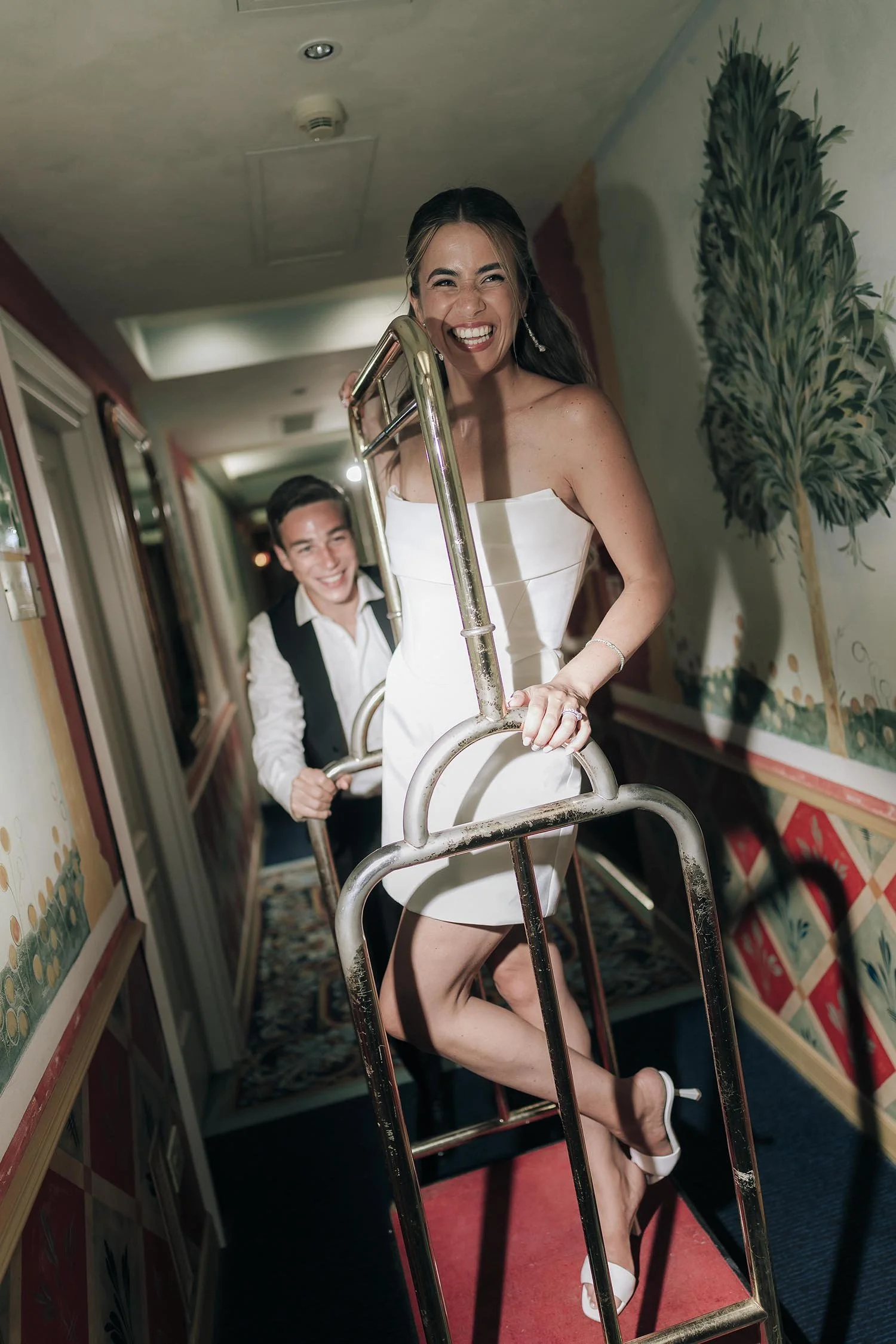
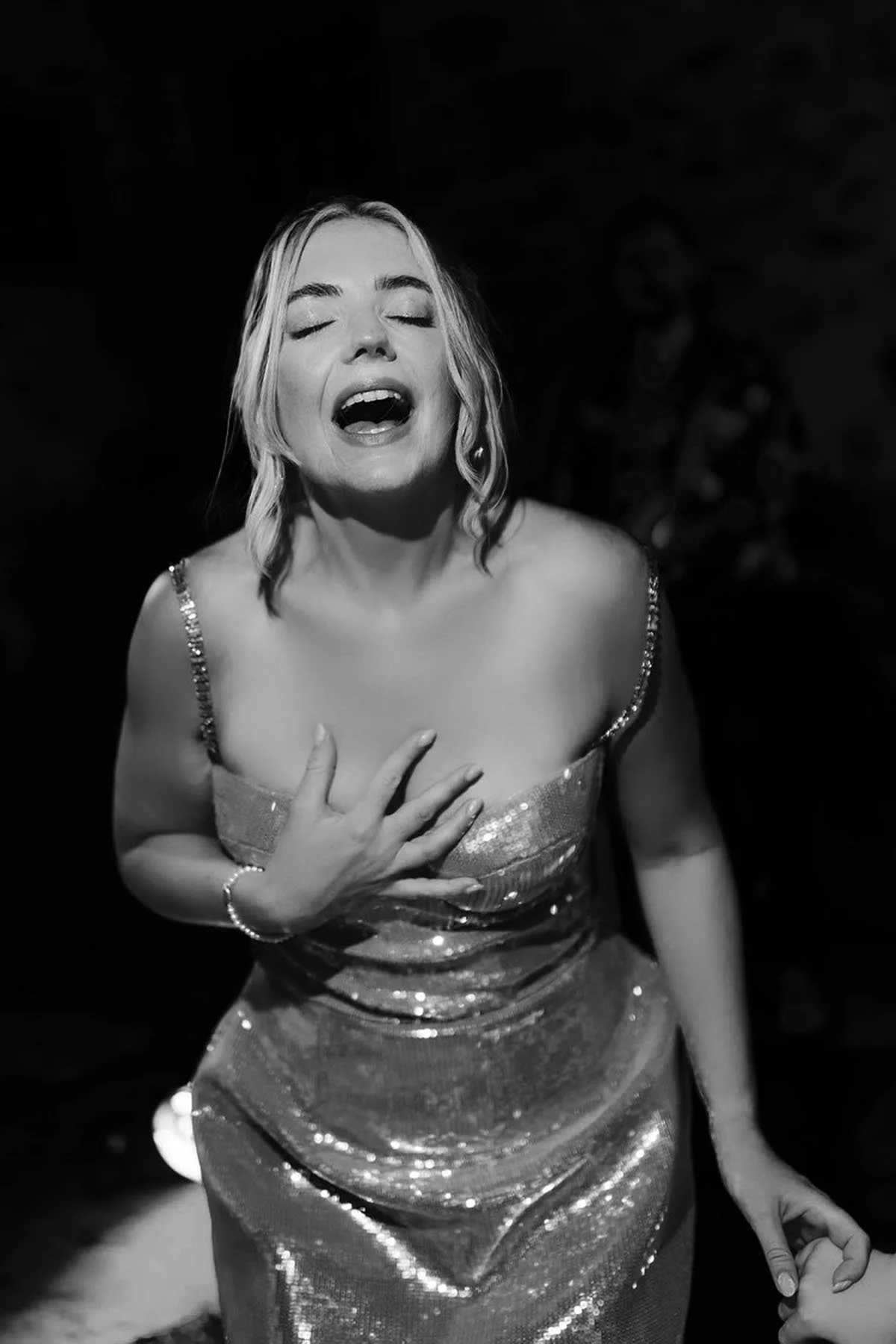
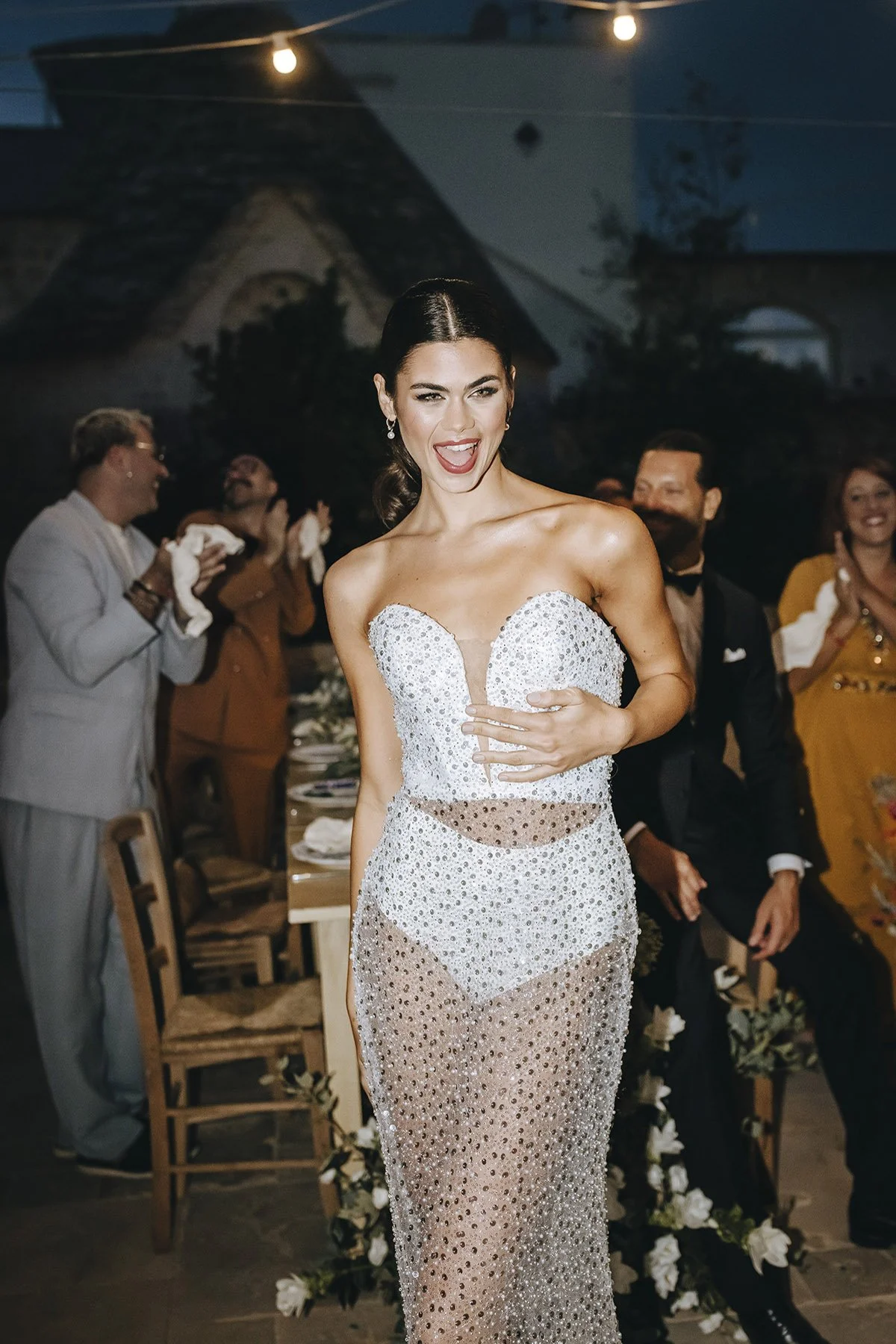
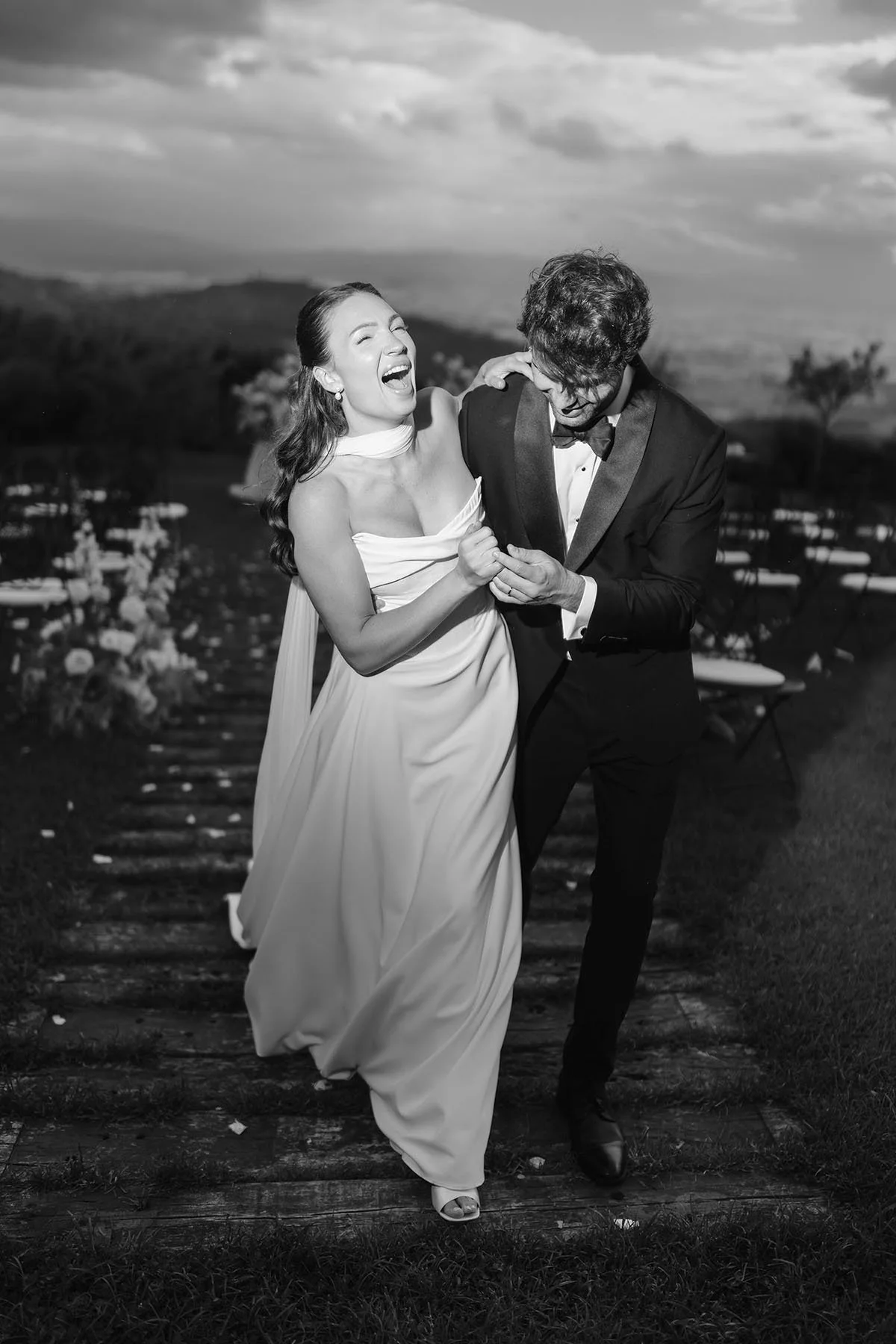
Imagine a bride laughing uncontrollably during her wedding speeches. Her eyes are closed, her mouth is wide open, and her expression is anything but elegant.
It's probably not the kind of photograph you'd expect to see in a fashion magazine. But for a documentary wedding photographer, it might be one of the most valuable images of the entire celebration.
Because real happiness isn't always elegant. And genuine emotions rarely care about looking beautiful.
Documentary photography is about recognising the importance of moments exactly as they happen.
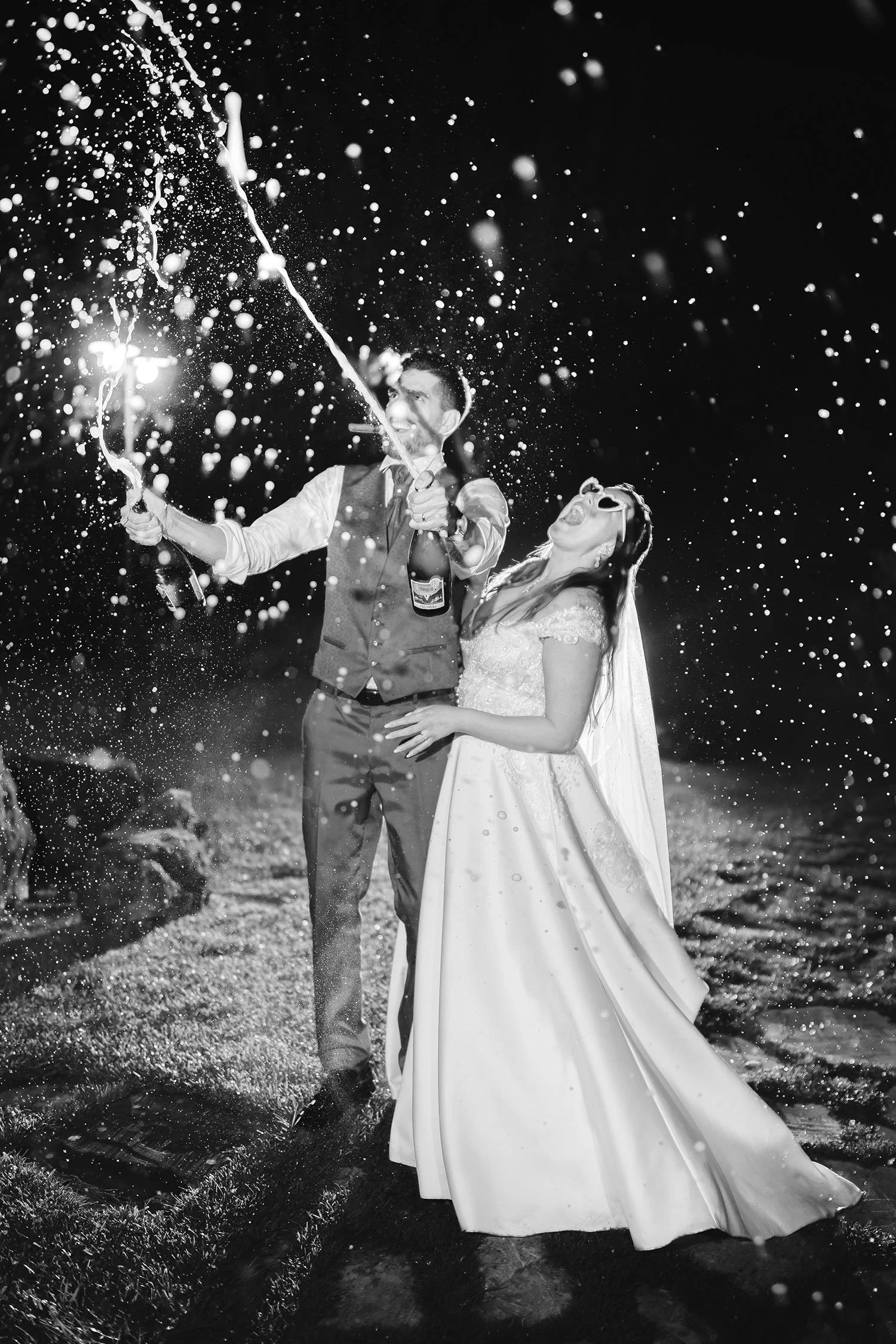
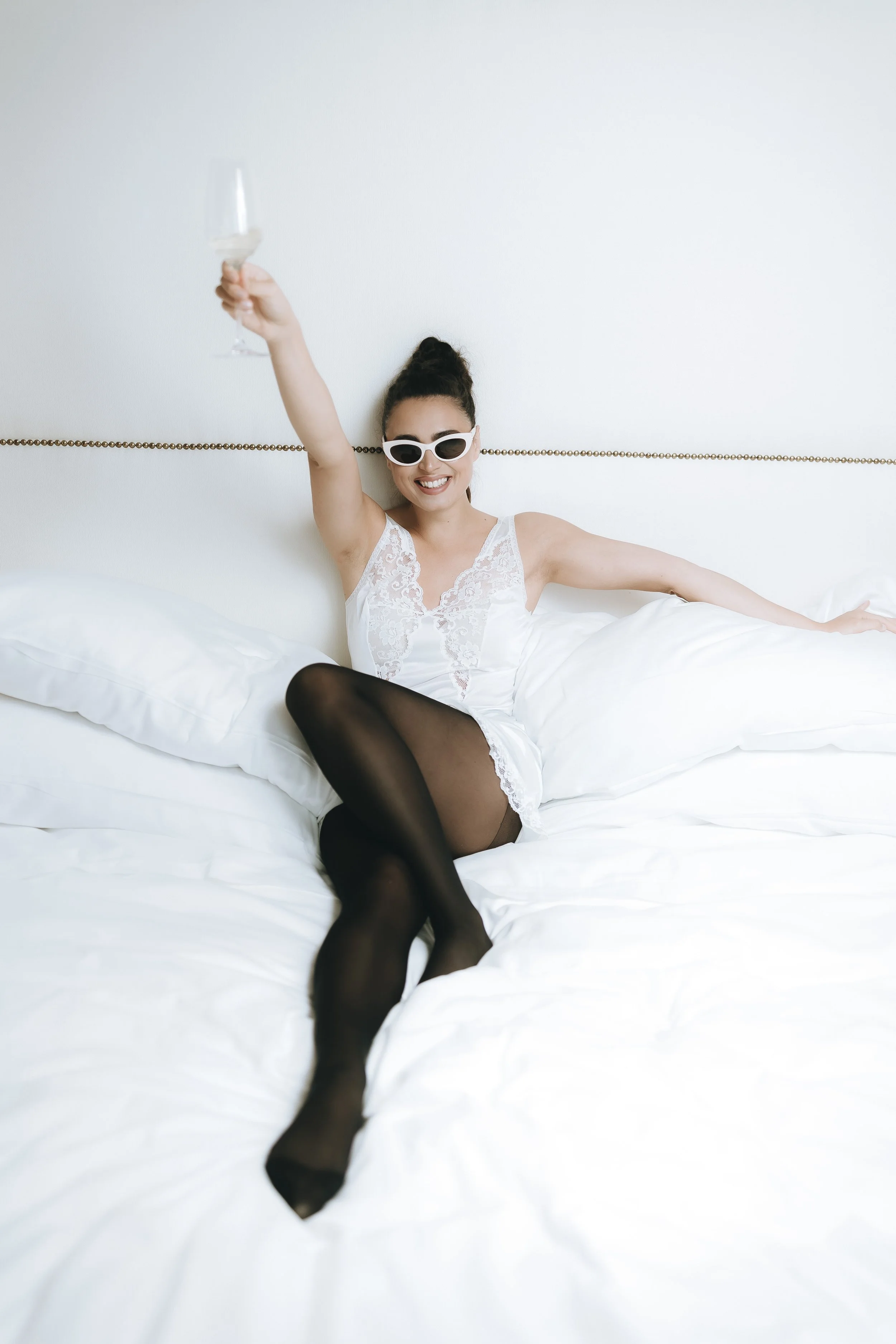
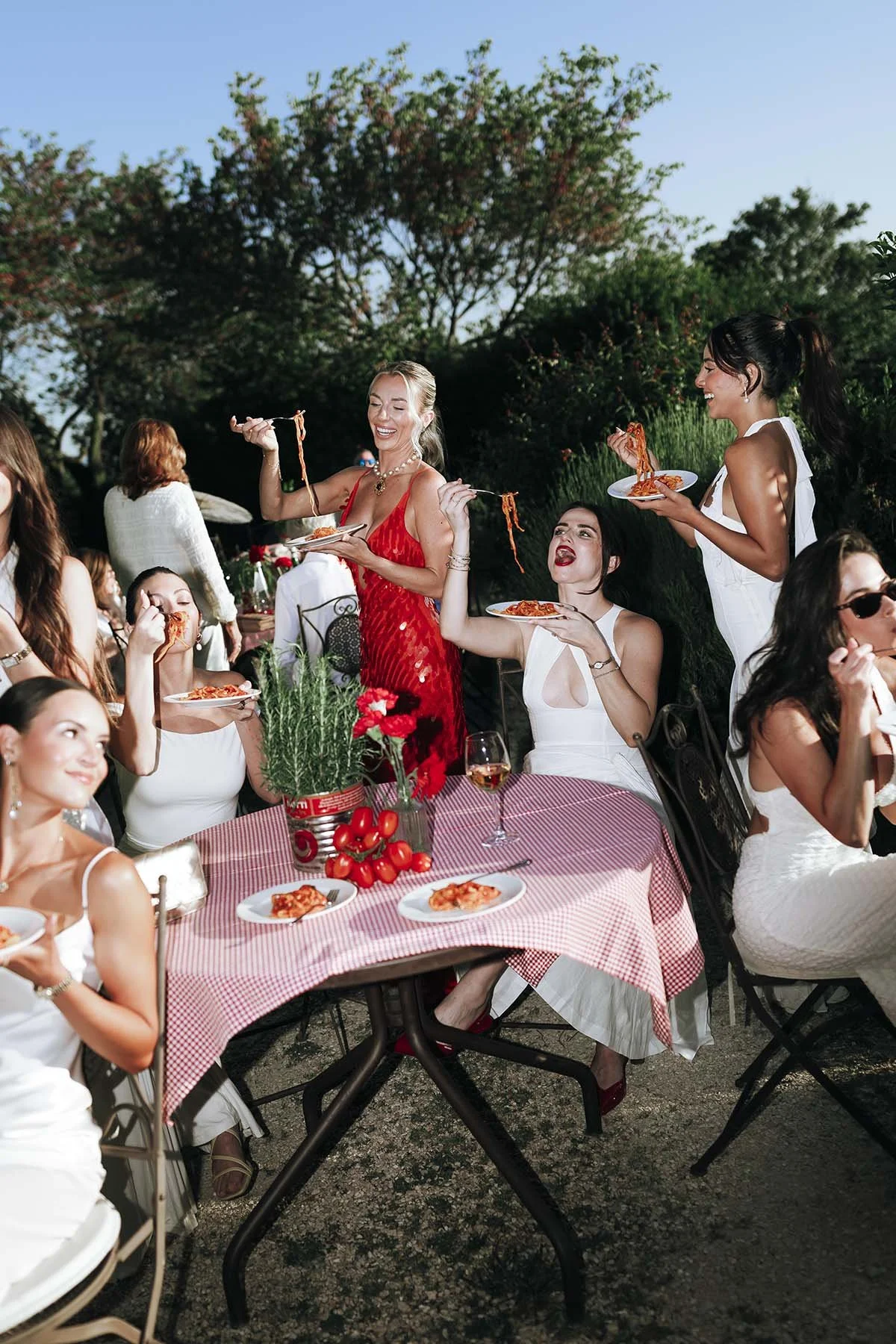
It's about the tears during a ceremony, but also the wild laughter during dinner. The unexpected hugs, the ridiculous dancing, the slightly embarrassing speeches, the nervous gestures, and the beautiful chaos of people celebrating together.
It's about happiness as much as sadness, energy as much as intimacy, and all those unpredictable moments that make a wedding genuinely personal. A documentary photographer doesn't need every image to be aesthetically perfect.
Sometimes, the photographs that matter most are the ones that make you laugh out loud twenty years later.
Or bring tears to your eyes. Not because they were beautifully constructed, but because they were real.

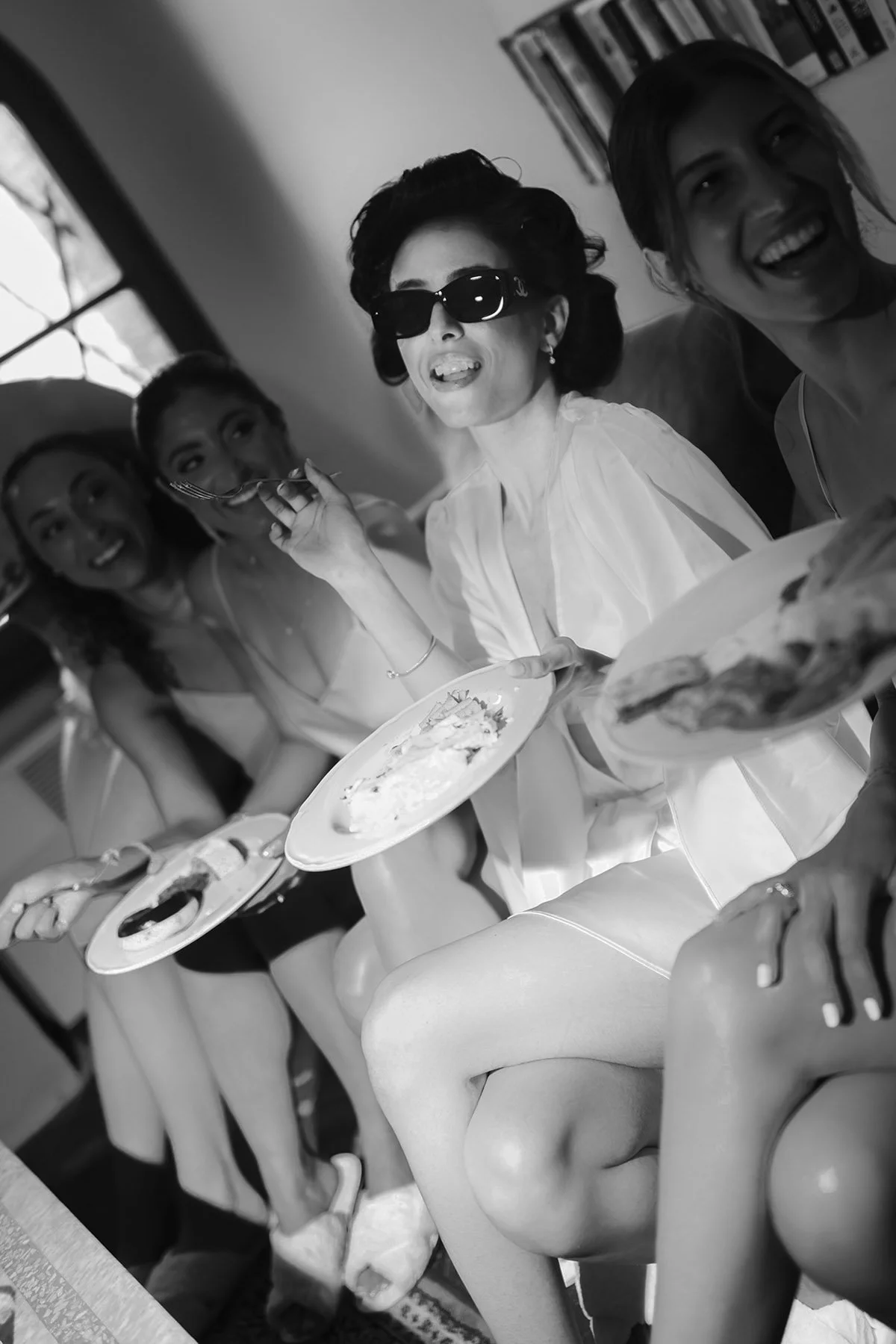
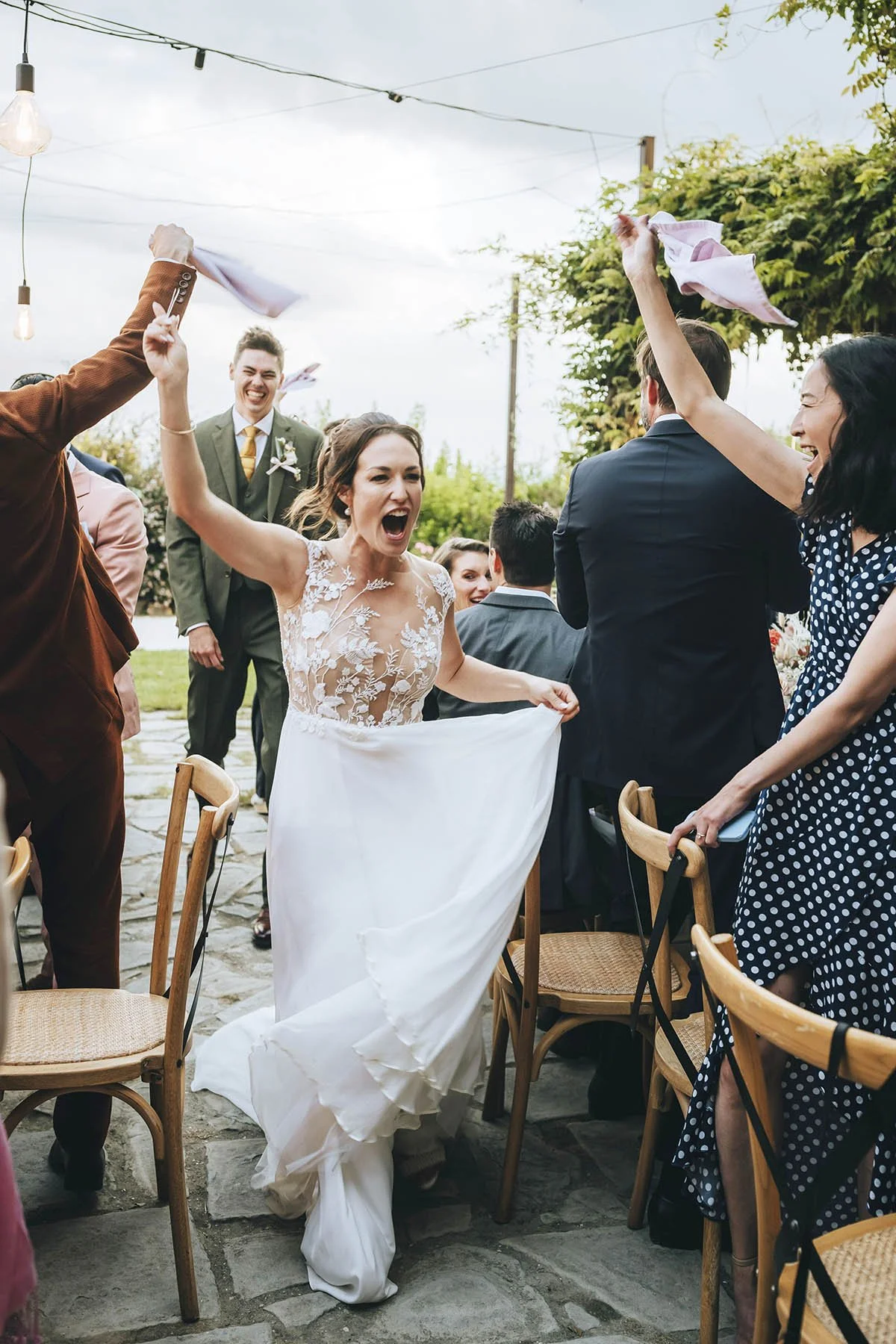
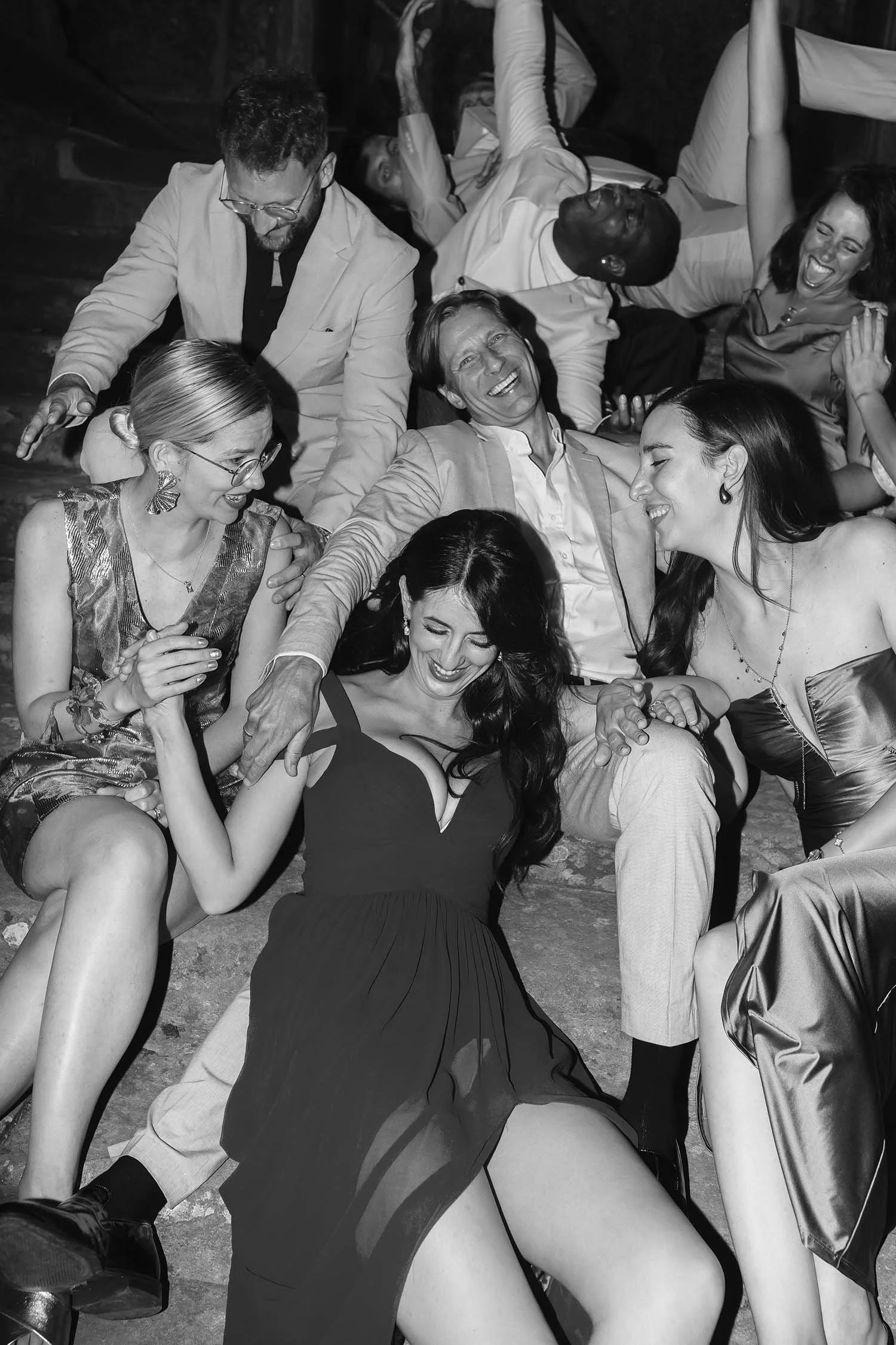
EDITORIAL photography looks for visual consistency.
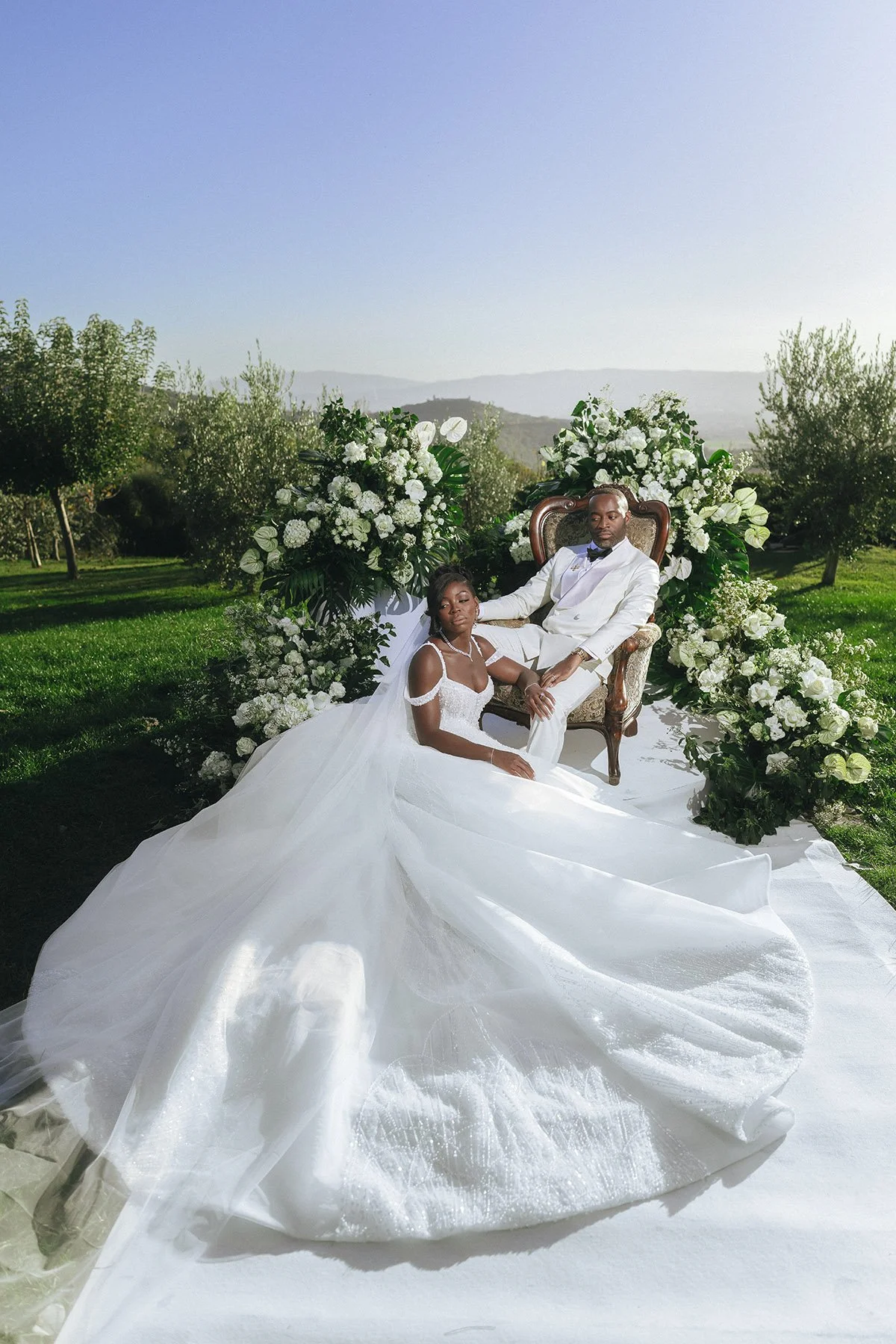
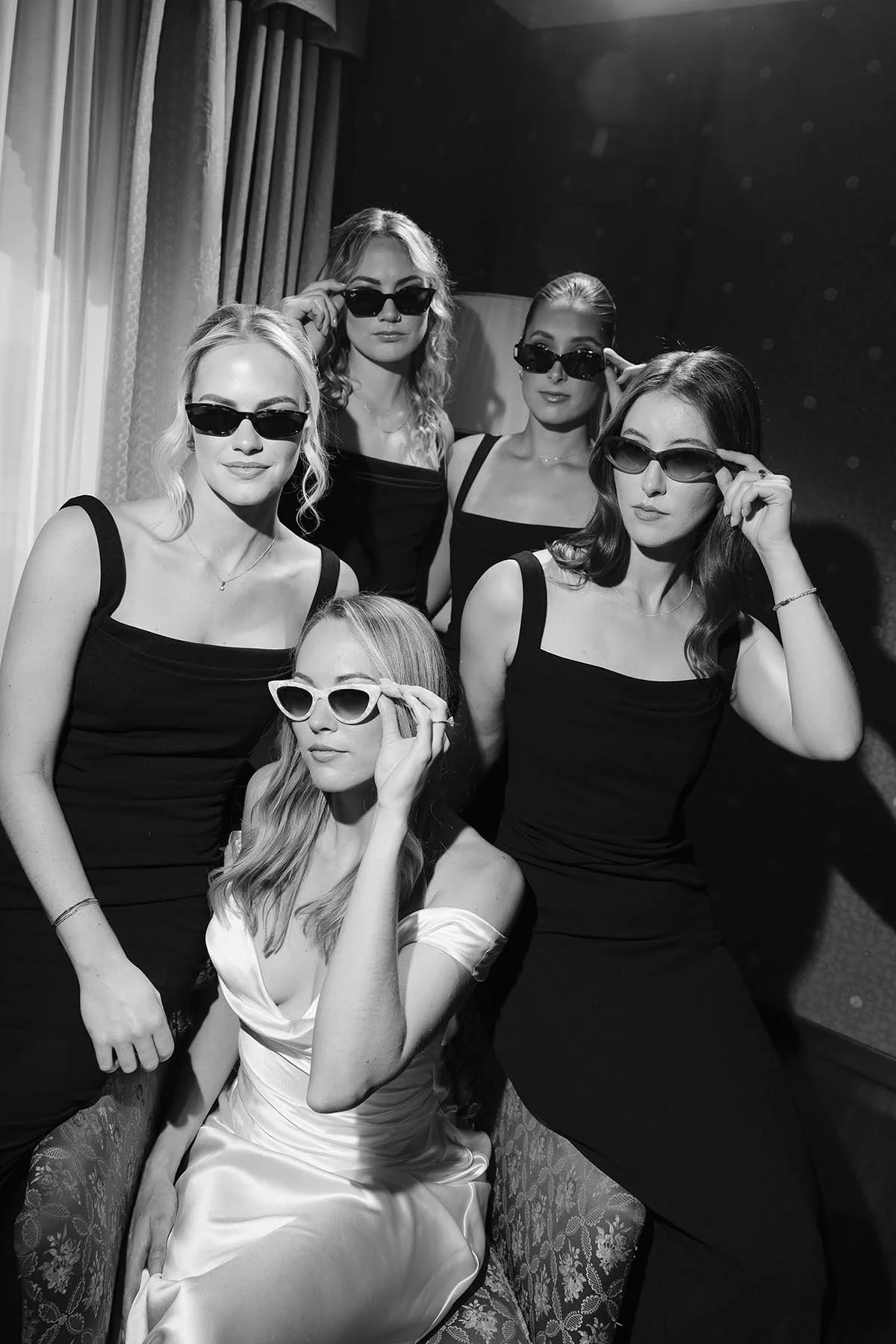
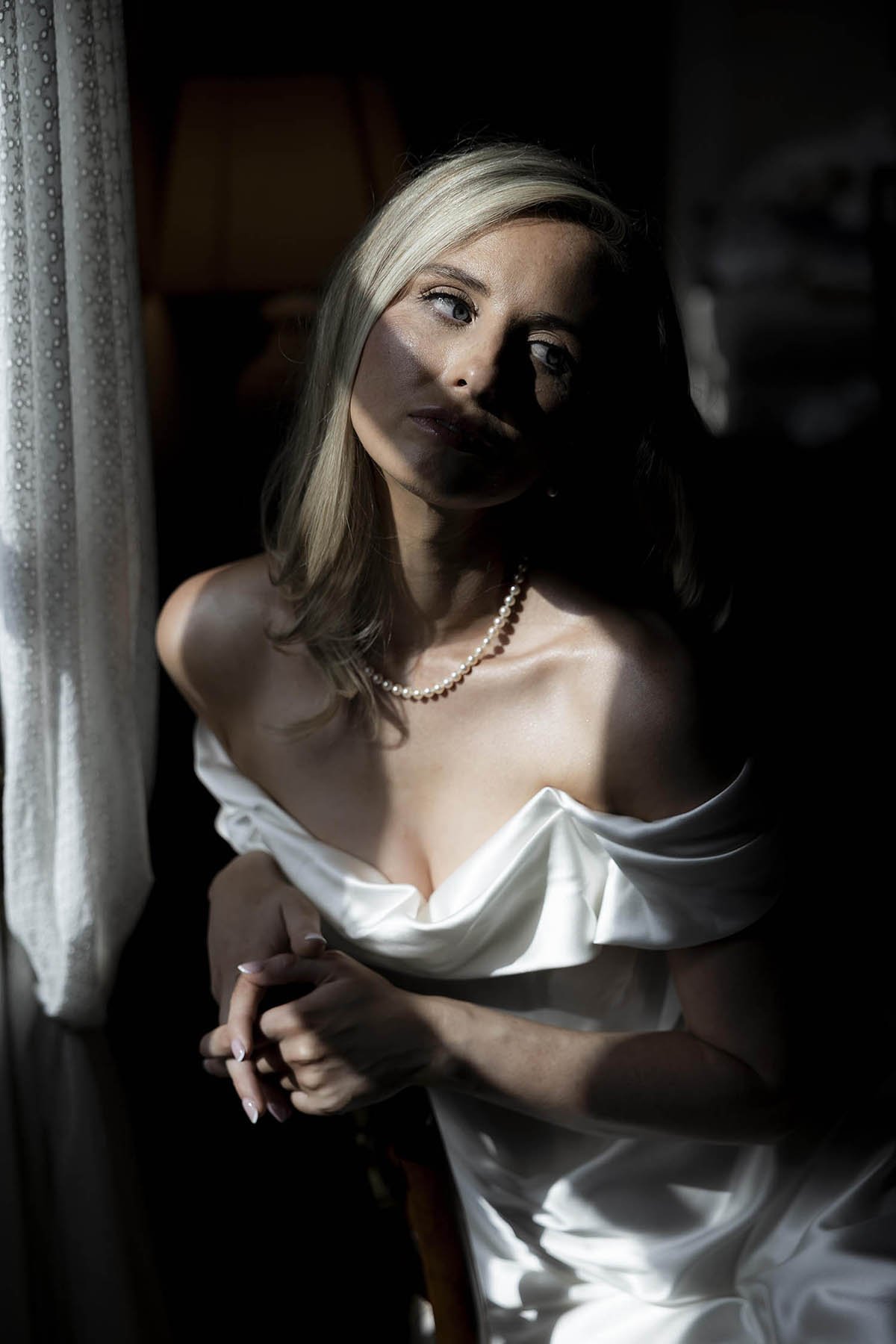
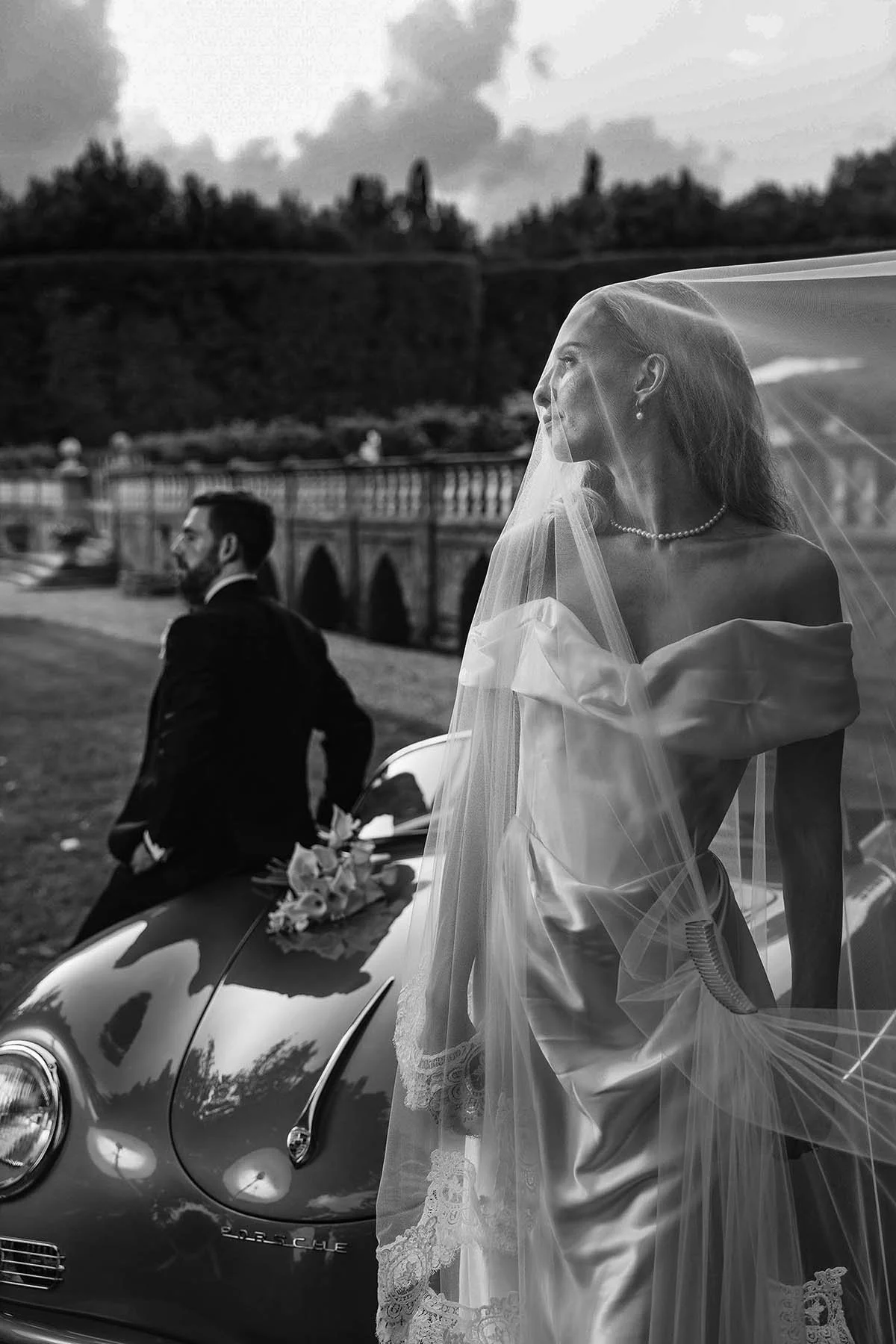
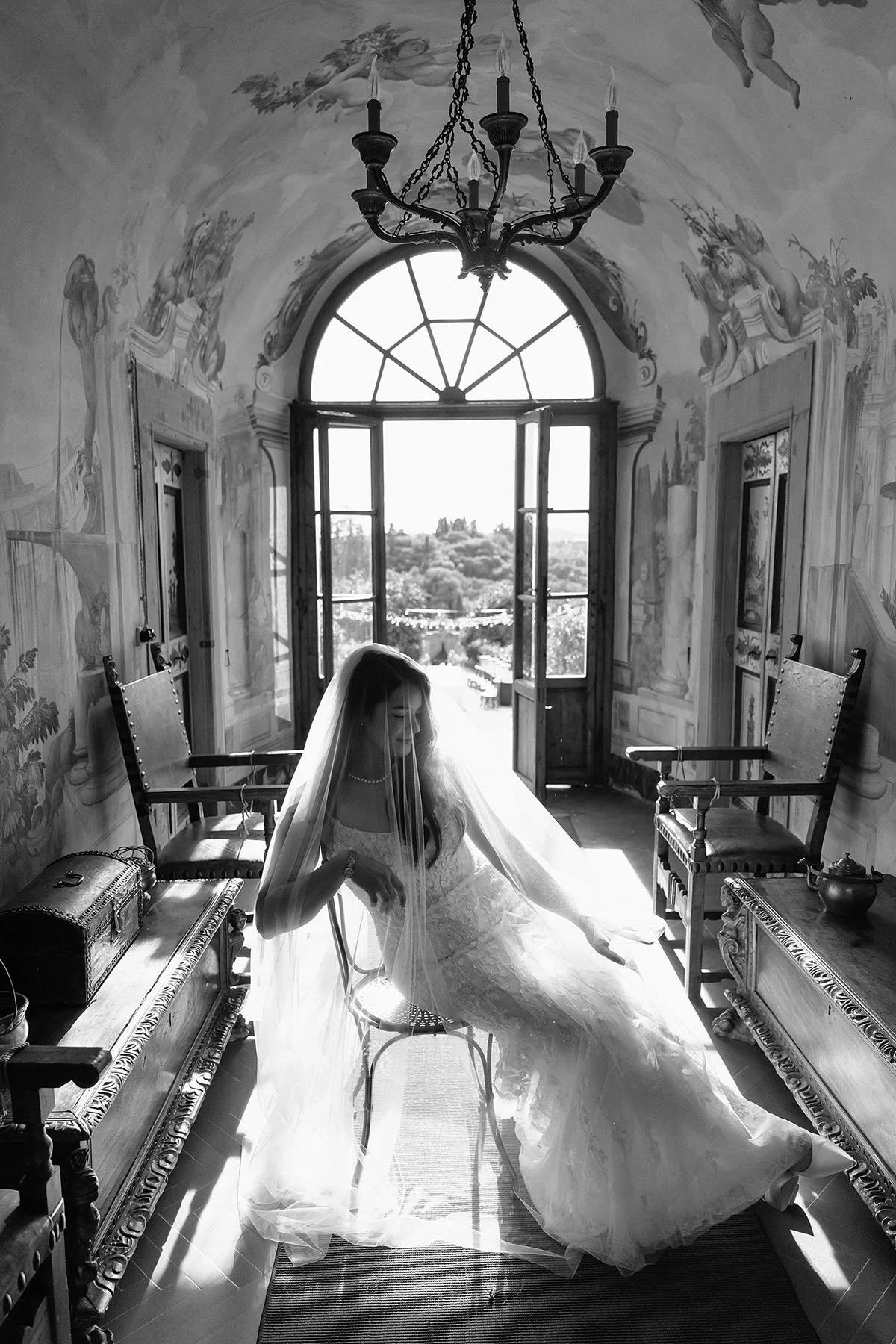
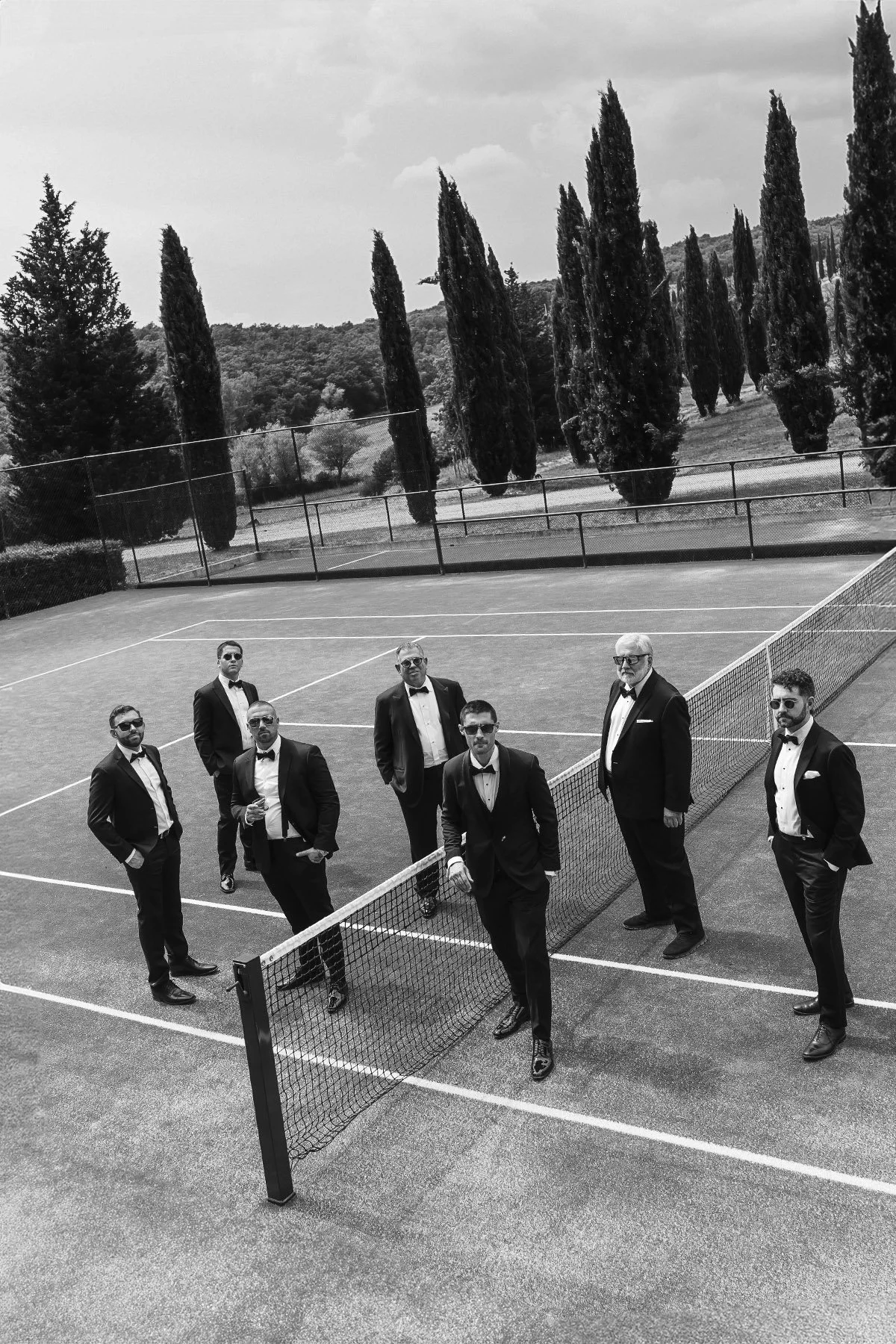
Editorial photography comes from the world of fashion, magazines, advertising, and art direction. It's a visual language built around aesthetics, composition, styling, and carefully considered storytelling. And we love it.
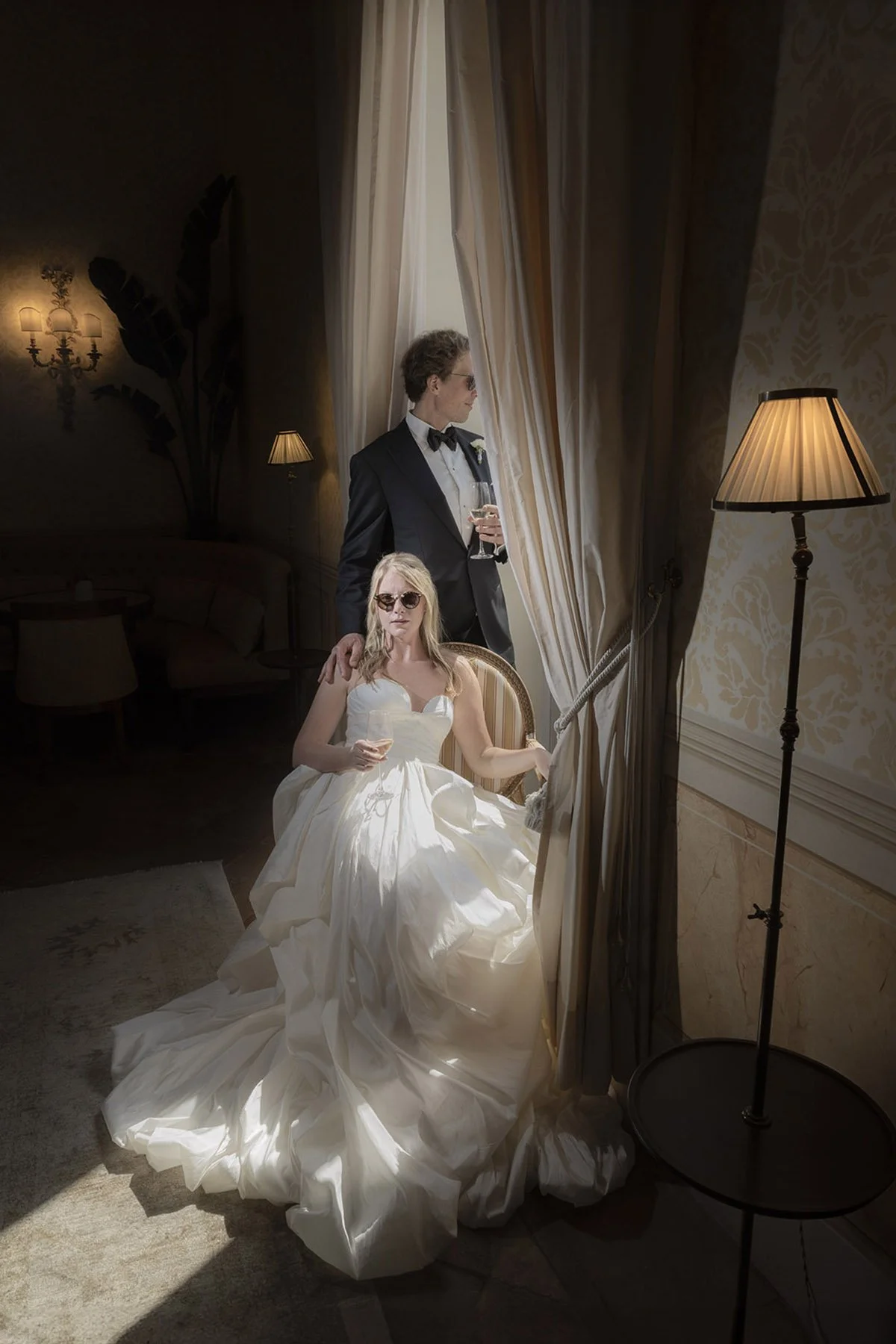
A beautifully composed editorial portrait can be extraordinary. The right light, an elegant gesture, a sophisticated background, and a strong photographic vision can transform a simple scene into something unforgettable.
But when editorial photography becomes the dominant approach to a wedding, something interesting can happen. The photographer may begin selecting moments according to how well they fit a particular aesthetic.
An uncontrolled laugh might be less desirable than a subtle, elegant smile. A spontaneous, chaotic embrace might not belong in the carefully curated visual narrative. The risk is that real emotions become secondary to visual consistency.
Documentary photography asks: "What is happening, and why does it matter?"
Editorial photography asks: "How can I make this look extraordinary?"
Both are legitimate creative questions.
But they can produce very different stories.
And we believe a wedding deserves more than a beautiful selection of moments that happen to fit a photographer's aesthetic.

02. The Time You Spend Living Your Wedding vs. Creating Photographs
“This is probably the main reason why, as wedding photographers in Italy, we’ve chosen to find our own place somewhere between these two styles, without ever fully committing to either one.”
This is probably the most important practical difference between documentary and editorial wedding photography. And strangely, it's something couples rarely discuss before booking their photographer.
Documentary photography follows the natural flow of the day.
A documentary photographer observes, anticipates, and reacts.
The story is already happening. The photographer will never ask you to repeat meaningful actions.
The emotions, the relationships, the atmosphere, the unexpected moments: everything is there, waiting to be recognised.
The photographer's responsibility is to capture these moments without unnecessarily interfering with them.
It requires constant attention, intuition, experience, and the ability to anticipate what might happen next.
But it allows couples to spend most of their wedding day doing what they came to do. Getting married. Celebrating. Being with the people they love.
Editorial photography sometimes needs to create the scene.
With a more heavily directed editorial approach, the photograph the photographer has in mind might not already exist.
It needs to be built.
The right background must be found. The light needs to be perfect. The dress might need adjusting. The pose, the expression, the composition, the movement: everything can require careful direction.
And creating a sophisticated image can take time. Sometimes a lot of time!
A ten-minute portrait session becomes thirty minutes. Another location is needed.
The results can be spectacular, but couples should understand the experience behind those photographs.
Every minute spent constructing an image is a minute taken away from experiencing the wedding.
There is nothing wrong with dedicating time to beautiful editorial portraits. We do it ourselves, and we genuinely enjoy it. But we believe those moments should fit naturally into the celebration, rather than forcing the celebration to adapt to them.
Because a wedding isn't a fashion production.
It's a real day in people's lives.
03. Whose Wedding Day Is It, Anyway?
There is a subtle difference between these two approaches that, in our opinion, explains almost everything.
For a documentary photographer, the starting point is simple:
It's the couple's wedding day. The photographer is there for them, not the other way around.
This philosophy influences every decision.
When to approach someone. When to offer guidance. When to disappear into the background. When to suggest a portrait and when to leave a beautiful moment completely untouched.
The photographer adapts to the people and to the natural rhythm of the celebration.
With a strongly directed editorial approach, that relationship can sometimes become reversed.
The photographer becomes the director.
The wedding becomes the setting for a creative vision.
Schedules, locations, and even spontaneous moments may need to accommodate the photographer's needs.
Of course, not every editorial photographer works this way, and many excellent photographers combine direction with genuine sensitivity.
But we think there's an important question every couple should ask:
Is your photographer adapting to your wedding, or is your wedding adapting to your photographer?
The answer says a lot about the experience you can expect.
04. Why Combining Documentary and Editorial Photography Is So Difficult
What if you want both?
What if you love spontaneous, authentic photographs but also want elegant portraits that could belong in Vogue?
What if you want to remember the wild laughter, the emotional speeches, and the unexpected moments, while also having beautiful, sophisticated images of yourselves?
We believe you shouldn't have to choose.
But genuinely combining documentary and editorial wedding photography is much more difficult than simply putting both words on a website.
It requires two very different photographic eyes.
One must be constantly attentive to human behaviour, relationships, and emotions. It must recognise meaningful moments before they happen and respond instinctively.
The other must understand aesthetics, architecture, fashion, composition, flattering light, and the subtle details that make an image visually extraordinary.
And the photographer needs to move between these two approaches naturally, sometimes within seconds.
One moment you're documenting an emotional embrace without interfering.
A few minutes later, you're gently directing a couple into beautiful light for an elegant portrait.
The technical skills are different. The creative mindset is different. Even the relationship with the people being photographed changes.
But the most difficult part isn't photographic at all.
It's understanding people well enough to know when to direct and when to simply let life happen.
05. The Lens Changes the Story: What You See and What You Feel
There's another interesting difference between documentary and editorial wedding photography that most couples probably never think about: the lenses photographers choose to use.
Every photographer has favourite lenses, and those choices influence much more than the technical appearance of a photograph. They affect what becomes important within the frame, how we perceive emotions, and ultimately how a story is told.
Wide-Angle Lenses: The Beauty of the Whole Picture
Editorial wedding photographers often favour wider focal lengths, especially when creating fashion-inspired images.
A wider perspective allows the photographer to include the full figure, the wedding dress, the architecture, and the surrounding environment.
And this makes perfect sense.
Couples often invest considerable time, thought, and money in their wedding outfits. The dress, the tailoring, the styling, and every little detail deserve to be photographed beautifully.
A wider composition can celebrate all of this, creating elegant images where the people and their surroundings become part of a sophisticated visual narrative.
But there is a trade-off.
When the entire figure and environment dominate the composition, faces naturally occupy a smaller part of the photograph.
And when faces become smaller, subtle expressions can lose some of their visual impact.
A tear rolling down someone's cheek, an uncontrollable laugh, or a fleeting emotional reaction might be present in the photograph, but not necessarily become its most important element.
The image might tell us beautifully what the scene looked like, without communicating quite as strongly what someone was feeling.
Telephoto Lenses: Getting Closer to Emotions
Documentary wedding photographers often appreciate longer focal lengths for a very different reason.
A telephoto lens allows us to isolate a gesture, an expression, or a spontaneous interaction, even when we're physically standing some distance away.
The surrounding distractions disappear. The composition becomes more intimate. The viewer's attention is drawn directly to the people and their emotions.
Of course, this comes with its own compromises.
A tightly framed photograph might not show the entire wedding dress, the beautiful venue, or all the carefully chosen details.
And considering how much effort and money couples sometimes invest in their outfits, those elements absolutely deserve attention too.
But when someone bursts into genuine laughter, when a parent struggles to hold back tears, or when two friends share an unexpected emotional moment, a longer lens can create something extraordinary.
You don't just see the emotion. You almost feel as though you're standing right there, experiencing it yourself.
That's one of the things we love most about documentary photography.
The ability to bring people close to a moment without interrupting it.
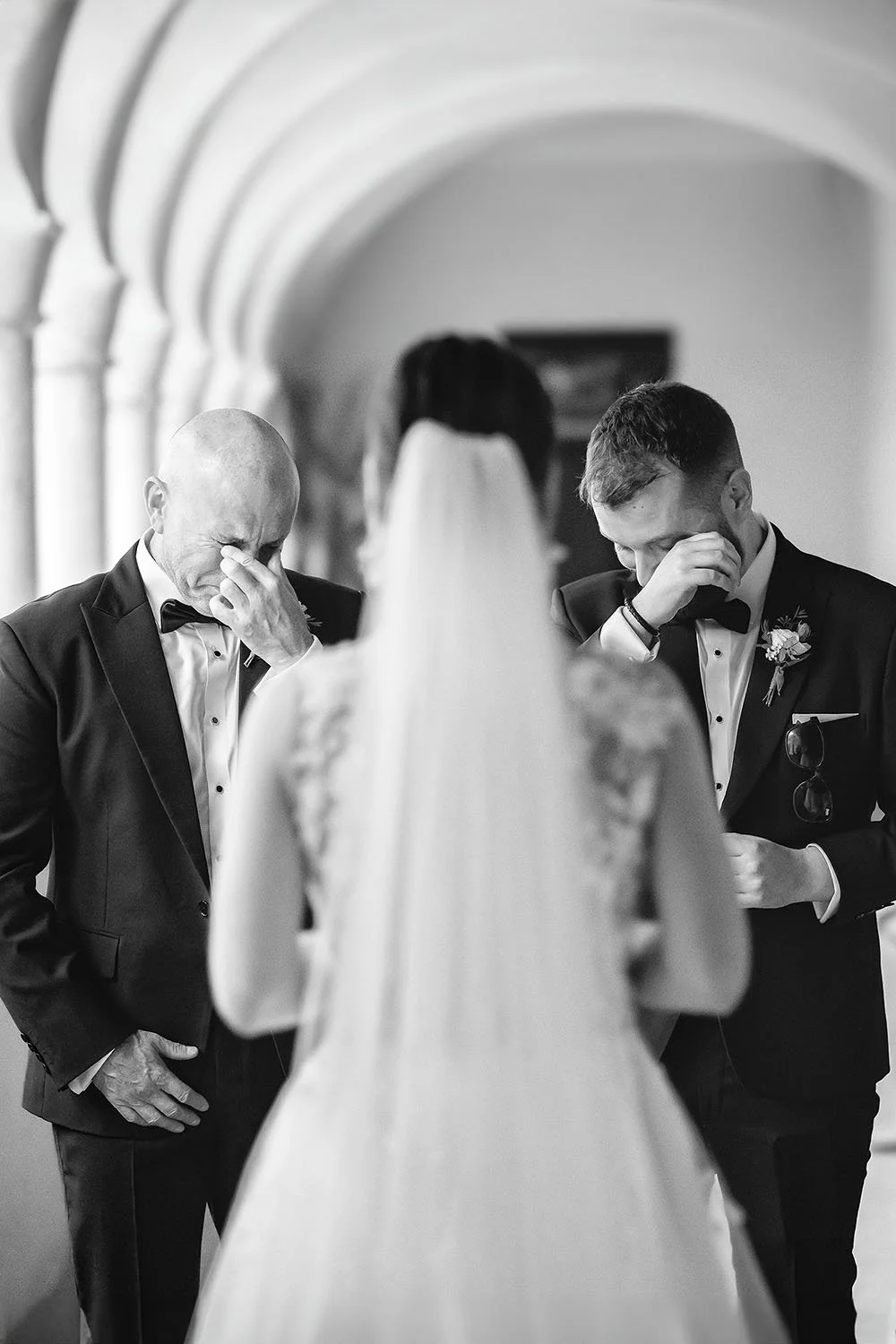
THE INTIMATE POWER OF THE TELE LENS
First look of the father and brother with the bride
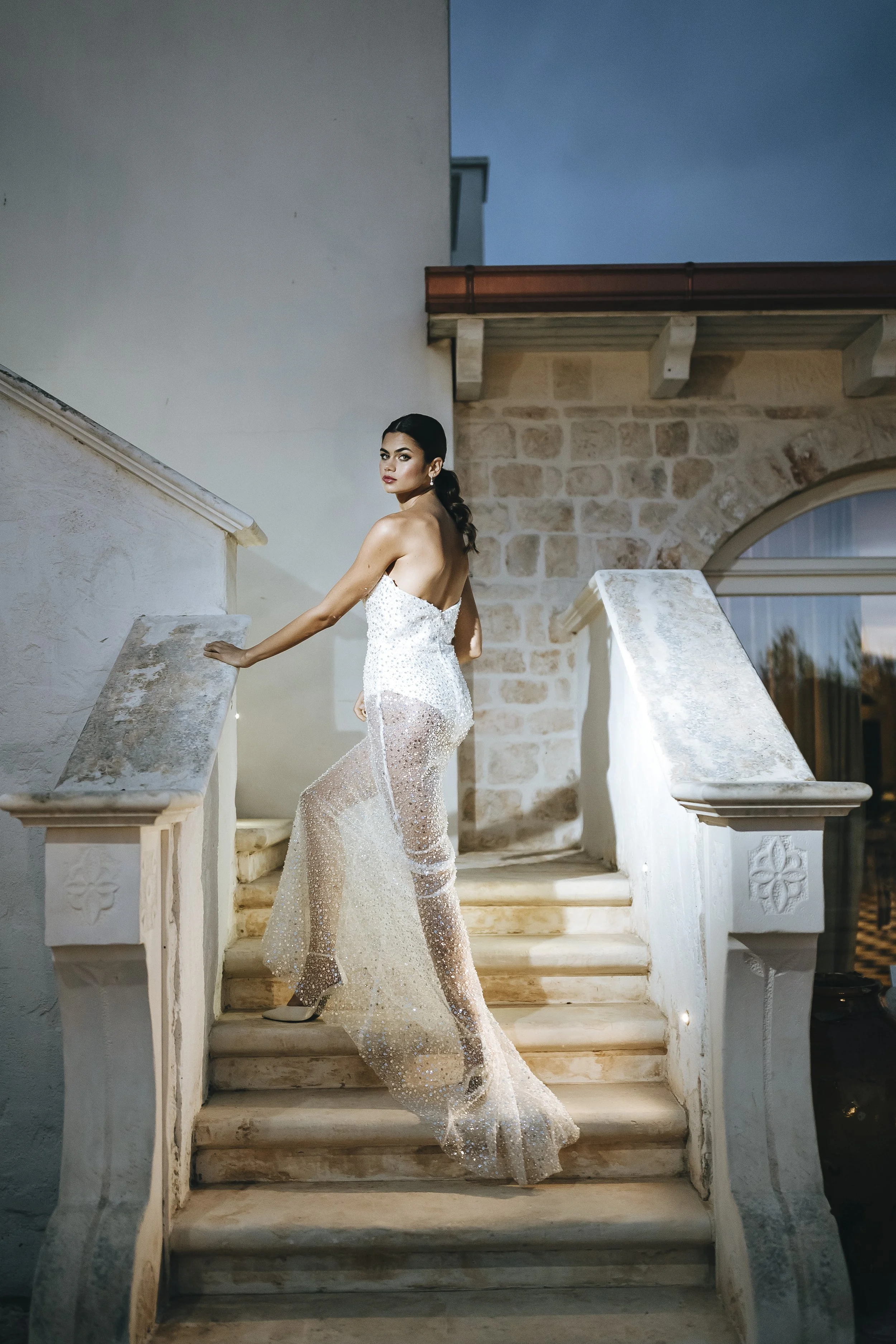
FULL FIGURE
Portrait of a bride in her party dress
The Right Lens for the Right Moment
As the old saying goes, in medio stat virtus — virtue lies in the middle. We believe this applies beautifully to wedding photography. A great wedding photographer shouldn't be limited to one way of seeing.
Sometimes a wide composition is exactly what the moment needs. The dress, the architecture, the atmosphere, and the people all contribute to the story.
Other times, everything outside a person's expression becomes secondary. Experienced photographers can move between these perspectives by working with two camera bodies and different lenses, or by using a versatile zoom lens that allows them to react quickly as situations change. But there's something much more important than the equipment.
Having the right lens doesn't mean knowing when to use it.
A photographer can own the most expensive cameras and lenses in the world and still miss the meaning of a moment.
The real skill is recognising what matters in every single frame.
Is it the beauty of the dress? The relationship between two people? The extraordinary setting? A spontaneous expression that lasts less than a second?
The answer is constantly changing throughout a wedding day.
And the photographer needs to recognise it, sometimes before it even happens.
Because ultimately, the lens determines what we can include in a photograph. But the photographer's eye determines what deserves our attention.
And that's where technical ability becomes storytelling.
YES, DOCUMENTARY AND EDITORIAL PHOTOGRAPHY CAN COEXIST
The Holy Grail of Wedding Photography: Editorial Meets Documentary
The holy grail of modern wedding photography is finding the perfect balance between editorial elegance and authentic documentary storytelling, blending the two so seamlessly that neither ever feels forced.
Over the years, we've learned that this is perhaps the most challenging approach to master, but also the most rewarding. It takes experience, sensitivity, and the ability to know when to create something beautiful and when to simply step back and let life happen.
Because the most unforgettable wedding photographs are not just about how everything looked, but how everything felt.
We believe this approach is especially meaningful for couples who value their time, their connections, and the freedom to be fully present on their wedding day.
After all, real luxury isn't about how much time you spend creating perfect photographs. It's about the quality of the time you get to live, while beautiful photographs happen around you.
06. Our Approach: People First. Always.
There is something about our approach to wedding photography that has very little to do with cameras, lenses, or photographic styles.
As human beings, we are genuinely interested in people. We love discovering their personalities, understanding their relationships, listening to their stories, and getting to know the people we work with.
And we believe this curiosity is at the heart of everything we do. When we photograph a wedding, we're not simply looking for beautiful images. We're spending an incredibly important day with two people who have invited us into their lives.
Creating a space where people can be themselves.
We want our couples to feel comfortable around us. Not just comfortable in front of the camera, but comfortable being exactly who they are. We want them to laugh without wondering whether they look elegant. To cry without feeling observed. To be silly, emotional, spontaneous, affectionate, or completely unpredictable.
We don't want anyone to feel that they need to perform for our photographs.
Quite the opposite.
Our goal is to create a safe, relaxed space where people feel free to be themselves.
Sometimes this means offering reassurance during a stressful moment. Sometimes it means helping with a small practical problem, giving a little direction, or simply making someone laugh.
Other times, it means knowing when to step away and give people their space.
We support our couples throughout the wedding day, not because it's part of a photography technique, but because we genuinely care about their experience.
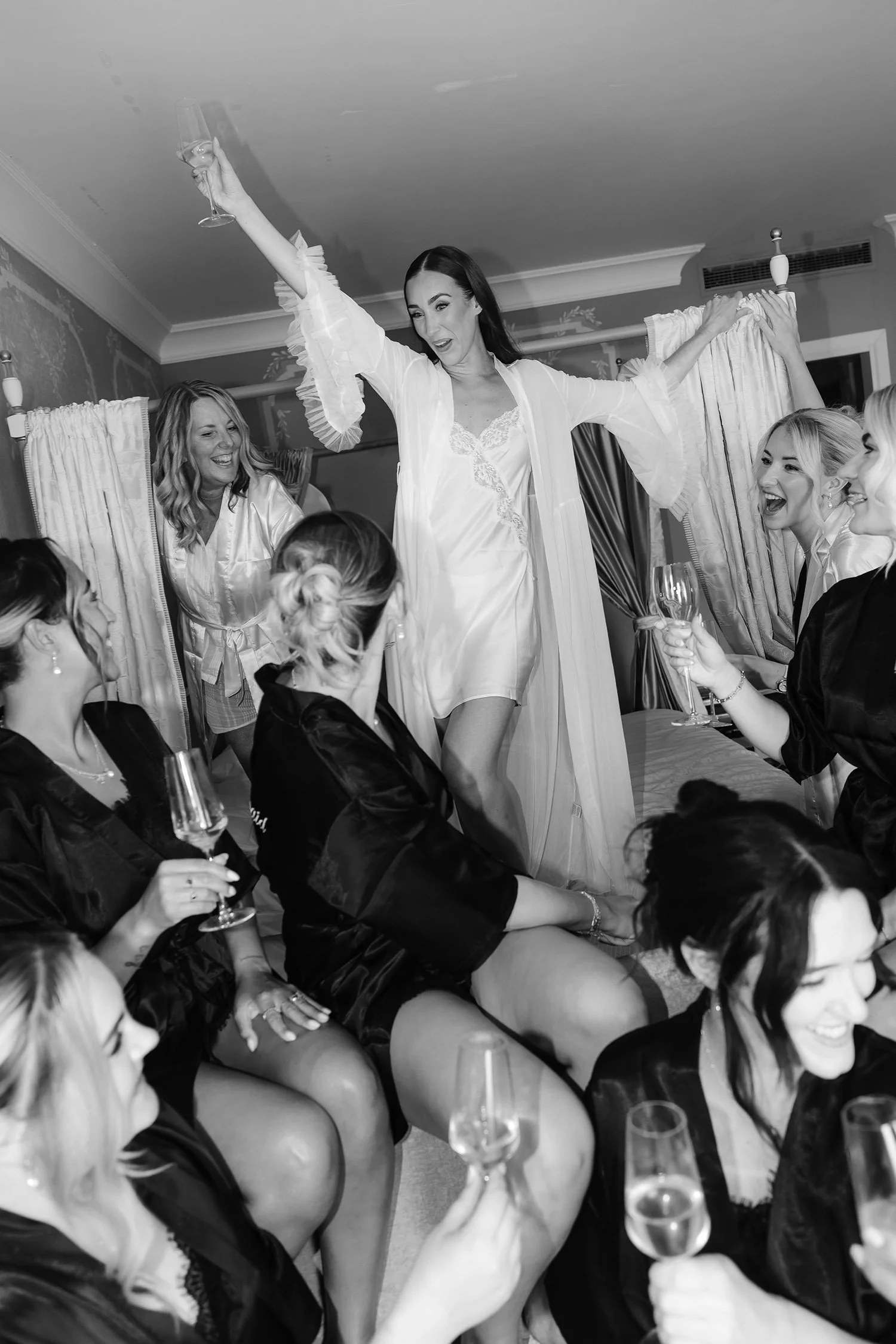
And documenting the real emotions that come from that trust is what makes us happy. The uncontrollable laughter. The tears nobody expected. The hugs that last a little longer than usual. The expressions that could never be recreated. These are the moments we love most.
Editorial photography is part of our visual culture.
Does this mean we don't care about creating beautiful, sophisticated photographs?
Absolutely not.
We love editorial photography.
Our experience in fashion, travel, and magazine photography has shaped our visual culture over many years.
We naturally look for beautiful light, interesting compositions, elegant architecture, and those little details that can turn a portrait into something extraordinary.
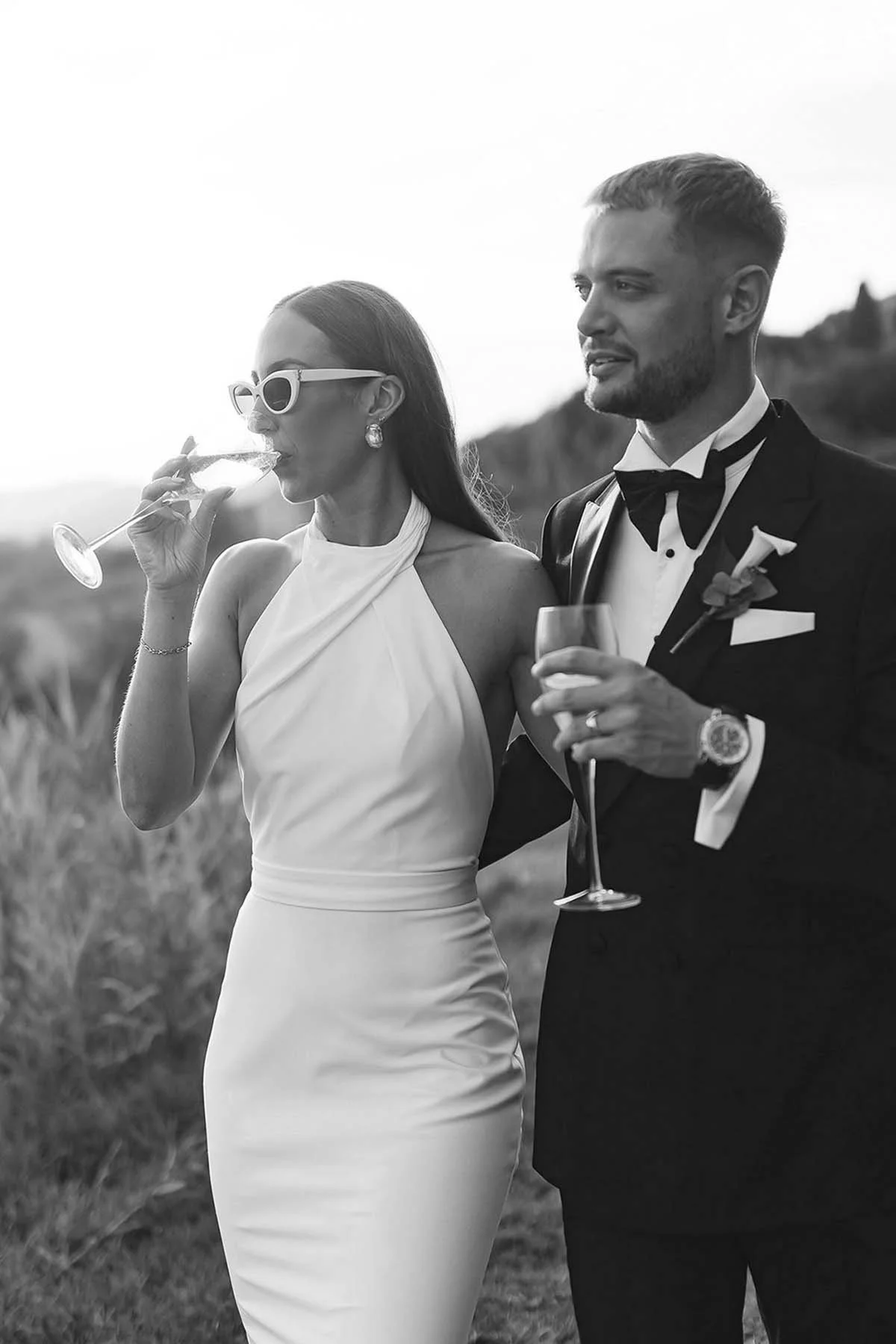
We always create editorial-inspired portraits during a wedding.
We enjoy them, we're proud of them, and we know how important they can be to our couples.
But here's what we believe:
Those beautiful editorial portraits would mean very little without the real story surrounding them.
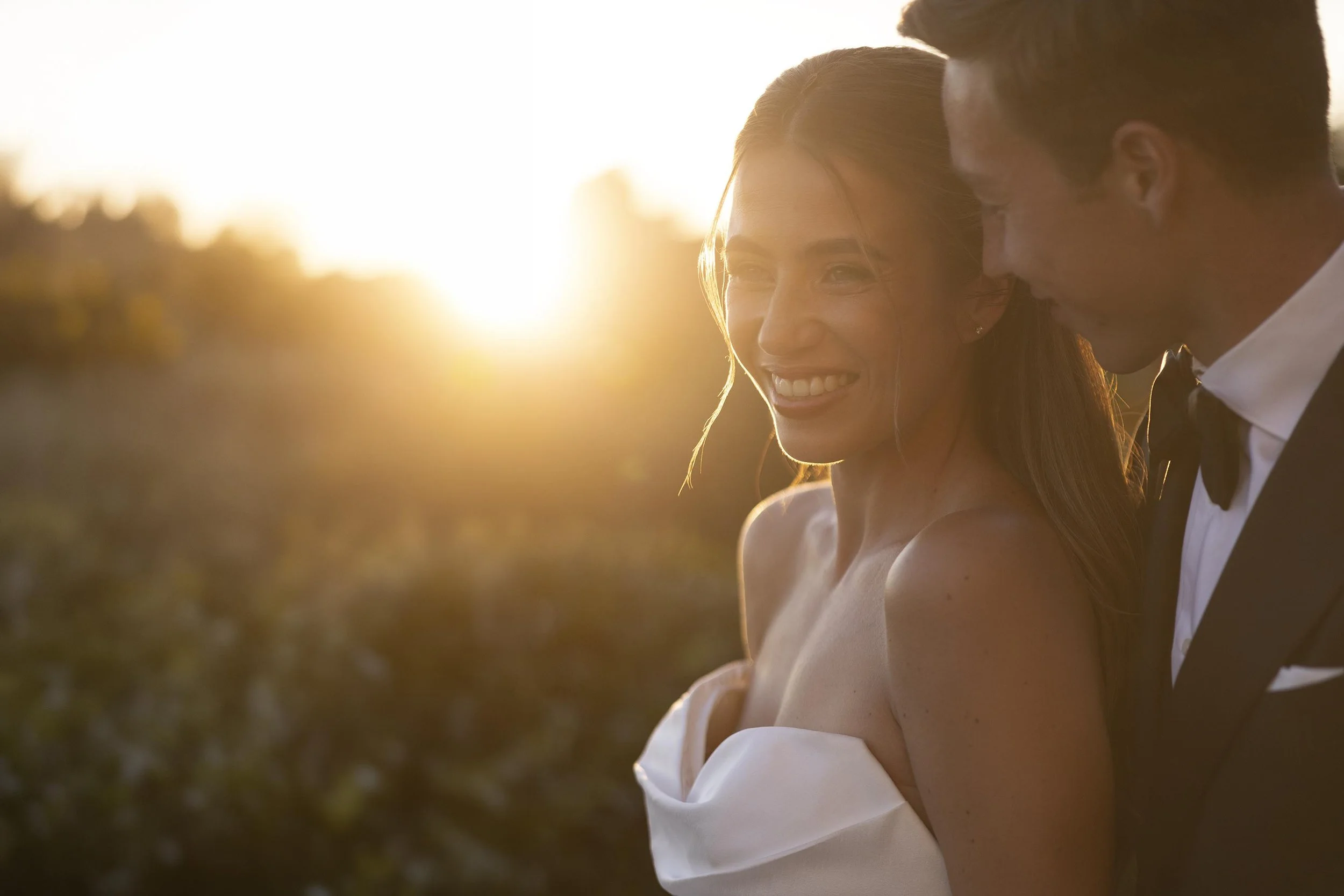
A stunning photograph of a couple standing in beautiful Tuscan light is wonderful.
But it becomes so much more meaningful when it belongs to a collection of images that also tells the story of their laughter, their families, their friends, their emotions, and everything that made that particular day theirs.
Without that context, even the most spectacular portrait risks becoming just another beautiful photograph.
And we want to create something much more personal than that.
Beautiful photographs should never come at the expense of beautiful memories.
That's why we keep our portrait sessions relatively short and carefully consider when to schedule them.
Sometimes we use the beautiful interiors of a venue during the hottest hours of the day. Sometimes we spend a few minutes with the bridal party in the late afternoon. And when possible, we love taking our couples outside for a short session in the warm light of sunset.
We guide when guidance is helpful, but we never want photography to take control of the entire celebration.
Our couples should have time to enjoy their aperitivo, talk to their guests, laugh with their friends, and experience everything they've spent months planning.
After all, the best photographs often happen when people stop thinking about being photographed.
And we would never want to miss those moments because we were too busy trying to create another perfect portrait.
How Do You Know If a Wedding Photographer Is Right for You?
It's simple: jump on a call and ask how much time they usually dedicate to couple portraits.
The best answer? "It depends. Let's figure it out together."
An experienced wedding photographer should be able to create beautiful, meaningful portraits in two minutes or thirty. What really matters is their ability to adapt to your vision, your priorities, and the way you want to experience your wedding day. Photography should fit naturally into your celebration, not the other way around.
But there's another important question worth asking: will your photographer document the entire story, or will their attention be focused almost exclusively on you as a couple?
Remember, a wedding is not (just) a photoshoot. It's one of the most meaningful shared experiences of your life. It's about the people who came to celebrate with you, the unexpected reactions, the laughter, the tears, and all those little moments happening when you're not looking.
Take a closer look at the photographer's portfolio. Is it mostly beautiful couple portraits, or can you also find genuine emotions, family connections, and spontaneous moments involving friends and guests?
Ask how they approach documenting everyone else throughout the day, not just the two of you.
Because years from now, you'll want to remember not only how incredible you looked, but also how it felt to be surrounded by the people you love.
07. The Unwritten Rules of a Great Wedding Photographer
The Best Wedding Photography Should Tell Your Story, Not the Photographer's.
When choosing a wedding photographer, we encourage couples to look beyond the beautiful images on Instagram.
Ask how the photographer works.
Ask how much time they typically dedicate to portraits. Ask how they approach spontaneous moments. Ask whether they adapt to the natural flow of the day or prefer to direct it.
And most importantly, ask yourselves what you want to remember.
Of course, you want to look beautiful.
You deserve elegant, sophisticated photographs that make you feel extraordinary.
But twenty years from now, you'll probably also want to remember the way your father looked at you, the ridiculous joke your best friend made, the uncontrollable laughter during dinner, and the feeling of being surrounded by everyone you love.
For us, this is the real beauty of wedding photography.
Documentary photography gives your memories their truth. Editorial photography gives them another layer of visual beauty.
When these two approaches genuinely work together, the result can be something very special.
A collection of photographs that looks beautiful today but becomes even more meaningful with time.
Because the real goal isn't to make your wedding look like it belongs in a magazine.
It's to tell your story so beautifully, and so authentically, that you'll never forget what it felt like to live it.
— Maurizio & Serena
Rellini Art Studio
